
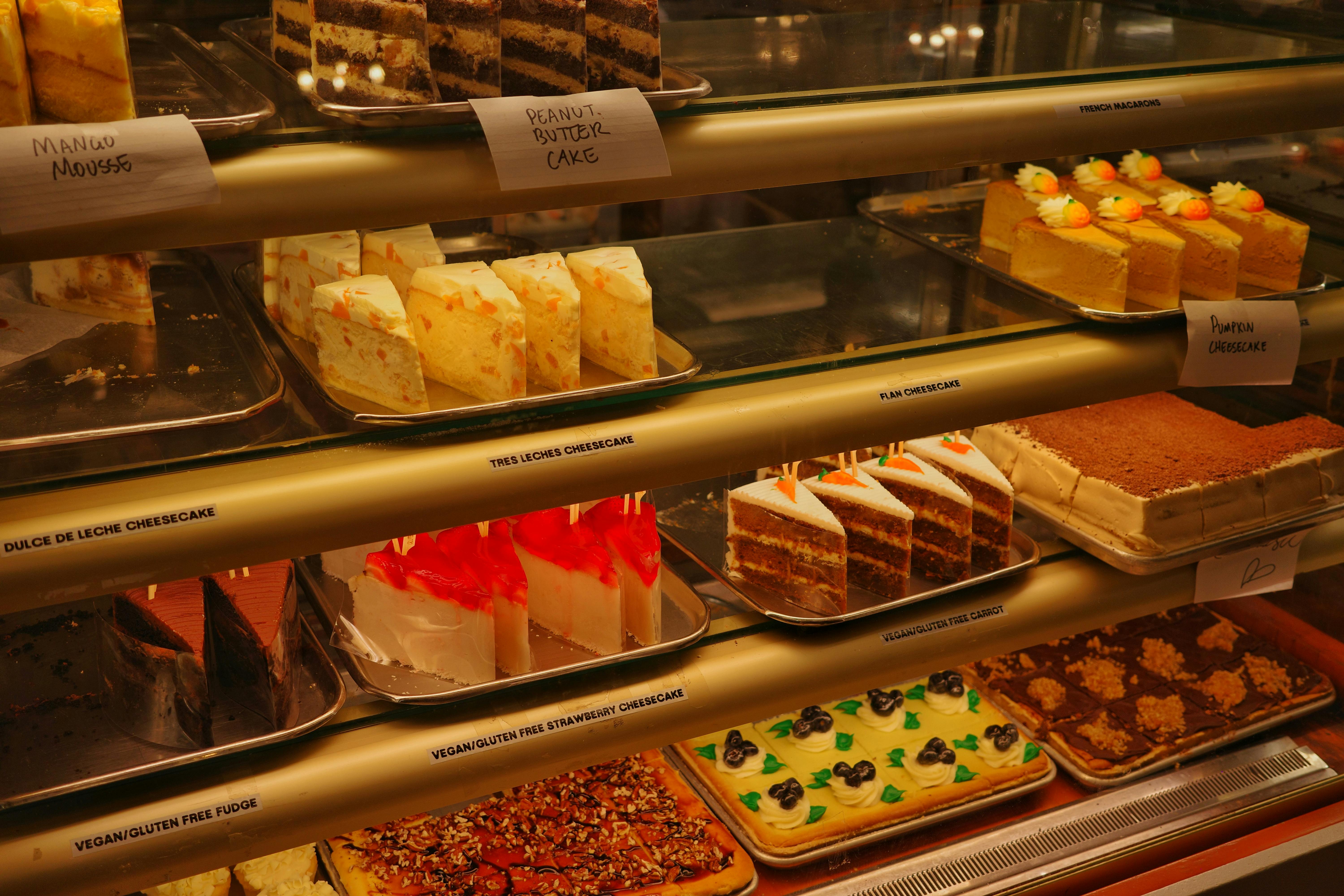


The holiday season brings families together across Latino communities, where kitchens fill with the warm aromas of traditional sweets that have been passed down through generations. From crispy buñuelos dusted with cinnamon sugar to the ceremonial Rosca de Reyes, these beloved desserts represent cultural heritage, family traditions, and the continuation of Hispanic Christmas sweets in American communities.
Throughout the United States, Latino families preserve their ancestral customs by preparing these time-honored desserts, which connect them to their roots while creating new memories for American-born generations. These traditional sweets serve as bridges between the old world and the new, allowing families to celebrate the influence of Latin cuisine in the US while adapting to their current communities.
Buñuelos: The Golden Crispy Tradition
Buñuelos stand as one of the most cherished Hispanic Christmas sweets found in households across the American Southwest and beyond. These paper-thin, crispy fritters require skill and patience to create, making them a special treat reserved for the most important celebrations of the year.
Traditional Preparation Methods
The art of making buñuelos involves creating an elastic dough from simple ingredients: flour, eggs, butter, sugar, and a pinch of salt. The magic happens during the stretching process, where experienced hands work the dough until it becomes translucent enough to read through. This technique, passed down through Mexican-American holiday traditions, requires practice and often becomes a multi-generational activity where grandmothers teach daughters and granddaughters.
Key preparation steps include:
- Mixing the dough and allowing it to rest for proper gluten development
- Dividing into small portions and rolling into balls
- Stretching each portion by hand until paper-thin
- Frying in hot oil until golden and crispy
- Dusting with cinnamon sugar or drizzling with piloncillo syrup
Regional Variations Across Latino Communities
Different Latino communities throughout the United States have adapted buñuelos recipes to reflect their specific regional traditions. Mexican-American families often prepare them flat and large, while Colombian and Venezuelan communities may shape them into small, puffy balls. Some families add anise for extra flavor, while others incorporate orange zest for a citrusy twist.
The Latino desserts landscape showcases these variations beautifully, with local bakeries and restaurants often specializing in their family's particular style. This diversity reflects the rich tapestry of Latino communities that have made America their home while maintaining their distinct cultural identities.
Rosca de Reyes: The Crown Jewel of Epiphany
The Rosca de Reyes, or Three Kings Bread, holds special significance in Mexican-American holiday celebrations as families gather on January 6th to commemorate the arrival of the Magi. This ornate, ring-shaped sweet bread adorned with candied fruits represents the crowns of the three wise men and contains hidden plastic baby figurines that determine who will host the next celebration.
Cultural Significance and Traditions
This beloved dessert serves multiple purposes within Latino communities across the United States. Beyond its religious significance, the Rosca de Reyes creates opportunities for building community one celebration at a time, bringing extended families and friends together for an evening of sharing, laughter, and tradition.
Traditional customs include:
- Gathering family and friends for the cutting ceremony
- Each person cuts their own slice
- The person who finds the figurine hosting the next party or bringing tamales on Candlemas Day
- Sharing hot chocolate or coffee alongside the sweet bread
- Incorporating prayers and blessings into the celebration
Modern Adaptations in American Latino Communities
Contemporary Latino families have adapted Rosca de Reyes traditions to fit their American lifestyles while maintaining the essence of the celebration. Many families now purchase their rosca from local Latino bakeries, supporting local Latin businesses while ensuring authentic flavors and proper preparation techniques.
The bread itself has evolved in some communities, with bakers incorporating local ingredients or creating variations that appeal to diverse palates. Some add cream cheese fillings, while others experiment with different fruit combinations, always maintaining the traditional ring shape and hidden figurines that make the celebration special.
Tres Leches Cake: The Creamy Celebration Centerpiece
No discussion of Hispanic Christmas sweets would be complete without mentioning the beloved tres leches cake. This sponge cake is soaked in three types of milk: evaporated milk, condensed milk, and heavy cream. It has become a staple dessert for holiday celebrations throughout Latino communities in the United States.
Perfecting the Three-Milk Soak
The secret to exceptional tres leches cake lies in achieving the perfect balance of moisture without creating a soggy texture. The sponge cake must be light and airy enough to absorb the milk mixture while maintaining its structural integrity. Many families have perfected their own ratios over generations, creating signature versions that become requested favorites at holiday gatherings.
Essential techniques include:
- Creating a light, airy sponge cake base
- Poking holes throughout the cake for even milk absorption
- Allowing adequate time for the milk mixture to penetrate
- Refrigerating overnight for optimal texture development
- Topping with sweetened whipped cream and cinnamon
Holiday Variations and Festive Additions
During the Christmas season, many Latino families enhance their tres leches cakes with festive elements that reflect enduring Hispanic heritage traditions. These might include rum or brandy in the milk mixture, seasonal spices such as nutmeg and cloves, or decorative elements like candied fruits, toasted coconut, or chocolate shavings.
Some regions add their own special touches: Mexican families might incorporate cajeta (goat milk caramel), while Puerto Rican families may add rum and coconut. These variations demonstrate how traditional desserts evolve within different Latino communities while maintaining their essential character and cultural significance.
Other Beloved Holiday Sweets
The world of Latino desserts extends far beyond these three classics, encompassing a rich variety of regional specialties that grace holiday tables throughout the season. Each dessert carries its own story and significance, contributing to the diverse landscape of Hispanic holiday traditions.
Flan and Seasonal Custards
Flan remains a constant presence at Latino holiday celebrations, often enhanced with seasonal flavors during Christmas time. Traditional vanilla flan might be elevated with rum, coconut, or even pumpkin during the holidays. The caramel sauce that defines this dessert assumes special significance during celebrations, symbolizing the golden blessings of the season.
Many families prepare large batches of flan for holiday parties, while others create individual portions to give as gifts to neighbors and friends. The process of making flan becomes a meditative practice for many cooks, requiring patience and attention to detail that reflects the care put into holiday preparations.
Regional Specialties and Family Treasures
Throughout different Latino communities, unique desserts emerge during the holiday season that reflect specific regional traditions. Churros filled with dulce de leche, empanadas dulces filled with sweet potatoes or pumpkin, and polvorones (Mexican wedding cookies) all find their place on holiday dessert tables.
These sweets often represent family recipes that have traveled across borders and generations, adapting to available ingredients while maintaining their essential character. The preparation of these desserts becomes an opportunity for families to share stories, teach techniques, and ensure that a taste of Mexico's diverse culinary traditions continues to flourish in American communities.
Sweet Beverages and Accompaniments
Latino celebrations often pair these sweet treats with traditional holiday beverages that complete the cultural experience. Hot chocolate prepared with cinnamon and vanilla, café de olla with brown sugar and spices, and ponche navideño (Christmas punch) with fruits and spices all complement the rich flavors of traditional desserts. The preparation and serving of these drinks often involve their own set of traditions and customs that enhance the overall celebration.
Preserving Sweet Cultural Heritage
The tradition of preparing Latino Christmas desserts in American communities is a culinary custom that embodies the preservation of cultural identity, the strengthening of family bonds, and the continuation of ancestral wisdom. From the delicate artistry required for perfect buñuelos to the communal joy of sharing Rosca de Reyes, these Hispanic Christmas treats create bridges between generations and cultures, enriching the American holiday landscape.
These cherished desserts serve as tangible connections to heritage, allowing Latino families throughout the United States to maintain their cultural roots while building new traditions in their adopted communities. As each family adapts recipes and customs to their current circumstances, they contribute to the evolving story of Latino culture in America, ensuring that these sweet traditions continue to flourish for future generations.
Visit United Tribes today and discover more about Latino culture and community celebrations that bring these cherished traditions to life throughout the year.


