

As spring 2026 unfolds across the United States, Latino communities are transforming the season into a vibrant canvas of artistic expression. From the sun-soaked streets of Los Angeles to the bustling neighborhoods of New York, Latino art and music are experiencing an unprecedented renaissance that celebrates both traditional heritage and contemporary innovation, showcasing the diversity within Latino culture itself.
The Mural Renaissance: Transforming Urban Landscapes
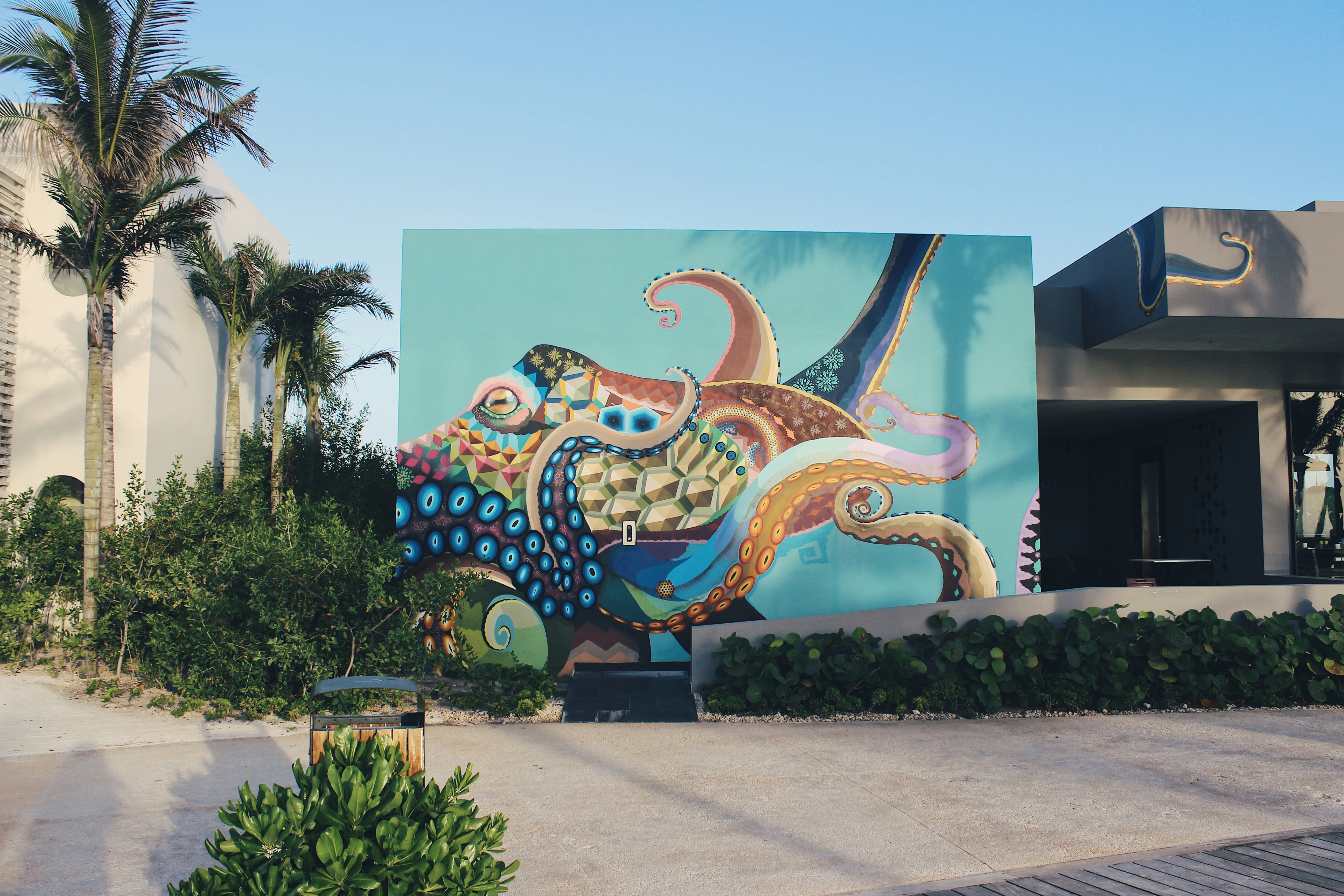
Latino public art is experiencing a transformative moment in spring 2026, with mural projects emerging as powerful statements of community pride and cultural storytelling. Cities like Phoenix, Miami, and Chicago are witnessing unprecedented collaborations between established muralists and emerging artists who are reimagining public spaces as galleries for Latino heritage.

Welcome to United Tribes
Where Mexican Culture Comes Alive
Join Your Tribe
Connect with your people
Discover Events
Watch parties & festivals
Find Mexican Businesses
Restaurants, markets & more
Earn Crown Credits
Get rewarded for engaging
Neighborhood Transformation Through Art has become a defining characteristic of this movement. Local business districts in predominantly Latino areas are partnering with artists to create cohesive visual narratives that span entire city blocks. Artists are incorporating augmented reality elements, weather-responsive materials, and interactive components that allow community members to contribute their own stories to larger mural narratives. This technological integration ensures that traditional mural art remains relevant and engaging for younger generations while maintaining deep connections to cultural roots.
Music as Cultural Bridge and Community Voice
The musical landscape of Latino communities in spring 2026 showcases an extraordinary fusion of traditional genres with contemporary sounds, creating new forms of cultural expression that resonate across generations. Latino art and music 2026 is characterized by innovative collaborations that honor ancestral musical traditions while embracing modern production techniques and cross-cultural influences.
Outdoor Performance Spaces have become central to community cultural life. Neighborhoods are transforming parks, parking lots, and unused commercial spaces into venues for regular musical showcases. These are community gathering spaces where established musicians perform alongside emerging artists, fostering mentorship and musical innovation.
The diversity of musical styles reflects the complexity of Latino identity in America. Mariachi ensembles perform alongside reggaeton artists, while traditional folk musicians collaborate with hip-hop producers to create entirely new musical categories.
Community Music Education Initiatives
Spring 2026 has seen remarkable growth in community-based music education programs that serve multiple purposes within Latino neighborhoods. These programs serve as cultural preservation efforts, youth development initiatives, and community-building tools, strengthening neighborhood connections.
Intergenerational music workshops have become particularly popular, with grandparents teaching traditional songs to younger family members while learning about contemporary music production techniques. These programs create spaces where cultural knowledge flows in multiple directions, ensuring that traditional musical heritage remains vibrant and relevant while embracing innovation and change.
The influence of Latin culture extends beyond music to encompass comprehensive cultural education, including dance, storytelling, and historical context, creating well-rounded programs that serve entire families and strengthen community bonds.
Fashion and Design as Cultural Expression
Latino fashion designers and artisans are using spring 2026 as a platform for showcasing how traditional craftsmanship can inform contemporary design aesthetics. Pop-up markets and outdoor fashion shows have become regular features of spring cultural events in Latino communities across the country, providing platforms for designers who might not have access to traditional fashion industry channels.
Textile traditions meeting modern designs represent one of the most exciting developments in this space. Designers are working directly with textile artists from various Latino countries to incorporate traditional weaving techniques, embroidery patterns, and fabric treatments into contemporary clothing lines. These collaborations ensure that traditional skills remain economically viable while creating unique fashion pieces that tell cultural stories.
The accessibility of these fashion showcases distinguishes them from mainstream fashion events. Community fashion shows take place in neighborhood parks, community centers, and local business districts, making them accessible to families and community members who might not typically attend formal fashion events.
Sustainable fashion practices have become integral to many Latino designers' approaches, reflecting cultural values around resourcefulness and community care. Designers are incorporating upcycled materials, traditional natural dyes, and locally-sourced materials into their work, creating fashion that reflects both environmental consciousness and cultural authenticity.
Market Culture and Creative Commerce
Spring pop-up markets have evolved into sophisticated platforms for Latino entrepreneurs to showcase products that blend cultural heritage with contemporary market demands. These markets go far beyond simple vendor fairs—they're curated experiences that tell comprehensive stories about Latino creativity, craftsmanship, and entrepreneurship.
Artisan Collaboratives represent a significant trend within this market culture. Groups of artists and craftspeople are forming cooperative arrangements that allow them to share resources, cross-promote their work, and create more substantial market presences than any individual vendor could achieve alone. These collaboratives often focus on specific cultural traditions or geographic regions, providing customers with a deeper cultural context for their purchases.
The integration of food, art, and music within single-market events creates immersive cultural experiences that attract diverse audiences while meeting the needs of Latino communities for cultural connection and economic opportunity. Vendors often collaborate to create thematic experiences—a Mexican-American market weekend might feature traditional textiles, contemporary pottery, regional food specialties, and live mariachi performances that work together to create comprehensive cultural experiences.
Technology plays an increasingly important role in these markets, with vendors using social media, mobile payment systems, and online ordering platforms to extend their reach beyond single-day events. Many successful market vendors have developed year-round businesses that use spring markets as anchor events for broader entrepreneurial activities.
Supporting local Latin businesses through these market experiences creates economic multiplier effects that benefit entire communities while preserving cultural practices and creating intergenerational business opportunities.
Digital Platforms Amplifying Creative Voices
The intersection of traditional Latino creativity with digital platforms has created unprecedented opportunities for artists and cultural practitioners to reach global audiences while maintaining strong community connections. Hispanic cultural creativity in 2026 is characterized by sophisticated use of social media, streaming platforms, and virtual reality technologies that expand the reach of community-based artistic expression.
Virtual Gallery Spaces have become essential complements to physical mural and art installations. Artists are creating digital exhibitions that provide deeper context for their public art, including historical background, artist interviews, and community stories that inform their work. These digital platforms make Latino art accessible to global audiences while serving local communities' needs for cultural documentation and preservation.
Live streaming of community music events has created new revenue opportunities for artists while allowing diaspora communities to maintain connections with local cultural activities.
Cross-Cultural Collaboration and Community Building
Spring 2026 has seen remarkable growth in collaborative projects that bring together Latino communities and other cultural groups, creating opportunities for cross-cultural learning while preserving distinct cultural identities. These collaborations often focus on shared experiences of immigration, community building, and cultural preservation that resonate across different heritage communities.
Neighborhood Cultural Exchanges have become regular features of spring cultural programming in diverse urban areas. Latino artists collaborate with African American, Asian American, and other cultural communities to create art installations, musical performances, and cultural events that celebrate diversity while exploring common themes of family, heritage, and community resilience.
These collaborative projects often address shared community concerns such as affordable housing, educational opportunities, and economic development, using artistic expression as a vehicle for community organizing and advocacy. The community building that emerges from these cultural collaborations creates lasting relationships that extend far beyond individual artistic projects.
Youth Leadership and Cultural Innovation
Young Latino artists and cultural practitioners are driving many of the most innovative aspects of spring 2026's creative renaissance, bringing fresh perspectives to traditional cultural forms while creating entirely new categories of artistic expression. Their work often addresses contemporary issues such as climate change, social justice, and technological integration while maintaining strong connections to cultural heritage.
Youth-Led Cultural Programming has become a defining characteristic of spring cultural events in Latino communities across the country. Young people are organizing their own music showcases, art exhibitions, and cultural markets that reflect their specific generational perspectives while honoring family and community traditions.
The leadership development that emerges from youth cultural programming creates pathways for young Latino community members to develop organizational skills, business acumen, and cultural knowledge that serve them throughout their lives. These programs often connect young people with older community members who serve as mentors and cultural knowledge holders.
The enduring Hispanic heritage traditions are being reinterpreted and revitalized through youth leadership, ensuring that cultural practices remain relevant and engaging for future generations while maintaining their essential cultural significance.
Celebrating Latino Creative Renaissance
This creative explosion reflects the maturation of Latino communities across the United States, showcasing sophisticated artistic expression that honors diverse heritage traditions while addressing contemporary community needs and aspirations. The integration of traditional cultural forms with modern technologies and cross-cultural collaborations creates a dynamic cultural landscape that benefits not just Latino communities but also enriches American culture as a whole.
As these creative initiatives continue to evolve throughout 2026 and beyond, they establish new models for how cultural communities can use artistic expression to strengthen neighborhood connections, create economic opportunities, and preserve heritage traditions for future generations. Visit United Tribes today to learn more about Latino culture and community celebrations happening in your area.
Make United Tribes Your Preferred Source
Add United Tribes on Google to get the latest stories, cultural updates, and community events directly in your Google Search and Top Stories.


