
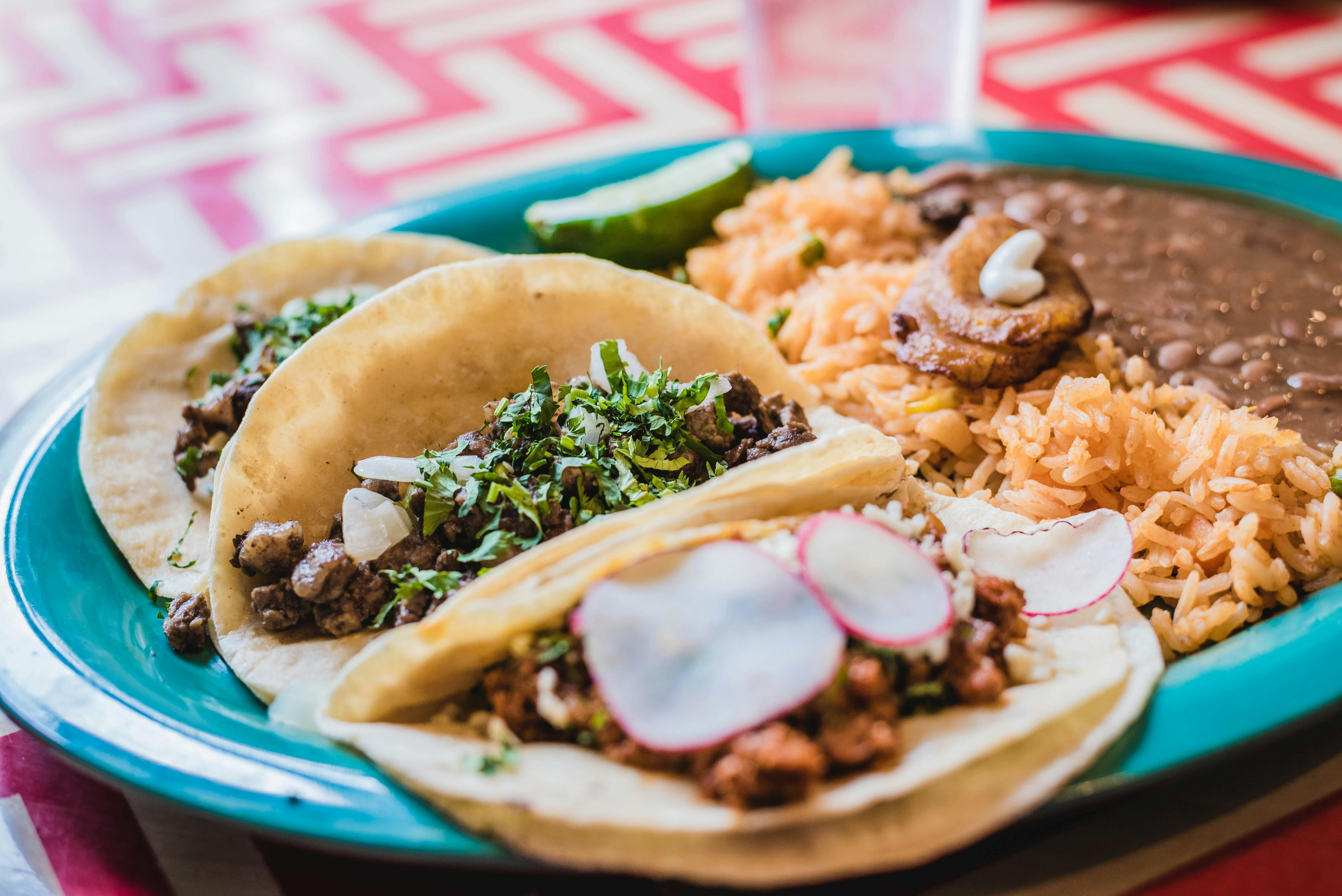

The American culinary landscape has been transformed by the creative genius of Latino chefs who masterfully blend traditional Hispanic flavors with beloved American dishes. This exciting fusion movement is a celebration of cultural identity and adaptation, reflecting the vibrant Hispanic-American experience. From food trucks serving Korean-Mexican fusion to high-end restaurants reimagining classic comfort foods, Latino fusion cuisine has become a driving force in contemporary American cuisine.
This culinary revolution showcases how immigrant communities preserve their heritage while embracing the flavors of their new home. Latino chefs across the United States are creating dishes that tell stories of migration, family traditions, and the beautiful complexity of bicultural identity. These innovative approaches honor ancestral recipes while appealing to diverse American palates.

Welcome to United Tribes
Where Mexican Culture Comes Alive
Join Your Tribe
Connect with your people
Discover Events
Watch parties & festivals
Find Mexican Businesses
Restaurants, markets & more
Earn Crown Credits
Get rewarded for engaging
The Evolution of Hispanic-American Fusion Cuisine
Hispanic-American cuisine has evolved far beyond traditional boundaries, creating entirely new categories of comfort food that speak to multiple generations of Latino families. The fusion movement gained momentum during the 1980s and 1990s, as second- and third-generation Latino Americans sought ways to honor their heritage while expressing their American experiences through food.
Today's Latino chefs draw inspiration from their grandmothers' recipes while incorporating techniques and ingredients that reflect their American upbringing. This culinary evolution demonstrates how the influence of Latin cuisine in the US continues to shape mainstream American food culture. The result is a dynamic cuisine that satisfies both nostalgia for traditional flavors and the desire for culinary innovation.
Regional Influences on Fusion Development
Different regions of the United States have fostered unique approaches to Latino fusion cuisine. In Texas, Mexican-American chefs blend Tex-Mex traditions with Southern barbecue techniques, creating dishes like brisket tamales and carnitas mac and cheese. California's Latino chefs incorporate fresh, local ingredients into traditional preparations, while East Coast fusion focuses on comfort food mashups that appeal to urban, diverse populations.
The Southwest continues to lead the way in innovation with Latino fusion cuisine, where proximity to Mexico and established Hispanic communities provide both authentic ingredients and adventurous diners. Meanwhile, cities like New York and Chicago have become laboratories for bold fusion experiments, where Latino chefs compete in highly competitive culinary markets by offering unique takes on familiar flavors.
Signature Fusion Dishes Transforming American Menus
The creativity of Latino chefs has produced countless innovative dishes that have become staples in American restaurants. BBQ pork tacos exemplify this fusion perfectly, combining slow-smoked American barbecue techniques with traditional Mexican tortillas and salsas. These dishes satisfy cravings for both authentic Mexican flavors and classic American barbecue, creating something entirely new yet familiar.
Plantain burgers represent another breakthrough in Latino fusion cuisine, where traditional Caribbean and Central American plantains serve as replacements for conventional burger buns. These creations appeal to health-conscious diners while introducing them to beloved Latino ingredients. The natural sweetness of plantains complements savory burger fillings, creating complex flavor profiles that showcase the versatility of Hispanic ingredients.
Creative Protein and Starch Combinations
Latino chefs excel at reimagining protein preparations through fusion techniques. Carne asada fries transform traditional Mexican grilled beef into a shareable American-style appetizer, while chorizo mac and cheese elevates comfort food with the addition of spicy Spanish sausage. These dishes demonstrate how Latino ingredients can enhance familiar American preparations without overwhelming them.
Innovative starch applications include using masa harina in fried chicken coatings, creating uniquely textured and flavored dishes that appeal to diverse audiences. Latino chefs also incorporate traditional grains, such as quinoa, into American salad preparations, adding nutritional value while introducing diners to ancestral ingredients in modern presentations.
Regional Fusion Trends Across America
Different American regions have developed distinct Latino fusion styles that reflect local tastes and the availability of ingredients. In the South, Latino chefs blend Hispanic spices with traditional barbecue rubs, creating unique flavor profiles that honor both culinary traditions. Southern-style carnitas and Mexican-spiced fried chicken exemplify this successful regional fusion approach.
The Pacific Northwest has seen Latino chefs incorporate local seafood into traditional dishes, creating innovative preparations such as salmon ceviche and Dungeness crab tamales. These innovations demonstrate how the art of making ceviche can be adapted to showcase local ingredients while maintaining authentic preparation techniques.
Urban Innovation Hubs
Major metropolitan areas serve as innovation centers for Latino fusion cuisine, where diverse populations provide both inspiration and eager audiences for culinary experimentation. Cities like Los Angeles, Houston, and Miami lead the way in fusion development, while emerging scenes in Portland, Denver, and Nashville showcase how Latino flavors adapt to different regional preferences.
These urban centers also foster collaboration between Latino chefs and other ethnic cuisines, creating complex fusion dishes that might incorporate Asian techniques with Latino flavors, or blend Middle Eastern spices with traditional Mexican preparations.
The Business Impact of Latino Fusion Cuisine
Latino fusion food represents a significant economic force, driving restaurant sales and creating new market opportunities for Latino entrepreneurs. Food trucks specializing in fusion cuisine have become particularly successful, offering affordable entry points for Latino chefs to build customer bases while perfecting their fusion concepts. Many successful restaurant empires began with simple fusion food trucks that gained devoted followings.
The popularity of Latino fusion has also created opportunities for specialty food producers, who supply restaurants with authentic ingredients needed for fusion preparations. This economic ecosystem demonstrates how supporting local Latin American businesses is empowering by creating jobs, preserving culinary traditions, and fostering innovation.
Investment and Growth Opportunities
Investors have recognized the potential of Latino fusion cuisine, funding restaurant concepts that appeal to both Latino communities and mainstream American diners. This financial support enables Latino chefs to open full-service restaurants, expand successful concepts, and compete effectively in competitive urban markets.
The growth of Latino fusion has also influenced major food corporations, which now incorporate Latino flavors into mass-market products. From chorizo breakfast burritos at national chains to plantain chips in mainstream grocery stores, Latino fusion influences extend far beyond restaurant kitchens into American pantries and daily eating habits.
Traditional Techniques Meet Modern Innovation
Successful Latino fusion food relies on maintaining authentic cooking techniques while adapting presentations and ingredient combinations for American audiences. Latino chefs preserve time-honored methods, such as slow braising, stone grinding spices, and traditional fermentation processes, applying these techniques to familiar American ingredients and presentations.
Modern equipment allows Latino chefs to execute traditional techniques more efficiently while maintaining authentic flavors. Sous vide preparation preserves the tenderness achieved through traditional long braising, while food processors can replicate stone-ground textures for salsas and moles.
The preservation of traditional techniques ensures that fusion dishes maintain their cultural authenticity even when ingredient lists include non-traditional elements. This approach honors culinary heritage while creating new traditions that reflect the Hispanic-American experience. Dishes like arepas around the world showcase how traditional preparations can incorporate local ingredients while maintaining their essential character.
Cultural Identity Through Fusion Innovation
For many Latino chefs, fusion cuisine offers a means of expressing complex cultural identities that encompass both traditional heritage and American experiences. These culinary creations tell personal stories of immigration, adaptation, and cultural preservation while appealing to diverse audiences who may not be familiar with traditional Latino cuisine.
Hispanic-American cuisine serves as a bridge between generations within Latino families, offering younger family members connections to their heritage through familiar American presentations. Fusion dishes can introduce traditional flavors in accessible formats, encouraging cultural exploration while satisfying contemporary tastes and dietary preferences.
The success of Latino fusion also validates the Hispanic-American experience for Latino chefs and their communities. When fusion restaurants gain recognition and success, they demonstrate that Latino cultural contributions are valued and celebrated in mainstream American society. This recognition encourages continued innovation while preserving essential cultural elements that define Latino culinary traditions.
Understanding Mexico's diverse culinary traditions provides insight into the depth of knowledge that Latino chefs bring to their fusion creations, ensuring that innovations remain grounded in authentic culinary understanding rather than superficial flavor combinations.
The Future of Latino Fusion
Latino culinary fusion embodies the dynamic spirit of Hispanic-American communities who continue to enrich American culture while preserving their heritage. As Latino chefs gain recognition and resources, their fusion innovations will undoubtedly continue pushing culinary boundaries while introducing new generations to the depth and diversity of Hispanic culinary traditions. This movement validates the importance of supporting Latino entrepreneurs and celebrating the creativity that emerges when cultures blend respectfully and authentically.
Visit United Tribes today and discover more about Latino culture and community, exploring the businesses, events, and culinary innovations that continue to shape America's diverse food landscape.
Make United Tribes Your Preferred Source
Add United Tribes on Google to get the latest stories, cultural updates, and community events directly in your Google Search and Top Stories.


