
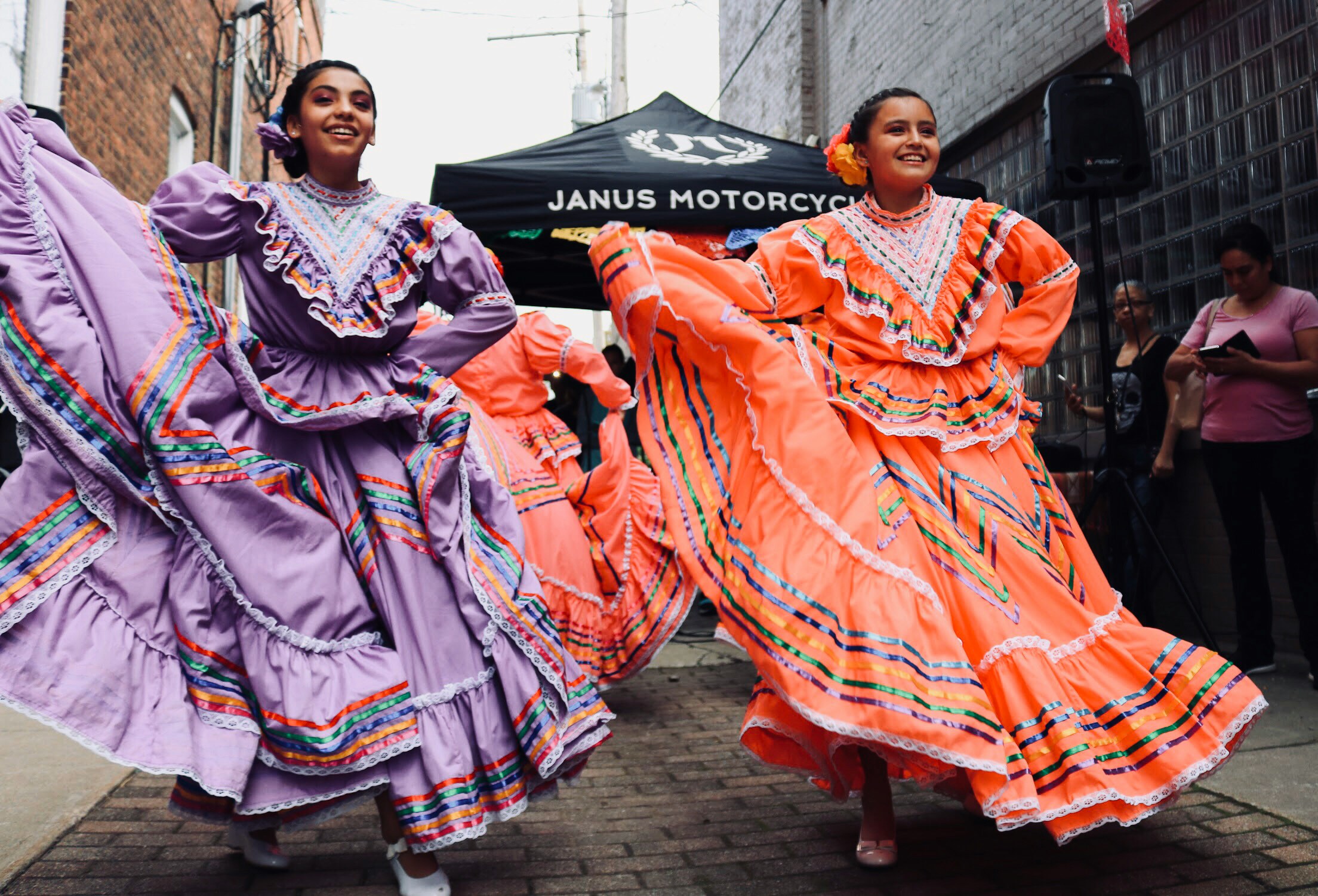


As we move through 2026, the conversation around Latino identity continues to evolve, particularly among second- and third-generation families who are navigating the complex intersection of tradition and modernity. These families are rewriting the narrative of what it means to be Latino in America, creating new pathways that honor their heritage while embracing contemporary American culture.
The Evolution of Cultural Connection in Modern Families
Today's Latino families are developing sophisticated strategies to maintain cultural bonds that go far beyond traditional approaches. Second-generation parents often serve as cultural bridges, translating not just language but entire worldviews for their children. They're creating hybrid traditions that incorporate elements from both their parents' homelands and American practices, resulting in unique family cultures that feel authentic to their specific experiences.
Many families are establishing new rituals that honor their heritage while acknowledging their American reality. This might include celebrating traditional holidays with contemporary twists, preparing ancestral recipes using locally sourced ingredients, or maintaining spiritual practices that incorporate both Catholic traditions and modern mindfulness approaches.
The role of extended family networks has also evolved, with many families creating chosen family structures that include friends and community members who share similar cultural navigation experiences.
Language Preservation and Adaptation Strategies
One of the most significant challenges facing Latino families today involves language transmission across generations. While previous generations might have focused solely on ensuring that children spoke perfect Spanish, today's families are taking a more nuanced approach that recognizes the complexity of bilingual identity in America.
Many families are embracing what linguists call "heritage language maintenance," which acknowledges that third-generation speakers might have different linguistic competencies while still maintaining meaningful connections to Spanish. Parents are finding creative ways to incorporate Spanish into daily life, from cooking conversations to bedtime stories, without placing undue pressure on children to achieve native-level fluency.
Creating Bilingual Environments at Home
Successful families often establish specific domains for Spanish use within their households. This might include designating certain meals as Spanish-only times, watching Spanish-language media together, or maintaining relationships with Spanish-speaking relatives through regular video calls. These strategies help children develop comfort with the language while recognizing that perfect bilingualism isn't the only marker of cultural authenticity.
Technology has become a powerful ally in language preservation efforts. Families are using apps, podcasts, and streaming services to create immersive Spanish environments within their homes. This approach allows children to encounter contemporary Spanish usage rather than feeling limited to formal or outdated language patterns.
Cultural Traditions in Contemporary Settings
The way Latino families practice and pass down cultural traditions has undergone remarkable innovation. Rather than attempting to recreate exact replicas of homeland customs, many families are adapting traditions to fit their current circumstances while maintaining their essential spiritual and cultural significance.
Food culture remains one of the strongest connectors across generations, but even this has evolved. Families might maintain traditional cooking methods while incorporating local ingredients, or they might preserve ancestral recipes while adapting them for dietary restrictions or health considerations. The act of cooking together becomes more important than strict adherence to original recipes, creating opportunities for storytelling and cultural transmission through shared culinary experiences.
Religious and spiritual practices have similarly adapted to contemporary realities. Many families blend Catholic traditions with indigenous spiritual practices, creating worship experiences that feel both ancestral and personally meaningful. Building community has become increasingly important as families seek to connect with others who share similar adaptation experiences.
Celebrating Heritage Through Modern Expressions
Contemporary Latino families are finding innovative ways to express their cultural identity through art, music, and community involvement. This might include participating in local cultural festivals, supporting Latino artists and musicians, or engaging in community service that addresses issues affecting Latino populations.
Many families are also documenting their cultural journey through photography, storytelling, and family history projects. These efforts help children understand their place within larger historical and cultural narratives while creating lasting records of their family's unique cultural evolution.
Economic Empowerment and Cultural Pride
The relationship between economic success and cultural identity has become increasingly sophisticated among Latino families. Rather than viewing assimilation as a prerequisite for economic advancement, many families are discovering ways to leverage their cultural identity as a source of strength and opportunity.
Supporting local Latin businesses has become both an economic strategy and a form of cultural preservation. Families understand that patronizing Latino-owned businesses helps maintain economic power within their communities while providing their children with positive examples of Latino success and leadership.
Many parents are also encouraging their children to view bilingualism and cultural competency as professional advantages rather than personal burdens. This shift in perspective helps young people understand that their multicultural identity can enhance their career prospects rather than limit them.
Educational Advocacy and Cultural Representation
Latino families are increasingly becoming advocates for educational programs that recognize and celebrate Hispanic heritage. This includes supporting dual-language programs, advocating for an inclusive curriculum that reflects Latino contributions to American history, and ensuring that their children have access to educational resources that validate their cultural identity.
Parents are also taking active roles in ensuring their children see positive Latino representation in their schools and communities. This might involve volunteering for cultural education programs, supporting Latino teachers and administrators, or creating informal educational opportunities that supplement formal schooling.
Technology and Global Cultural Connections
Digital technology has revolutionized how Latino families maintain connections to their cultural heritage. Social media platforms, video calling, and streaming services allow families to stay connected with relatives in other countries while also discovering Latino communities and cultural expressions from around the world.
Many families use technology to expose their children to the diversity within Latino culture, helping them understand that their heritage encompasses multiple countries, traditions, and expressions. This broader understanding helps young people develop more nuanced and inclusive concepts of Latino identity that extend beyond their family's specific national origin.
Values Transmission in Changing Times
The core values that Latino families prioritize, such as respect for elders, strong family bonds, and community responsibility, remain consistent even as their expression evolves.
Parents are finding ways to teach traditional values through modern contexts, helping children understand how concepts like respeto, familismo, and personalismo apply to their current social and professional environments. This approach ensures that cultural values remain relevant and meaningful rather than becoming outdated obligations.
The emphasis on education and professional achievement has intensified among Latino families, but this focus is often framed within traditional values of family honor and community contribution. Children learn to view their success as reflecting on their family and community, maintaining a collective orientation within individualistic American culture.
Embracing Heritage While Building Future
Latino families in 2026 are demonstrating remarkable creativity and resilience as they navigate the complex terrain of cultural identity in contemporary America. These families understand that cultural identity isn't about perfectly preserving the past, but about thoughtfully carrying forward the values and connections that matter most. Their efforts are creating new models of Latino identity that celebrate both roots and growth.
As families continue to redefine what it means to be Latino in America, they're creating pathways for future generations to maintain meaningful cultural connections while pursuing their dreams and aspirations.
Visit United Tribes today and discover more about Latino culture and community connections that support families in their cultural journey.


