
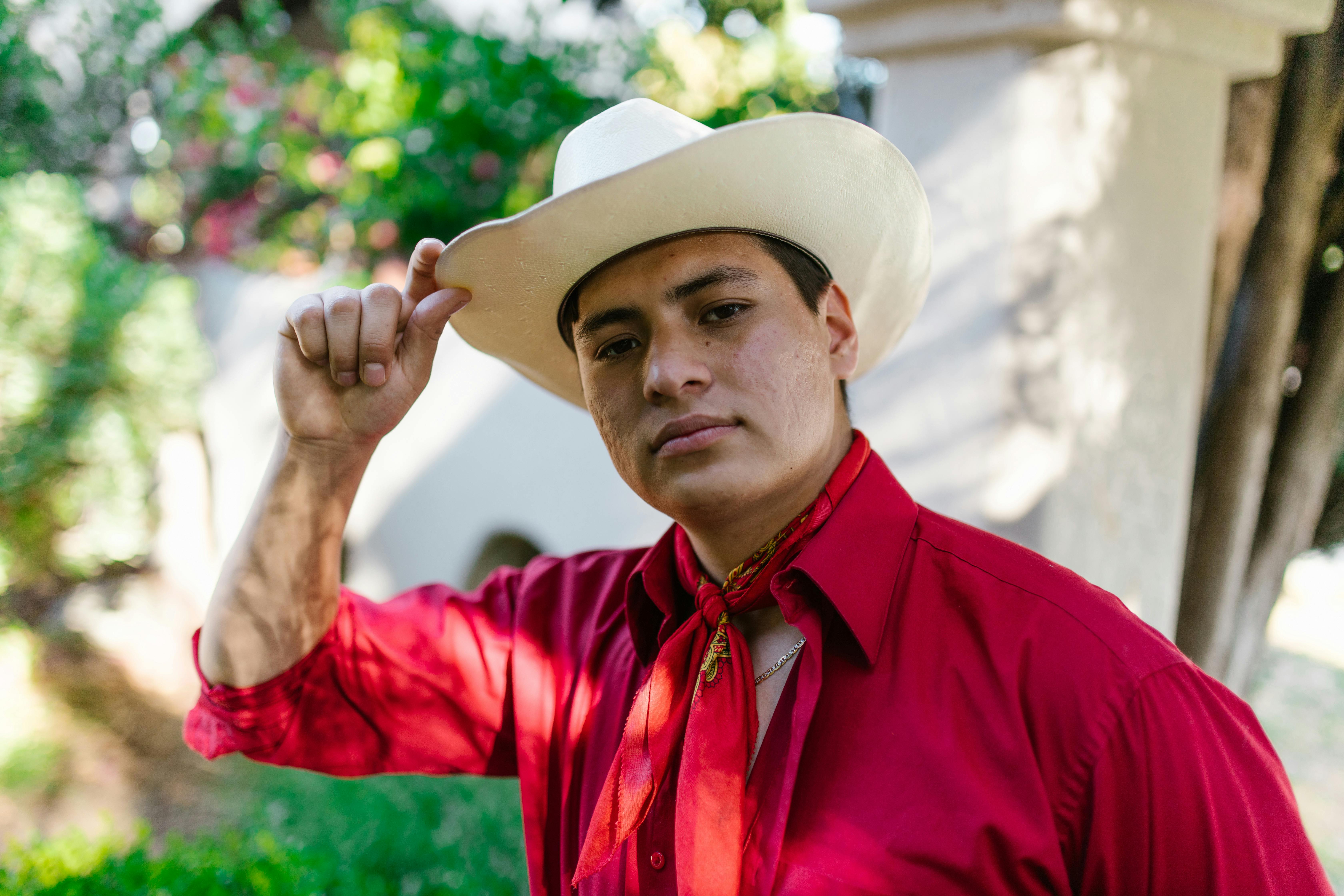


As we navigate through 2026, the conversation around Latino identity continues to evolve in profound ways across the United States. Younger generations of Hispanic and Latino-Americans are boldly rewriting the narrative of what it means to belong to these rich cultural traditions while forging new paths in an increasingly digital and interconnected world.
The shift is a cultural and generational renaissance where traditional values meet modern expression. From social media platforms to community organizing, young Latino culture advocates are creating spaces where multiple identities can coexist, where being authentically Latino doesn't require fitting into predetermined boxes, and where cultural pride manifests in innovative ways that previous generations might not have imagined.
The Evolution of Cultural Labels
The terminology surrounding Hispanic identity has undergone a significant transformation over the past decade, with 2026 marking a pivotal moment in how communities self-identify. While older generations often preferred traditional labels like Hispanic or Latino based on geographical or linguistic connections, younger community members are increasingly embracing more nuanced approaches to cultural identification.
Latino identity has gained substantial traction among college students and young professionals who view the term as more inclusive of diverse gender identities and expressions. However, this adoption isn't uniform across all communities. Many young people are choosing to identify primarily with their specific national origins, Mexican-American, Salvadoran-American, or Colombian-American, while simultaneously embracing broader Pan-Latino solidarity when addressing shared community concerns.
This linguistic evolution reflects bigger changes in how cultural identity functions in contemporary America. Rather than viewing labels as restrictive categories, many young people treat them as tools for connection and organizing. They might use "Latina" in family settings, "Hispanic" in professional contexts, and "latino" in activist spaces, demonstrating a sophisticated understanding of how identity can be both personal and political.
The flexibility in terminology also extends to cultural practices and traditions. Young community members are reinterpreting enduring Hispanic heritage traditions through contemporary lenses, maintaining core values while adapting expressions to reflect modern realities and diverse family structures.
Digital Spaces and Cultural Expression
Social media platforms have become crucial venues for Latino expression and community building. Instagram, TikTok, and Twitter serve as digital plazas where young people share everything from abuela's recipes to political commentary, creating vast networks of cultural connection that transcend geographical boundaries.
These digital spaces allow for nuanced conversations about identity that weren't possible in traditional media. Young creators are producing content that celebrates specific regional traditions while acknowledging the diversity within Latino communities. A second-generation Dominican-American might create videos about merengue while collaborating with Mexican-American friends on Día de los Muertos content, illustrating how Latino identity can be both specific and inclusive.
Community storytelling has found new life through podcasts, YouTube channels, and long-form social media content. Young people are documenting family histories, exploring intergenerational trauma, and celebrating cultural resilience in formats that reach both Latino and non-Latino audiences. These narratives often challenge monolithic representations of Latino experiences, instead highlighting the complexity and diversity within communities.
The digital landscape has also facilitated connections to Latino business communities, with young entrepreneurs using online platforms to promote culturally rooted ventures while building customer bases that extend far beyond their immediate neighborhoods.
Intergenerational Dialogue and Family Dynamics
One of the most significant aspects of evolving Latino identity in 2026 involves navigating relationships between generations within families and communities. Young people are engaging in complex negotiations between honoring traditional expectations and asserting their own interpretations of cultural belonging.
Family conversations about identity often reveal generational differences in priorities and perspectives. While older family members might emphasize maintaining Spanish fluency and traditional gender roles, younger generations are more likely to focus on social justice, inclusive language, and expanded definitions of familia that include chosen family and LGBTQ+ community members.
These intergenerational dynamics play out differently across various Latino communities, reflecting the diversity of experiences within Hispanic identity. Families with longer histories in the United States might have different conversations than recent immigrant families, and urban versus rural contexts create additional variations in how identity negotiations unfold.
Family roles in Latino culture remain strong, but their definition has expanded to include various forms of kinship and community connection. Young people are finding ways to honor traditional family values while creating space for individual expression and diverse life choices.
Professional Identity and Cultural Pride
The workplace has become another crucial arena for Latino culture expression and identity negotiation. Young professionals are increasingly refusing to compartmentalize their cultural identities, bringing authentic selves into professional environments and advocating for inclusive workplace cultures.
Professional networking within Latino communities has evolved to include both traditional mentorship models and innovative approaches to career development. Young professionals are creating informal networks that provide career guidance while maintaining cultural connections, often organizing events that combine professional development with cultural celebration.
Many are also choosing careers that allow them to serve their communities directly, whether through nonprofit work, education, healthcare, or entrepreneurship. The desire to give back while maintaining cultural connection influences career choices in ways that previous generations might not have prioritized to the same extent.
Workplace advocacy has become a natural extension of cultural identity for many young Latino professionals. They're pushing for Spanish-language accommodations, cultural competency training, and recruitment practices that better reflect community diversity. This advocacy rejects assimilation models that require the concealment of cultural identity in professional settings.
The rise of remote work and entrepreneurship has also created new opportunities to maintain cultural connections while building careers. Young people can live in culturally vibrant communities while working for organizations anywhere, reducing the geographic trade-offs that previous generations often faced.
Cultural Innovation and Tradition Preservation
Young Latino identity advocates in 2026 are demonstrating remarkable skill at preserving cultural traditions while adapting them for contemporary contexts.
Culinary traditions provide excellent examples of this dynamic evolution. Young cooks are maintaining traditional techniques while experimenting with ingredients and presentations that reflect their diverse influences and dietary preferences. Latin cuisine's ongoing influence continues to grow as these innovations reach broader audiences while maintaining cultural authenticity.
Musical and artistic expression has similarly evolved, with young artists incorporating traditional elements into contemporary genres and formats. Reggaeton, Latin trap, and other fusion genres represent successful examples of cultural innovation that maintain clear connections to traditional forms while appealing to diverse audiences.
Cultural festivals and celebrations have also adapted to include both traditional elements and contemporary expressions of identity. Day of the Dead celebrations might include traditional altars alongside contemporary art installations, while quinceañera celebrations might incorporate modern music while maintaining traditional ceremonial elements.
The preservation of the Spanish language has taken new forms, with young people creating content that naturally code-switches between languages and developing informal Spanish classes within their communities. Rather than viewing bilingualism as a burden, many young people embrace it as a valuable skill and cultural connection.
Community Organizing and Social Justice
Modern Latino culture is characterized by increased political engagement and community organizing among young people who view cultural identity and social justice as inseparable. This generation has grown up witnessing immigration debates, economic inequality, and social justice movements that directly impact their communities.
Voter registration and civic engagement have become cultural practices for many young Latino community members. They're organizing registration drives, hosting candidate forums, and creating voter education materials that address issues specifically affecting Latino communities while building broader coalitions for social change.
Immigration advocacy remains a central concern, but young organizers are approaching it with a nuanced understanding of how immigration policy affects different segments of Latino communities. They're advocating for comprehensive reform while also addressing the needs of mixed-status families, DACA recipients, and other specific populations within broader communities.
The intersection of Latino identity and other social justice causes has created powerful organizing opportunities. Young people are connecting Latino community concerns with environmental justice, LGBTQ+ rights, educational equity, and other progressive causes, building coalitions that amplify their political influence.
Community organizing efforts often incorporate cultural elements, such as music, food, and art, to create welcoming spaces for political engagement. This approach recognizes that effective organizing must honor cultural values while advocating for social change.
Looking Forward: Identity and Belonging in Tomorrow's Communities
As Hispanic identity continues to evolve, young Latino community members are laying the groundwork for even more inclusive and dynamic cultural expressions. Their approach to identity suggests that belonging doesn't require choosing between cultural authenticity and contemporary relevance, but finding ways to honor both simultaneously.
The emphasis on understanding different Latino identities has created more sophisticated conversations about diversity within Latino communities, acknowledging differences in national origin, class, immigration status, and other factors that shape individual experiences while maintaining community solidarity.
Future cultural development will likely continue to emphasize both specificity and inclusivity, with communities maintaining distinct traditions while building bridges across Latino populations and with other cultural communities. This approach positions Latino communities as leaders in modeling how cultural identity can be both rooted and adaptive.
Embracing Cultural Evolution and Community Connection
The transformation of Latino identity in 2026 represents a powerful example of how cultural communities can honor their heritage while embracing change and growth. Young Hispanic and Latino-Americans are demonstrating that authentic cultural identity doesn't require rigid adherence to traditional forms. Instead, it thrives through creative adaptation and inclusive community building. Their approach to identity, family relationships, professional development, and community organizing offers valuable lessons about maintaining cultural connections in an increasingly diverse and interconnected world.
Visit United Tribes today and discover more about Latino culture and community connections that celebrate both heritage and innovation in today's diverse cultural landscape.


