


As spring blooms across America in April 2026, Latino neighborhoods are preparing to showcase their vibrant cultures through spectacular community festivals. These celebrations represent more than just entertainment—they're powerful expressions of cultural identity, community pride, and the enduring spirit that defines Latino spring festivals. Hispanic communities are organizing events that bring together families, preserve traditions, and welcome neighbors to experience the rich tapestry of Latino heritage through music, dance, and authentic cuisine.
The Heart of Latino Community Celebrations
Latino neighborhood festivals serve as cultural anchors that strengthen community bonds while sharing Hispanic traditions with broader audiences. These Hispanic community celebrations create spaces where multiple generations can connect, from abuelas teaching traditional dances to young musicians blending contemporary sounds with ancestral rhythms.
Community organizers across the United States are planning ambitious celebrations for April 2026, with each festival reflecting the unique characteristics of its local Hispanic population. Whether celebrating Mexican, Puerto Rican, Dominican, Colombian, or other Latino cultures, these events emphasize shared values of family, tradition, and community solidarity. The festivals provide opportunities for building community, as local businesses play crucial roles in supporting these celebrations, from sponsoring entertainment to providing authentic products and services.
Musical Traditions Taking Center Stage
Music forms the heartbeat of Latino neighborhood events, with each festival featuring a diverse array of genres representing different Hispanic cultures. April 2026 festivals will showcase everything from traditional mariachi ensembles to contemporary reggaeton artists, creating soundscapes that honor both historical and modern Latino musical expressions.
Traditional Folk Music Performances
Community festivals prioritize authentic folk music that connects attendees to their ancestral roots. Mexican neighborhoods often feature mariachi bands, conjunto music, and folkloric ballet performances that tell stories through song and dance. Puerto Rican communities celebrate with bomba and plena rhythms, while Colombian areas showcase vallenato and cumbia traditions. These performances serve educational purposes, teaching younger generations about their heritage while entertaining diverse audiences.
Local music schools and cultural centers coordinate with festival organizers to provide performance opportunities for students, ensuring that traditional knowledge is passed to new generations. Master musicians often conduct workshops during festivals, sharing techniques and historical context that might otherwise be lost.
Contemporary Latino Artists
Modern Latino musicians use neighborhood festivals as platforms to debut new work and connect with community audiences. These performances blend traditional elements with contemporary influences, creating unique sounds that reflect the Latino-American experience. Hip-hop artists incorporate Spanish lyrics and Latin rhythms, while rock bands integrate traditional instruments into electric arrangements.
Festival stages serve as launch pads for emerging talent, with many successful Latino artists crediting neighborhood celebrations as crucial stepping stones in their careers. Community members take pride in supporting local musicians and in creating networks that extend beyond single events.
Culinary Celebrations and Food Vendor Highlights
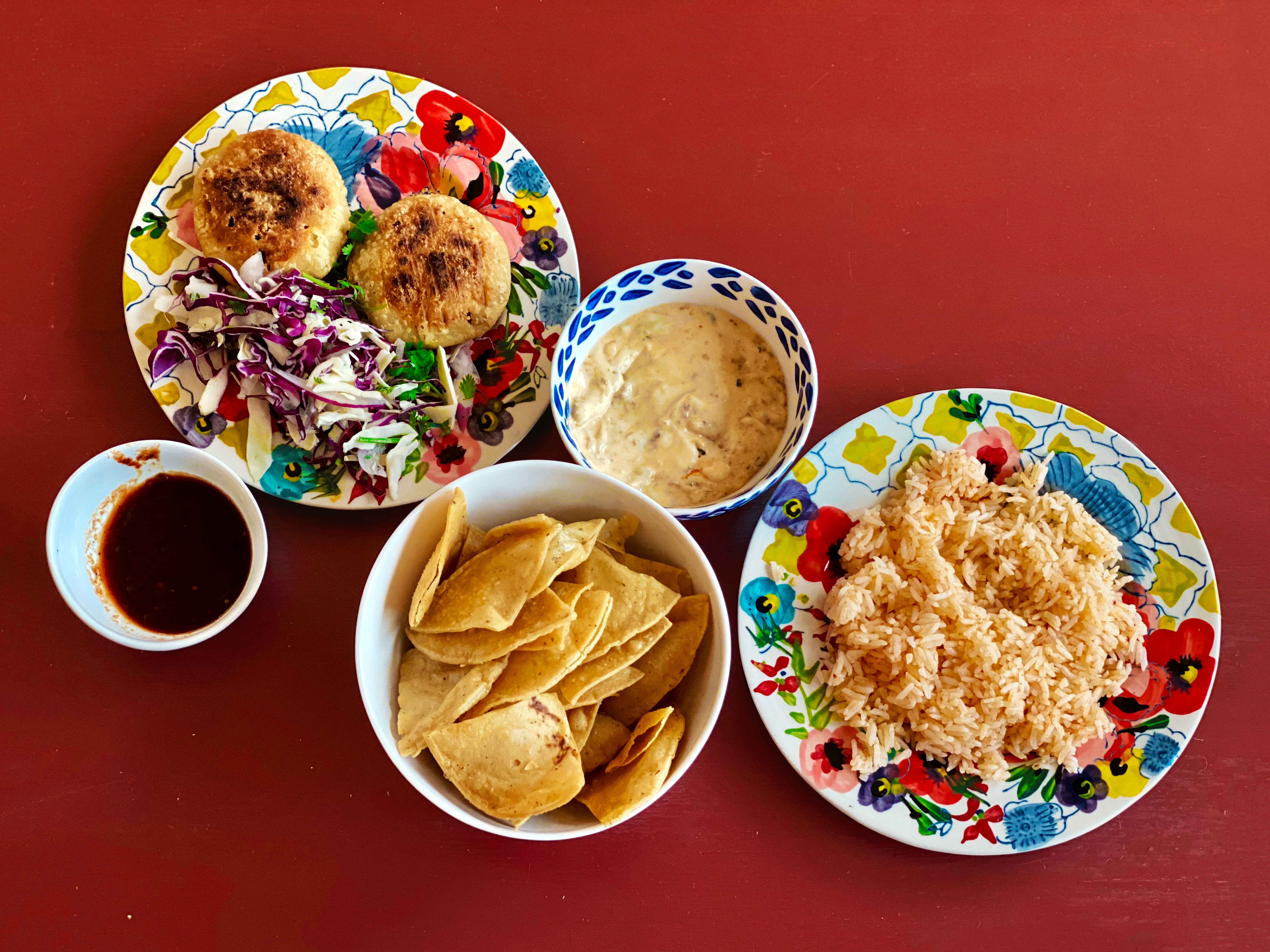
Food is one of the most anticipated aspects of Latino spring festivals, with authentic vendors offering traditional dishes perfected over generations. These culinary experiences introduce non-Latino neighbors to authentic flavors while providing comfort food for community members seeking dishes from their homelands. The influence of Latin cuisine in the US becomes evident as festival attendees discover the depth and diversity of Hispanic culinary traditions.
Traditional Family Recipes
Neighborhood festivals showcase family-owned food businesses that have maintained authentic recipes through multiple generations. Vendors often share stories behind their dishes, explaining regional variations and the cultural significance of ingredients and preparation methods. Mexican festivals feature street tacos, tamales, and aguas frescas, while Puerto Rican events highlight alcapurrias, pasteles, and jibarito sandwiches.
These food experiences create cultural bridges, allowing attendees to taste different Latino traditions while literally supporting small business owners. Many vendors use festivals as opportunities to expand their customer base, building relationships that continue long after events conclude.
Community Cooking Demonstrations
Interactive cooking demonstrations add educational elements to festival food experiences. Local chefs and home cooks share techniques for preparing traditional dishes, often with audience participation, creating memorable experiences for families. These demonstrations preserve culinary knowledge while adapting recipes for modern kitchens and dietary preferences.
Children particularly enjoy hands-on cooking activities, learning to make simple traditional snacks while hearing stories about their cultural significance.
Community Pride and Cultural Identity
Latino neighborhood festivals in April 2026 emphasize community pride through celebrations that honor both individual heritage countries and shared Latino-American experiences. These events create spaces where cultural identity can be expressed freely and proudly, countering negative stereotypes while showcasing positive community contributions.
Cultural displays include historical exhibits that trace immigration stories, highlighting the courage and determination of families who built new lives while maintaining their traditions. Art installations feature work by local Latino artists, creating visual representations of community values and aspirations.
Community pride is evident in volunteer participation, with residents of all ages contributing time and energy to ensure successful events. This collective effort strengthens neighborhood bonds while demonstrating the organizational capabilities and civic engagement that characterize thriving Latino communities. Supporting local Latin businesses empowers us all by creating economic opportunities that benefit entire neighborhoods.
Family-Centered Activities and Traditions
Hispanic community celebrations prioritize family participation through activities designed for multiple generations. Traditional games, craft workshops, and storytelling sessions create environments where grandparents can share knowledge with grandchildren. At the same time, parents connect with other families facing similar challenges in maintaining cultural traditions in American contexts.
Children's areas feature activities that teach Latino history and culture through engaging, hands-on experiences. Face painting with cultural designs, traditional craft projects, and dance lessons provide entertainment while reinforcing cultural identity. These activities help young Latino community members develop pride in their heritage while giving non-Latino children opportunities to learn about different cultures.
Family photo opportunities featuring traditional decorations and costumes create lasting memories while encouraging social media sharing, extending the festival's reach beyond in-person attendees.
Economic Impact and Business Opportunities
Latino neighborhood festivals generate significant economic benefits for local communities while providing platforms for Hispanic entrepreneurs to showcase their products and services. These events demonstrate the purchasing power of Latino consumers while highlighting successful businesses that contribute to neighborhood economic vitality.
Local Latino business owners use festivals as networking opportunities to build relationships with potential customers and collaborate with other entrepreneurs. Enduring Hispanic heritage traditions influence many festival businesses, from artisans selling handcrafted items to service providers specializing in culturally specific needs.
Festival success often inspires year-round business development, with entrepreneurs using events to test market demand for new products or services. This economic activity strengthens entire neighborhoods while providing Latino business owners with valuable opportunities for growth and community engagement.
Celebrating Latino Heritage Through Community
Latino neighborhood festivals in April represent powerful celebrations of cultural identity, community pride, and shared traditions that strengthen Hispanic communities across America. These events showcase the vibrant music, authentic cuisine, and enduring values that define Latino culture while creating opportunities for cross-cultural understanding and economic development. Through festivals that honor both ancestral traditions and contemporary Latino-American experiences, communities build bridges that connect generations and neighbors.
Visit United Tribes today to learn more about Latino culture and community events in your area.


