

The Christmas season brings a unique blend of joy, nostalgia, and cultural celebration to Filipino-American households across the United States. During this time, families gather to prepare and share traditional Filipino Christmas food that connects them to their homeland while creating new memories on American soil. From the sweet aroma of bibingka baking in makeshift clay pots to the rich custard of leche flan cooling in refrigerators, these festive dishes serve as edible bridges between generations and continents.
The Filipino Christmas celebration, deeply rooted in Catholic traditions and indigenous customs, extends far beyond December 25th. It begins as early as September and reaches its peak during the Simbang Gabi novena masses in December. For Filipino-Americans, this extended celebration provides multiple opportunities to gather, cook, and share the foods that define their cultural identity during the most wonderful time of the year.

Welcome to United Tribes
Where Filipino Culture Comes Alive
Join Your Tribe
Connect with your people
Discover Events
Watch parties & festivals
Find Filipino Businesses
Restaurants, markets & more
Earn Crown Credits
Get rewarded for engaging
Traditional Filipino Christmas Delicacies That Define the Season
Bibingka stands as perhaps the most iconic Filipino Christmas food, traditionally sold outside churches during Simbang Gabi. This spongy rice cake, topped with salted duck egg slices, cheese, and grated coconut, represents the heart of Filipino holiday traditions. In the US, Filipino families have adapted their bibingka-making process, often using regular chicken eggs when duck eggs are unavailable and substituting banana leaves with parchment paper when the traditional leaves prove difficult to source.
Leche flan graces nearly every Filipino Christmas table, its silky custard texture and caramelized sugar creating the perfect ending to holiday meals. Filipino-American families often prepare multiple batches, as this beloved dessert serves not only for Christmas dinner but also as gifts for neighbors and friends who have become part of their chosen family in America.
The presence of queso de bola (Edam cheese) transforms ordinary meals into Christmas feasts. This red-waxed cheese, originally introduced during Spanish colonization, has become synonymous with Filipino Christmas celebrations. Filipino-American families incorporate queso de bola into various dishes, from simple crackers and bread to more elaborate pasta dishes and even as toppings for their homemade pizzas during holiday gatherings.
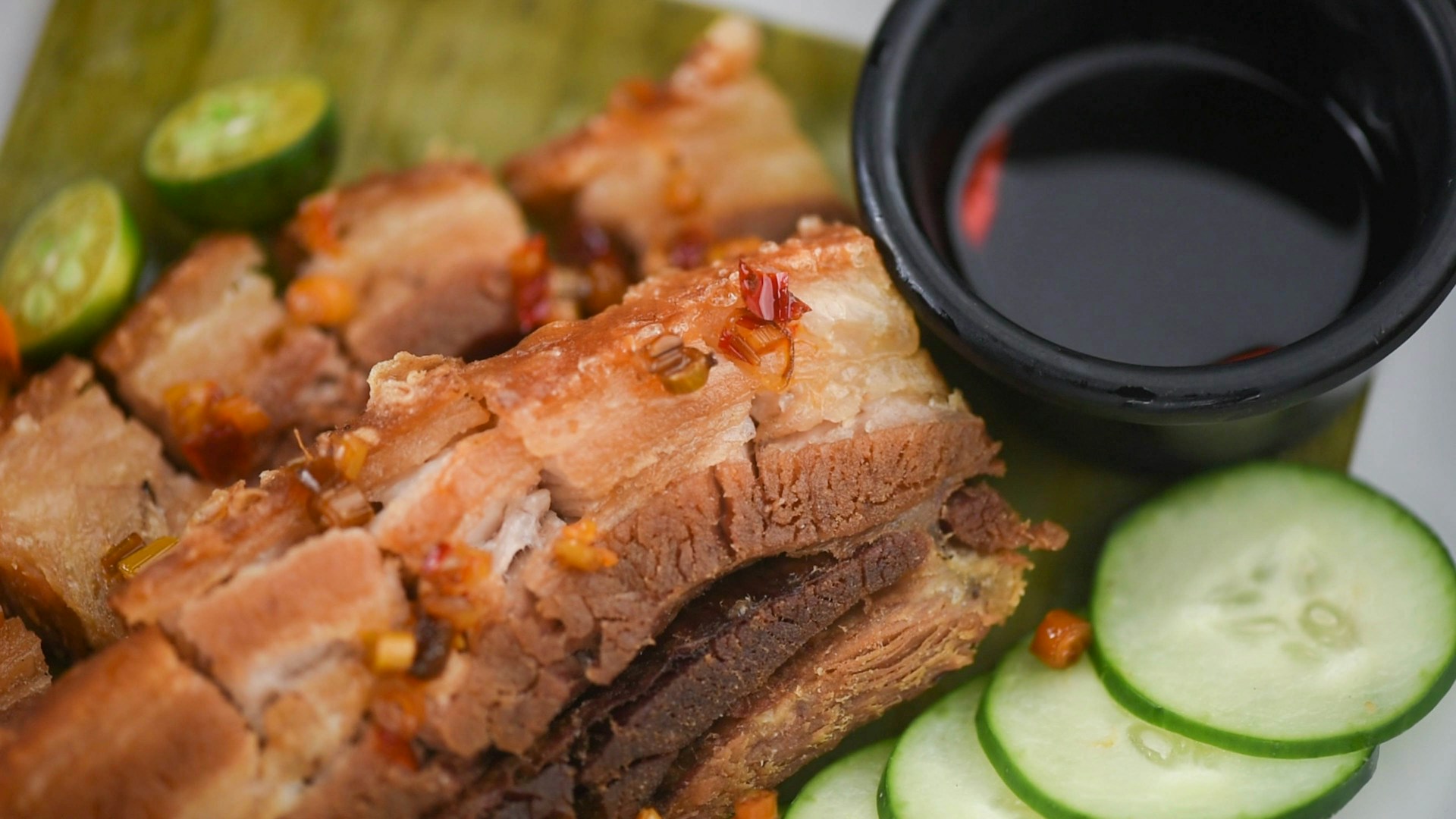
Lechon or roasted pig represents the centerpiece of many Filipino Christmas celebrations, though Filipino-Americans often adapt this tradition based on their living situations. Urban families might opt for lechon belly or even lechon kawali (deep-fried pork belly) when space and equipment limitations make traditional whole pig roasting impractical.
Adaptation and Innovation in Filipino-American Kitchens
Filipino-American families demonstrate remarkable creativity in adapting traditional recipes to American ingredients and kitchen setups. Many have discovered that American supermarkets now carry ingredients that were once impossible to find, thanks to growing Asian markets and increased cultural awareness. However, substitutions remain common and often lead to interesting flavor variations that become family traditions themselves.
Food preparation often becomes a community effort for Filipinos, with families coordinating who will prepare which dishes for large gatherings. This collaborative approach mirrors the bayanihan spirit of Filipino culture, where communities work together for mutual benefit. Filipino comfort food preparations during Christmas often involve multiple generations working side by side, passing down techniques and stories along with recipes.
Modern Filipino-American cooks also incorporate fusion elements into their holiday menus, creating dishes that reflect their bicultural experience. Some families serve traditional ham alongside lechon, or prepare American-style stuffing with Filipino seasonings, creating unique flavor profiles that represent their dual cultural identity.
Community Food Fairs and Cultural Celebrations
Filipino Christmas Food Fairs Across America
Major cities with significant Filipino populations host elaborate food fairs during the Christmas season, showcasing Filipino treats that local communities have come to cherish. Los Angeles, San Francisco, New York, and Chicago feature prominently in these celebrations, with community centers, churches, and cultural organizations organizing events that bring together families from across metropolitan areas.
These food fairs serve multiple purposes beyond mere celebration. They provide opportunities for Filipino-American entrepreneurs to showcase their culinary skills, often leading to catering businesses or restaurant ventures. Many successful Filipino restaurants in America trace their origins to humble beginnings at community Christmas food fairs.
Church-Centered Holiday Celebrations
Filipino-American churches play crucial roles in maintaining food traditions during Christmas. Many parishes organize communal cooking sessions where families prepare large quantities of traditional foods together. These gatherings strengthen community bonds while ensuring that traditional cooking methods and recipes are passed on to younger generations who might otherwise lose touch with their culinary heritage.
The Simbang Gabi celebrations at Filipino-American churches often feature food vendors selling traditional Christmas treats, creating authentic experiences that transport families back to the Philippines. These vendors, many of whom are community members rather than professional food sellers, help maintain the authentic flavors and preparation methods of traditional Filipino Christmas food.
Recipe Sharing and Cultural Preservation
Digital Recipe Communities
Filipino-American families increasingly rely on digital platforms to share and preserve their Christmas recipes. Facebook groups dedicated to Filipino cooking buzz with activity during the holiday season, as members share photos of their creations, ask for ingredient substitutions, and troubleshoot cooking challenges. These online communities have become invaluable resources for maintaining culinary traditions across geographical distances.
YouTube channels run by Filipino-American home cooks gain significant following during the Christmas season, as they demonstrate traditional cooking techniques adapted for American kitchens. These digital resources prove especially valuable for second and third-generation Filipino-Americans who want to connect with their heritage through food.
Intergenerational Recipe Exchange
The Christmas season provides natural opportunities for intergenerational recipe exchange within Filipino-American families. Grandparents often use holiday cooking as teaching moments, showing grandchildren born in America how to achieve the perfect bibingka texture or create the smoothest leche flan. These intimate cooking sessions become treasured memories that strengthen family bonds and cultural connections.
Many Filipino-American families now document these recipe exchanges through video recordings or detailed written instructions, creating family cookbooks that preserve not just ingredients and methods but also the stories and memories associated with each dish. Bringing Filipino celebrations to America often centers around these carefully preserved family recipes that carry emotional significance beyond their nutritional value.
Modern Filipino Christmas Tables in America
Today's Filipino-American Christmas tables reflect both tradition and adaptation, featuring classic dishes alongside new creations that speak to their American experience. Families might serve traditional Filipino Christmas food like bibingka and leche flan alongside American holiday favorites that their children have grown to love, creating fusion holiday experiences that honor both cultures.
Filipino holiday treats are usually prepared using locally sourced ingredients that add new dimensions to traditional flavors. California families might use locally grown rice for their bibingka, while those in agricultural areas might have access to farm-fresh eggs and dairy that enhance their leche flan recipes.
Filipino-Americans also share their Christmas food traditions with their non-Filipino friends and neighbors, introducing them to the rich flavors and unique preparations that define Filipino holiday cuisine. These cultural exchanges often result in potluck-style celebrations where Filipino families contribute their traditional dishes while learning about other cultural food traditions represented in their diverse American communities.
The evolution of regional Filipino dishes continues in America, where families from different Philippine regions share their distinct Christmas food traditions, creating new fusion dishes that represent the diversity within Filipino culture itself. Northern Luzon families might share their unique bibingka variations with those from Mindanao, leading to creative combinations that become new family traditions.
Preserving Heritage Through Holiday Flavors
Filipino-American Christmas celebrations demonstrate the powerful role food plays in maintaining cultural identity while embracing new traditions. Families create meaningful connections between their heritage and their American experience through their food. These culinary traditions serve as edible storytellers, carrying forward the flavors, memories, and values that define Filipino culture across generations and geographical boundaries.
The adaptation and evolution of Filipino Christmas food traditions in America showcase the resilience and creativity of immigrant communities. As families continue to gather around tables laden with bibingka, leche flan, and queso de bola, they strengthen not only family bonds but also community connections that enrich the multicultural tapestry of American society. Visit United Tribes today and find out more about Filipino culture and community celebrations throughout the year.


