
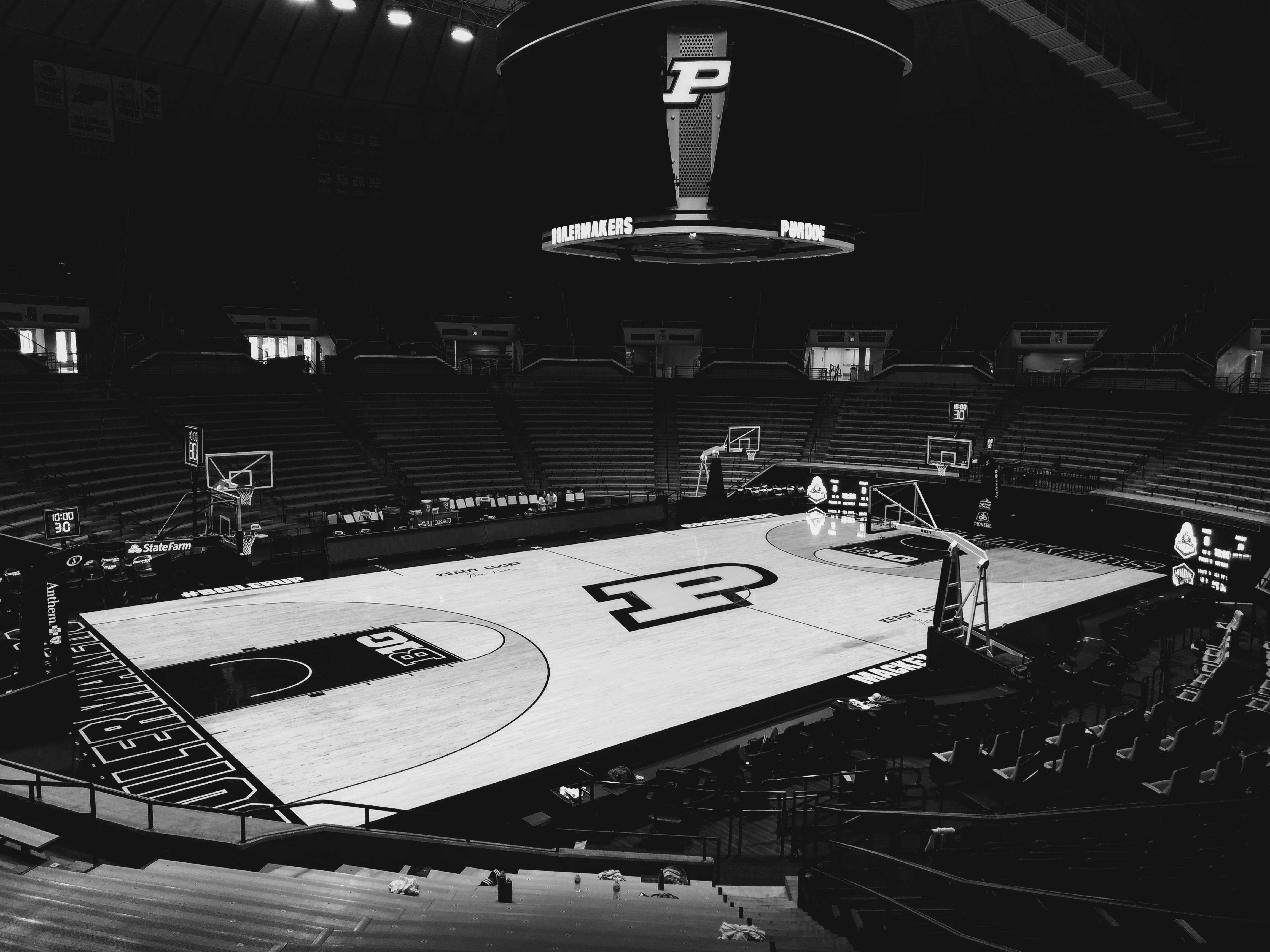


Every March, something magical happens across America. Offices quiet down as colleagues huddle around computers, families gather around kitchen tables with newspapers spread wide, and college campuses buzz with anticipation.
The NCAA tournament has evolved into a modern American folk event that transcends sports, creating a three-week period during which millions of people engage in bracket-filling ceremonies, establish watch-party protocols, and participate in office pool etiquette passed down like cultural knowledge. Understanding these March Madness traditions reveals how Americans create community through competition and celebration.
The Sacred Art of Bracket Filling
When Americans fill out their brackets, they participate in a ritual that combines statistical analysis with intuition, creating a uniquely American blend of logic and hope. The process of how Americans fill out brackets has become as standardized as any cultural tradition, with distinct methodologies passed down through families and friend groups.
The Research Phase typically begins weeks before Selection Sunday, with dedicated participants studying team statistics, injury reports, and conference tournament results. However, the most fascinating aspect of American bracket culture lies in the alternative approaches that have nothing to do with basketball knowledge. Some Americans choose teams based on mascot appeal, uniform colors, or simply because they like the sound of a school's name.
Family bracket sessions represent one of the most cherished March Madness traditions, where multiple generations gather to debate seedings and make predictions. Grandparents share stories of legendary upsets while teenagers explain advanced metrics, creating an intergenerational exchange that strengthens family bonds through friendly competition.
The deadline rush phenomenon occurs in offices and friend groups nationwide, where procrastinators frantically complete their brackets minutes before tip-off. This last-minute scramble has become so commonplace that it's practically expected, with experienced pool organizers building buffer time into their submission deadlines.
Office Bracket Pool Culture
American workplace culture transforms dramatically during March, as office bracket pool etiquette becomes essential knowledge for professional survival. These pools represent social frameworks that break down hierarchical barriers and create common ground between colleagues who might otherwise rarely interact.
Establishing Pool Rules
Successful office pools operate under unwritten social contracts that veteran participants understand intuitively. The pool organizer holds temporary authority to make decisions on tie-breakers, late entries, and payout structures. Entry fees typically range from $5 to $20, striking a balance between meaningful stakes and inclusive participation.
Bracket revelation ceremonies happen in conference rooms or break areas, where participants dramatically unveil their Final Four picks and championship selections. These moments create office folklore, with bold predictions remembered for years regardless of their accuracy.
Workplace Dynamics During the Tournament
The three-week tournament period restructures office social dynamics in fascinating ways. Productivity patterns shift as employees check scores during lunch breaks and engage in bracket-related conversations that would be impossible during normal business periods. Smart managers recognize this cultural moment and often embrace it rather than fighting it.
Upset celebrations create temporary alliances between colleagues who rarely collaborate, while bracket-busting defeats generate sympathetic support networks. The shared experience of watching a 15-seed eliminate someone's championship pick creates bonds that extend beyond March.
Watch Party Traditions and Etiquette
NCAA tournament watch party ideas have evolved into sophisticated social events with their own protocols and expectations. American homes across the country are transforming into viewing centers, complete with multiple screens, designated seating, and carefully planned food spreads.
Setting the Perfect Viewing Environment
Multi-screen setups have become standard practice, with hosts arranging televisions, laptops, and tablets to cover multiple games simultaneously. The primary screen highlights the group's most important game, while secondary screens provide updates on bracket-relevant matchups. Remote control etiquette dictates that the host maintains switching authority, though exceptions are made for guests with significant bracket stakes.
Seating hierarchy emerges naturally, with positions closest to the main screen reserved for those with the most invested in current games. Comfortable chairs and couches accommodate long viewing sessions, while floor space provides overflow seating for larger groups.
Food Rituals and Game Day Traditions
Tournament watch parties follow distinct culinary patterns that blend convenience with celebration. Buffalo chicken dip, loaded nachos, and pizza are staples that satisfy groups without requiring attention during crucial game moments.
Halftime food runs create natural breaks for restocking snacks and beverages, while overtime provisions ensure parties can sustain energy through unexpected extended games. Experienced hosts prepare backup food supplies, knowing that tournament excitement can extend viewing sessions well beyond original plans.
Regional and Cultural Variations
College basketball culture in the US varies across regions, creating distinct March Madness traditions that reflect local values and preferences. These variations demonstrate how national events adapt to regional cultural patterns while maintaining core unifying elements.
Conference Loyalty Patterns
Regional pride influences bracket selections in predictable ways, with Americans often supporting teams from their geographic areas even when statistics suggest poor outcomes. SEC country rallies behind Southeastern schools, while West Coast participants show loyalty to Pac-12 teams regardless of seeding.
Alumni networks create passionate viewing groups that gather annually to support their schools, transforming sports bars and private homes into temporary campus extensions. These gatherings blend nostalgia with current tournament excitement, creating multi-layered celebration experiences.
Urban vs. Rural Celebration Styles
Metropolitan watch parties tend toward larger, more diverse gatherings with elaborate food presentations and multiple bracket pools operating simultaneously. Urban participants often coordinate viewing schedules around multiple social obligations, creating tournament itineraries that span different friend groups and locations.
Small-town celebrations often center on a single location—the local bar, community center, or a prominent family's home—where entire communities gather for shared viewing. These events strengthen local social bonds while connecting rural areas to national cultural moments.
The Psychology of March Madness Participation
Understanding why Americans embrace March Madness traditions reveals deeper cultural values around community, competition, and collective experience. The tournament provides a structured framework for social connection that transcends typical barriers of age, profession, and background.
Bracket psychology combines hope with resignation, as participants simultaneously believe in their predictions while expecting inevitable disappointment. This tension creates emotional investment that sustains engagement throughout the tournament, even after mathematical elimination becomes certain.
Community belonging emerges through shared bracket suffering and celebration, with strangers bonding over similar upset losses or celebrating together when underdogs exceed expectations. Office pools, family competitions, and friend-group brackets create temporary communities united by a shared investment in unpredictable outcomes.
The ritual calendar aspect of March Madness provides Americans with a reliable seasonal celebration that requires active participation rather than passive observation. Unlike holidays that happen to people, the tournament demands engagement through bracket creation, game watching, and pool participation.
America's Unifying Basketball Celebration
March Madness 2026 is a three-week period when Americans from diverse backgrounds participate in shared rituals that build community through competition. From the careful consideration that goes into bracket selection to the elaborate watch party preparations and office pool dynamics, these traditions reveal how modern Americans build connections through collective participation in unpredictable outcomes.
The beauty of March Madness lies in its democratic nature, where basketball knowledge provides no guarantee of bracket success, and everyone begins with equal hope for tournament glory. Whether you're a seasoned participant or new to bracket culture, understanding these traditions helps you appreciate how Americans transform sporting events into community-building celebrations that strengthen social bonds and create lasting memories.
Visit United Tribes today and find out more about American culture and community celebrations that bring people together throughout the year.


