
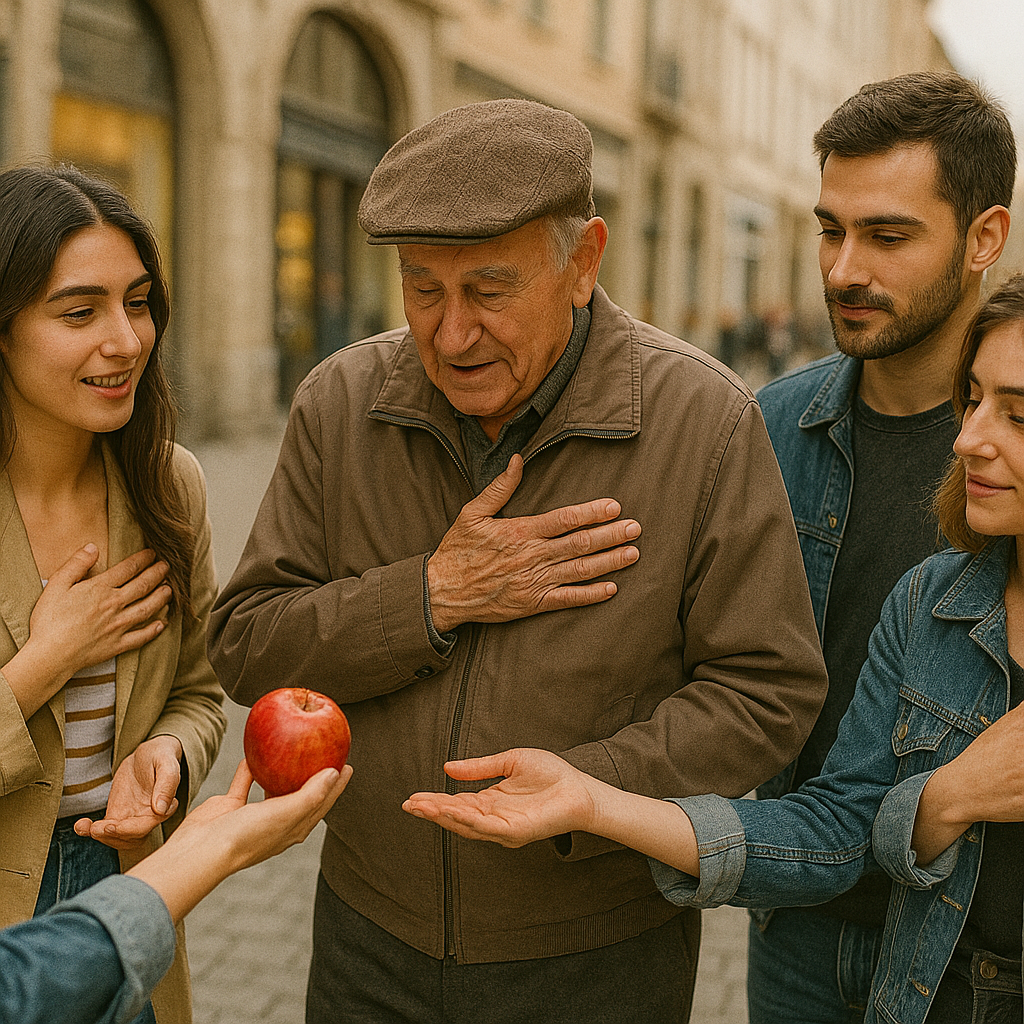

Iranian society is deeply rooted in traditions that profoundly shape how people interact with one another. Cultural values influence everything from how meals are shared to how favors are offered. Two of the most essential concepts that guide behavior are mehrbani and ta’arof.
Mehrbani refers to kindness and hospitality. It is a principle that promotes generosity, care, and emotional warmth. Iranians demonstrate this in the way they welcome guests, offer assistance, and take care of one another in both everyday life and major celebrations.

Welcome to United Tribes
Where Persian Culture Comes Alive
Join Your Tribe
Connect with your people
Discover Events
Watch parties & festivals
Find Persian Businesses
Restaurants, markets & more
Earn Crown Credits
Get rewarded for engaging
Ta’arof, on the other hand, is a more complex system. It reflects humility, politeness, and social etiquette. Understanding these values provides essential insight into Iranian cultural values, especially for those building relationships with Iranian or Iranian-American communities.
Mehrbani: The Culture of Generosity
Mehrbani is not just kindness in action. It is a philosophy that governs hospitality, care, and interpersonal warmth. It shows up when a host insists you stay for tea, a neighbor offers help without being asked, or a friend gives you a parting gift, even if you only stopped by for a short visit.
In Iranian gatherings, food is prepared to nourish and express love. Hosting guests means going the extra mile. It is common to find tables filled with stews, rice dishes, fruit platters, and desserts, all offered with a genuine desire to please. As Nowruz traditions explain, these rituals are especially central during Persian New Year, when generosity becomes a cultural focal point.
This way of life continues in the Iranian diaspora. Families in cities like Los Angeles or Toronto recreate these traditions to stay connected to their roots. The Diaspora Journeys series shares stories of immigrants passing on mehrbani through meals, community events, and acts of care that extend beyond family.
Ta’arof: The Ritual of Respect
Ta’arof represents the more formal side of Iranian politeness. It is a form of social etiquette that prioritizes modesty and deference. A host might say, “This is your home,” or a cashier may insist, “There is no charge.” These statements are not always intended to be taken literally. They are part of a shared understanding that both parties are familiar with.
In Western contexts, ta’arof can feel confusing. When someone says, “Let me treat you,” but means for you to decline, it takes cultural fluency to respond correctly. That’s why our Cultures in Conversation is helpful for anyone working across cultural lines. It explains how to distinguish between sincere and ceremonial gestures.
This ritual takes many forms. Compliments are often deflected. Invitations are offered even when the host may not expect the guest to accept. To someone unfamiliar with it, this can seem excessive or insincere. But in context, it is a sign of deep respect.
Ta’arof in Everyday Life
If you are new to Iranian culture, navigating ta’arof can be a time-consuming process. The key is to understand the rhythm. Offers and refusals may go back and forth before a final agreement is reached.
For example, a guest might be offered seconds at dinner. Even if they want more, they will likely refuse once or twice before accepting. A driver may provide you with a ride, expecting you to decline politely before accepting with gratitude. A compliment may be answered with, “It is nothing” or “You are too kind,” rather than a simple “thank you.”
Our Culture Corner features provide more examples of these nuanced interactions. Real-life stories demonstrate how ta’arof influences everything from dinner parties to business meetings.
Mehrbani and Ta’arof in the Diaspora
Both values are strong in Iranian communities abroad. They help preserve identity, foster community, and build connections with neighbors and coworkers. Families teach children how to express respect through ta’arof and how to show care through mehrbani.
At International Community Events, these values are on full display. Tables overflow with homemade dishes, hosts greet guests at the door, and polite exchanges set the tone for the gathering. These moments allow tradition to thrive, even in distant lands far from Iran.
Iranian-American Social Dynamics
Iranian Americans often move between cultural frameworks. They may emphasize traditional norms at home while adapting at work or school. This balancing act enables them to navigate various social expectations.
In Iranian homes, generosity is expected. Guests are offered tea, food, and small tokens of appreciation. Declining once is seen as good manners. While acceptable in American culture, accepting immediately may be considered impolite in a Persian setting.
These dynamics show up in everything from family dinners to professional meetings. They are not just habits but reflections of values passed down through generations.
Applying Mehrbani and Ta’arof in Everyday Interactions
Whether visiting an Iranian friend’s home, partnering with an Iranian business, or attending a cultural celebration, knowing when and how to express kindness or navigate polite refusal makes all the difference.
Responding with grace, offering help without being asked, or understanding when “no, thank you” really means "Yes, please,” these small moments create mutual trust and lasting respect. Practicing these values shows cultural awareness and a commitment to human connection.
Why These Values Still Matter
Iranian cultural values, such as mehrbani and ta’arof, offer more than just etiquette. They reflect a worldview built on trust, humility, and connection. In an era when much of the world prioritizes speed and self-interest, these values slow things down. They make room for listening, offering, refusing, and insisting — actions that affirm the dignity of others.
By learning how these customs work, you show respect for individuals and their history and heritage. This knowledge goes a long way, whether you are hosting an Iranian friend, attending a Persian celebration, or collaborating with Iranian-American colleagues.
Want to Learn More?
If you’re ready to gain a deeper understanding of Iranian culture, we encourage you to explore the Services section on United Tribes. There, you’ll find resources, cultural guides, and storytelling initiatives designed to foster connections and build bridges between communities.
Whether you're planning an event, working across cultures, or simply curious, our team supports respectful, informed engagement with Iranian traditions and communities.
We also offer curated workshops, cultural interpreters, and event collaborations to help organizations connect with the Iranian community and preserve meaningful traditions in diverse, modern settings.
Make United Tribes Your Preferred Source
Add United Tribes on Google to get the latest stories, cultural updates, and community events directly in your Google Search and Top Stories.


