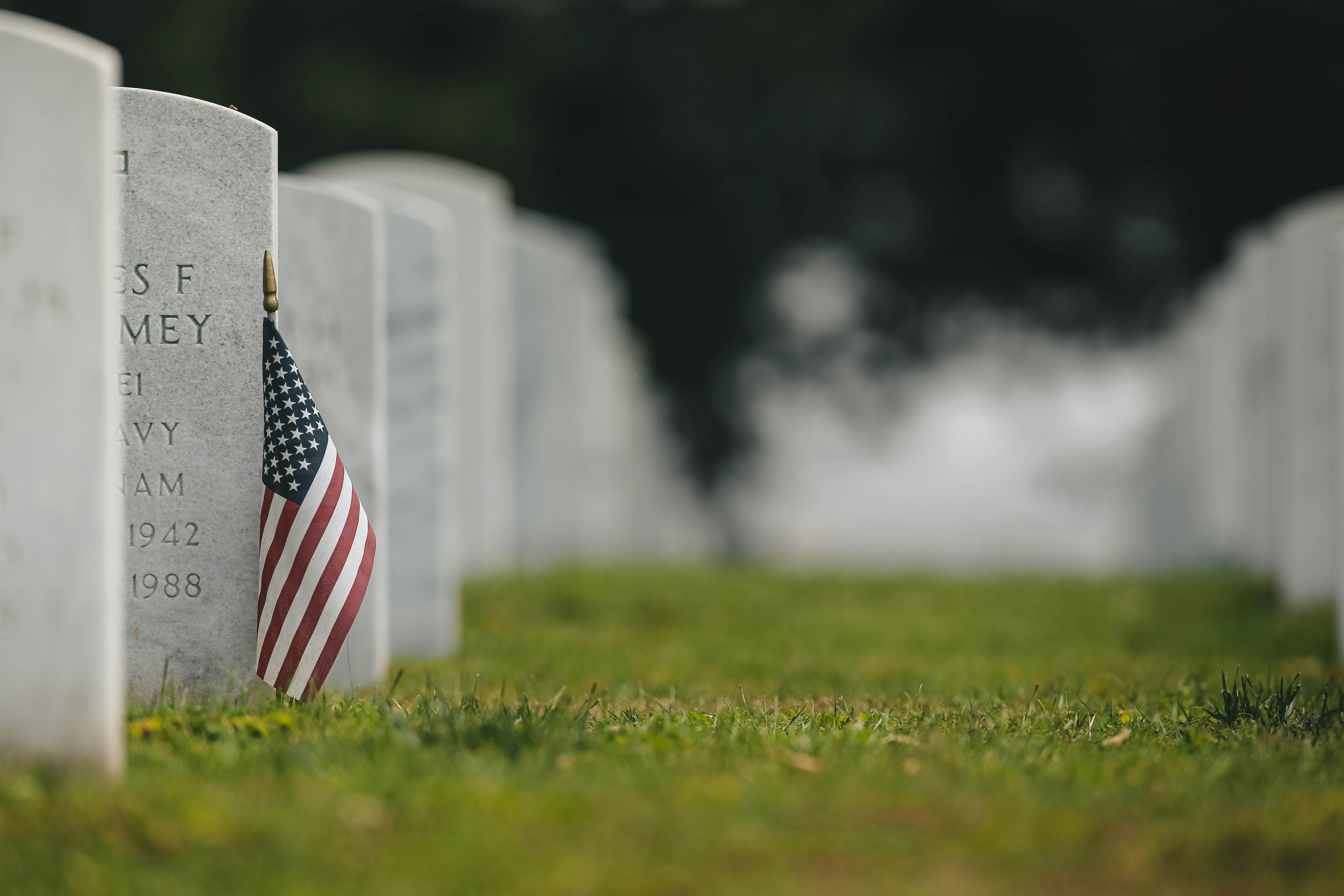


Memorial Day weekend represents one of America's most profound cultural traditions, in which the nation collectively honors fallen service members while celebrating the freedoms they died to protect. As Memorial Day traditions continue to evolve, this uniquely American holiday showcases how communities across the United States merge solemn remembrance with joyful celebration, creating a weekend that embodies both civic duty and family togetherness.
The Sacred and the Celebratory: America's Unique Memorial Day Balance
Americans have masterfully created a holiday that honors the dead while celebrating life itself. This delicate balance reflects a distinctly American approach to grief and remembrance – one that acknowledges sacrifice while embracing the freedoms that sacrifice made possible. Memorial Day parades exemplify this duality perfectly, featuring both solemn tributes to fallen heroes and spirited community celebrations.
The morning hours typically begin with reverent ceremonies at national cemeteries, where families place flags on graves and participate in moments of silence. Arlington National Cemetery's wreath-laying ceremony sets the tone nationally, while thousands of local cemeteries across America host their own memorial services. These sacred moments provide space for genuine grief and gratitude.
Community gathering traditions then transition the day toward celebration. Small towns organize parades featuring veterans' organizations, high school marching bands, and local civic groups. These processions serve dual purposes: honoring military service while bringing communities together in shared patriotic celebration.
By afternoon, the focus shifts to family-centered festivities. Backyard barbecues, picnics, and outdoor gatherings become the norm, as Americans embrace the leisure time that military sacrifice has secured. This transition from mourning to celebration isn't seen as disrespectful – rather, it represents the ultimate tribute to those who died protecting American freedoms.
Memorial Day Parades: The Heart of American Community Celebration
Memorial Day parades showcase American communities at their finest, combining patriotic reverence with local pride. These processions have evolved into quintessentially American celebrations that reflect each community's unique character while maintaining universal themes of sacrifice and service.
Small Town Parade Traditions
Small-town parades often feature multi-generational participation, with families marching together across decades. Local veterans' organizations lead processions, followed by current military members home on leave. High school marching bands provide musical accompaniment, while youth sports teams, scout troops, and civic organizations round out the parade lineup.
Community involvement extends beyond participants to spectators, who line Main Streets with folding chairs, American flags, and coolers full of refreshments. Children collect candy thrown from floats, while adults applaud veterans and active-duty service members. These parades foster genuine community connection, with neighbors greeting one another and sharing stories of family members' military service.
Urban Memorial Day Celebrations
Larger cities host more elaborate parades featuring military equipment displays, professional marching bands, and thousands of participants. New York City's Memorial Day Parade along Fifth Avenue exemplifies urban celebration, while Chicago's parade through downtown showcases military precision alongside community participation.
Urban parades often incorporate diverse cultural elements, reflecting America's multicultural military heritage. Irish pipe bands, Latino cultural groups, and various ethnic organizations participate, demonstrating how immigrant communities have contributed to American military service across generations.
Family Rituals and Backyard Traditions
The afternoon transition from public ceremony to private celebration represents Memorial Day's most distinctive characteristic. American families have developed elaborate traditions around Memorial Day gatherings that strengthen family bonds while preserving the holiday's significance.
Backyard barbecue traditions have become central to Memorial Day celebrations. Grilling hamburgers, hot dogs, and regional specialties creates casual environments where extended families gather across generations. These meals often feature storytelling about family military service, with veterans sharing experiences and younger family members learning about sacrifice and service.
Outdoor recreation activities dominate Memorial Day afternoons. Families organize softball games, horseshoe tournaments, and water balloon fights. Swimming pools open for summer seasons, beaches welcome their first major crowds, and camping reservations reach peak demand. These activities celebrate life and freedom while honoring those who made such leisure possible.
Memorial traditions within families often include visiting the graves of deceased relatives, both military and civilian. Many families combine cemetery visits with extended family gatherings, creating natural transitions from remembrance to celebration. Children learn about family history through joyful community activities.
As communities continue to grow and evolve, these Memorial Day traditions provide opportunities to build community fosteringerng connections that strengthen neighborhoods throughout the year.
Civic Meaning and Community Service
Memorial Day weekend emphasizes civic responsibility alongside celebration. Many Americans participate in community service projects, cemetery cleanups, and veteran support initiatives. These activities demonstrate how celebration can incorporate meaningful action rather than passive consumption.
Volunteer cemetery maintenance has become a popular Memorial Day tradition. Community groups organize grave decoration efforts, ensuring that forgotten veterans receive proper recognition. Boy Scout troops, church groups, and civic organizations spend Memorial Day morning placing flags and flowers on military graves, teaching young people about service and sacrifice.
Community fundraising events often coincide with Memorial Day weekend. Charity runs, benefit concerts, and volunteer drives support veteran services, military families, and community causes. These activities transform celebration into service, embodying American values of giving back to the community and country.
Educational initiatives help younger generations understand Memorial Day's significance beyond its recreational aspects. Museums offer special exhibits, schools organize pre-weekend assemblies featuring veteran speakers, and libraries display military history collections. These efforts ensure that the celebration remains grounded in historical understanding and genuine appreciation.
Travel Traditions and Regional Celebrations
Memorial Day travel represents America's largest weekend migration, as families journey to reunions, vacation destinations, and traditional celebration locations. This massive movement of people reflects both American mobility and the importance of family gatherings during significant holidays.
Regional celebration variations showcase America's cultural diversity while maintaining universal themes. Southern communities often incorporate Confederate memorial elements alongside national observances, while Western states emphasize frontier military history. New England towns feature colonial-era military traditions, and Southwestern communities highlight Hispanic military contributions.
Beach and lake destinations experience their busiest weekend, as Americans flock to waterfront locations for extended family gatherings. These destinations become temporary communities where strangers share grilling tips, children play together, and families from different backgrounds unite in patriotic celebration.
National park visitation peaks during the Memorial Day weekend, as families combine outdoor recreation with historical education. Battlefield parks like Gettysburg and Antietam offer special programs, while scenic parks provide settings for family gatherings that celebrate American natural heritage alongside military sacrifice.
Honoring Through Unity and Celebration
Memorial Day continues America's remarkable tradition of balancing solemn remembrance with joyful celebration, creating a uniquely American approach to honoring sacrifice while embracing life. From dawn cemetery ceremonies to afternoon family barbecues, from small-town parades to backyard gatherings, Americans demonstrate that mourning and celebration can coexist meaningfully.
The weekend's enduring power lies in its ability to unite Americans across regional, cultural, and generational differences through shared values of service, sacrifice, and freedom. As communities continue to adapt these traditions to modern times, the fundamental balance between remembrance and celebration ensures that Memorial Day remains both personally meaningful and nationally significant.
Visit United Tribes today to learn more about American culture and community traditions that bring people together in celebration and remembrance.