
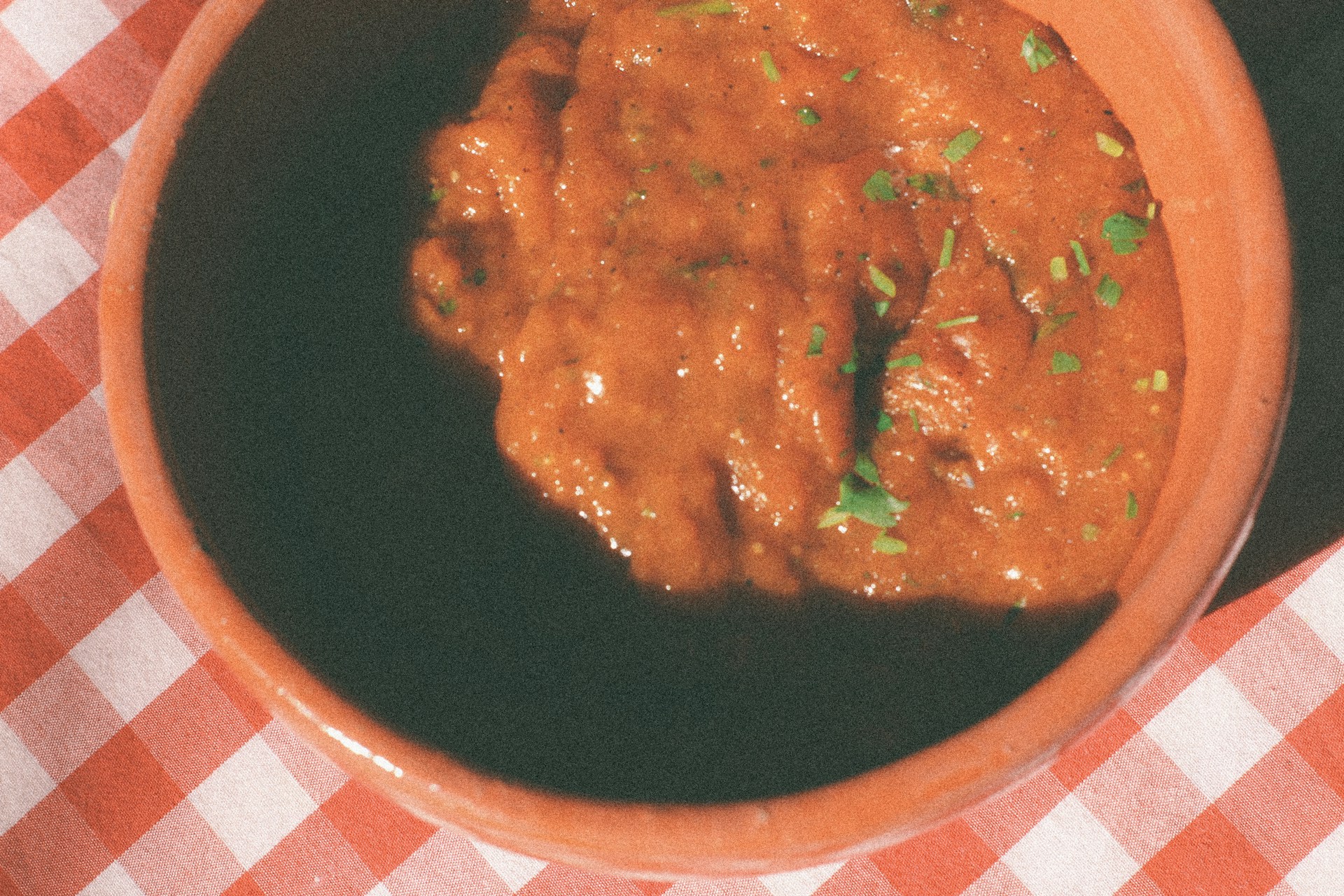

Mexico's culinary heritage boasts countless treasures, but few dishes command as much reverence as mole. This complex, deeply flavorful sauce represents the pinnacle of Mexican gastronomy, combining indigenous ingredients with colonial influences to create something truly magical. From the smoky depths of Oaxaca's mole negro to the celebrated richness of Puebla's mole poblano, these traditional sauces tell stories of cultural fusion, family traditions, and culinary artistry that spans generations. Today, Mexican-American communities across the United States continue to honor these time-honored recipes while adapting to local ingredients and modern kitchens.
The Cultural Heart of Mole in Mexican Tradition
Mole sauce is a good representation of Mexican cooking and cultural identity. The word "mole" derives from the Nahuatl word "molli," meaning sauce or concoction, highlighting its pre-Columbian roots. These complex sauces traditionally require dozens of ingredients, including various chiles and spices, as well as chocolate, nuts, and seeds, each contributing to layers of flavor that can take days to develop properly.

Welcome to United Tribes
Where Mexican Culture Comes Alive
Join Your Tribe
Connect with your people
Discover Events
Watch parties & festivals
Find Mexican Businesses
Restaurants, markets & more
Earn Crown Credits
Get rewarded for engaging
In Mexican culture, mole preparation often becomes a communal activity, with extended families gathering to toast, grind, and blend ingredients using traditional methods passed down through generations. The sauce holds special significance during important celebrations, religious festivals, and family milestones, much like tamales beyond Christmas serve as cultural touchstones throughout the year.
The preparation of traditional Mexican sauces, such as mole, requires patience, skill, and a deep understanding of cultural traditions. Master cooks, often matriarchs of Mexican families, guard their secret ingredient combinations and techniques, ensuring that each family's mole carries its own distinct character and history.
Regional Mole Varieties and Their Unique Characteristics
Oaxaca's Mole Negro
Oaxaca, often referred to as Mexico's culinary capital, produces some of the most complex mole varieties in the country. Mole negro stands as the region's crown jewel, incorporating over 30 ingredients, including chilhuacles negros, mulato chiles, and hoja de aguacate. This dark, rich sauce requires expert balancing of bitter chocolate, sweet dried fruits, and smoky chiles to achieve its signature depth.
The preparation process can span several days, with each ingredient receiving individual attention through toasting, grinding, and careful incorporation. Oaxacan families often prepare mole negro for weddings, Day of the Dead celebrations, and other significant cultural events.
Puebla's Mole Poblano
Perhaps the most internationally recognized variety, mole poblano represents Mexico's national dish when paired with turkey. Legend attributes the creation of this sauce to nuns at the Convent of Santa Rosa in Puebla, who supposedly created it to honor a visiting bishop. This Mexican traditional sauce typically includes ancho, mulato, and pasilla chiles, combined with chocolate, sesame seeds, and aromatic spices.
Mole poblano showcases the exquisite blend of indigenous and Spanish colonial ingredients, resulting in a sauce that's both complex and approachable. Its balanced sweetness and moderate heat make it particularly appealing to those new to authentic Mexican cuisine.
Other Notable Regional Variations
Mexican states each contribute their own distinctive interpretations of mole. Mole verde from various regions showcases fresh herbs and green chiles, while mole amarillo brings bright, golden hues through specific chile combinations. Mole coloradito offers a lighter, more approachable introduction to mole flavors, while mole manchamantel incorporates fruits like pineapple and plantains to create unique sweet-savory profiles.
Mexican-American Chefs Preserving Tradition in the USA
Across the United States, Mexican-American chefs and home cooks work diligently to preserve authentic mole-making traditions while adapting to the availability of local ingredients. Many establishments source traditional chiles through specialized importers, ensuring authenticity despite geographical distance from Mexico.
Chef-owned restaurants in cities with large Mexican populations often feature multiple mole varieties on their menus, educating diners about regional differences while honoring family recipes. These culinary ambassadors frequently conduct mole-making workshops, teaching traditional techniques to younger generations who might otherwise lose connection to their cultural roots.
Home cooks within Mexican-American communities often modify traditional recipes by adjusting ingredients to suit accessibility, while maintaining the essential flavor profiles of the original dishes. They might substitute locally available nuts for traditional varieties or adjust spice levels to accommodate family preferences, all while preserving the fundamental character that makes mole special.
Adapting Traditional Recipes with Local Ingredients
The challenge of maintaining authenticity while working with available ingredients has led to creative adaptations throughout Mexican-American communities. Many cooks develop relationships with specialty grocery stores or online suppliers to source authentic chiles, while others experiment with local substitutions that honor traditional flavor profiles.
Modern adaptations might include using local honey instead of piloncillo, or incorporating regional nuts when traditional varieties prove difficult to find. Some innovative cooks blend traditional mole-making techniques with contemporary kitchen equipment, using food processors alongside traditional molcajetes to achieve proper textures and consistency.
These adaptations don't diminish the cultural significance of mole; instead, they demonstrate the dynamic nature of culinary traditions as they travel and evolve. Just as chiles en nogada represents specific regional Mexican flavors, adapted mole recipes reflect the Mexican-American experience of maintaining cultural identity while embracing new environments.
Celebrating Mole in Modern Mexican-American Communities
Contemporary Mexican-American celebrations often center around traditional foods that connect families to their heritage. Mole preparation becomes an opportunity for cultural transmission, with older generations teaching younger family members not only recipes but also stories, techniques, and cultural values embedded within the cooking process.
Many communities organize mole festivals and competitions, celebrating both traditional preparation methods and innovative interpretations of this dish. These events strengthen cultural bonds while introducing broader audiences to the complexity and artistry of authentic Mexican cuisine, creating experiences as rich and varied as a fiesta in a bowl celebrations throughout the year.
The growing appreciation for artisanal, complex flavors in American cuisine has created new opportunities for Mexican cooks to share their mole expertise with diverse audiences, building cultural bridges through food while maintaining the integrity of traditional practices.
Preserving Mole's Cultural Legacy
The magnificent tradition of mole-making continues to thrive within Mexican-American communities across the United States, demonstrating the enduring power of culinary heritage to maintain cultural connections across borders and generations. From the complex depths of Oaxacan mole negro to the celebrated richness of mole poblano, these traditional Mexican sauces embody family histories, regional pride, and the beautiful fusion of indigenous and colonial influences that defines Mexican cuisine.
As Mexican-American chefs and home cooks continue adapting these time-honored recipes to local ingredients and modern kitchens, they ensure that the magic of mole remains alive and accessible to future generations.
Through community celebrations, family gatherings, and restaurant offerings, the art of mole-making strengthens cultural bonds while introducing new audiences to the incredible complexity and artistry of authentic Mexican gastronomy. Visit United Tribes today and discover more about Mexican culture and community celebrations that keep these rich traditions alive.
Make United Tribes Your Preferred Source
Add United Tribes on Google to get the latest stories, cultural updates, and community events directly in your Google Search and Top Stories.


