
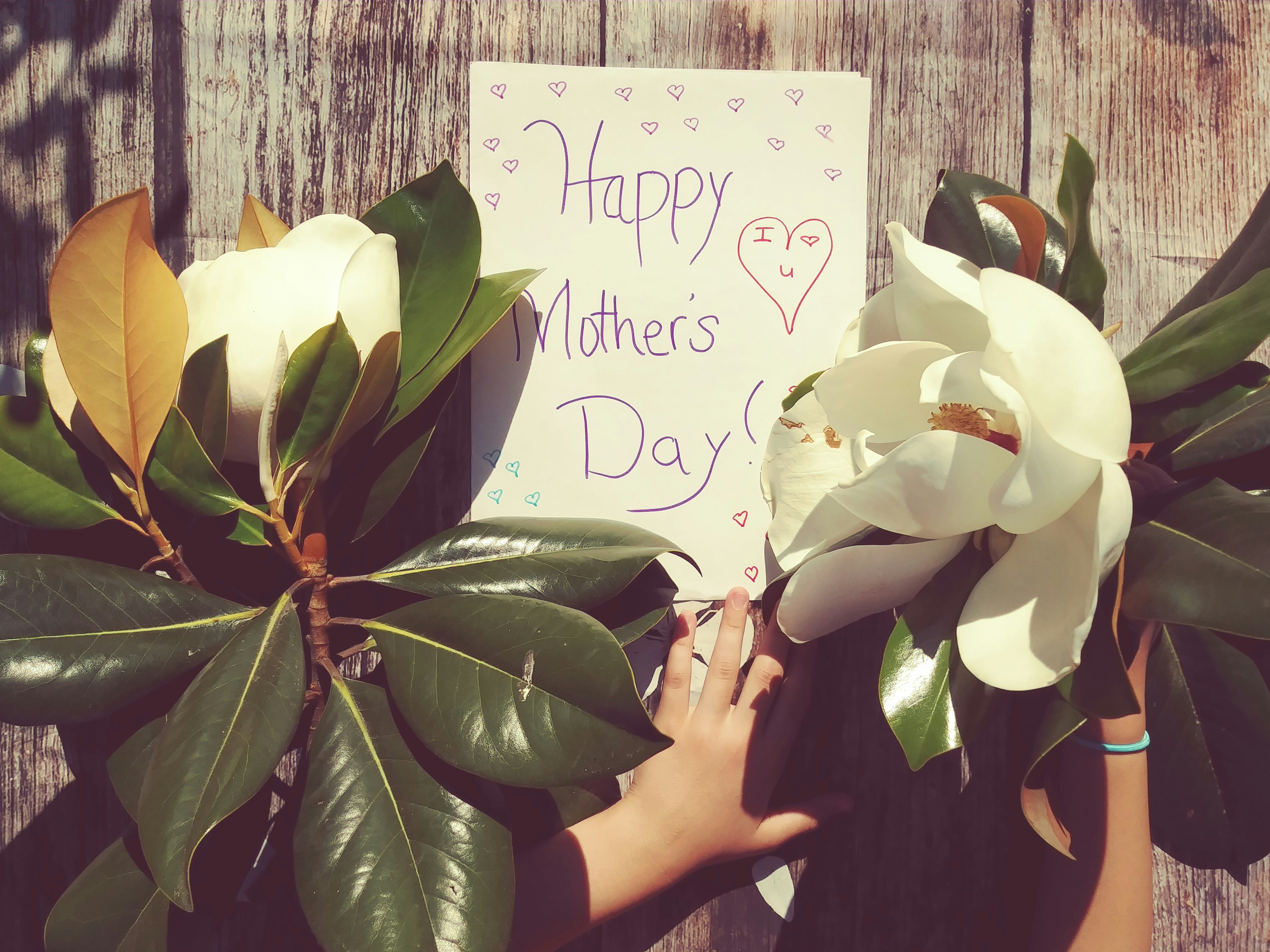

Mother's Day presents a beautiful opportunity for Filipino families across America to showcase the deep reverence and love they hold for their mothers, or Nanay. This celebration goes far beyond the traditional American observance, weaving together centuries-old Filipino customs with modern American traditions to create something uniquely Filipino-American.

Welcome to United Tribes
Where Filipino Culture Comes Alive
Join Your Tribe
Connect with your people
Discover Events
Watch parties & festivals
Find Filipino Businesses
Restaurants, markets & more
Earn Crown Credits
Get rewarded for engaging
The way Filipino families approach Mother's Day reflects the profound cultural value of utang na loob, the debt of gratitude that children owe their parents, particularly their mothers. This concept transforms the simple act of gift-giving into a meaningful expression of lifelong appreciation and respect that extends across multiple generations living under one roof.
The Sacred Role of Nanay in Filipino Households
In Filipino culture, mothers hold a position of unparalleled respect and authority within the family structure. Nanay isn't just a term of endearment; it represents the cornerstone of Filipino family life. She serves as the primary decision-maker for household matters, the keeper of cultural traditions, and often the financial manager who ensures the family's needs are met both in America and back home in the Philippines.
Filipino family traditions and celebrations always center around acknowledging this central role. Unlike the more individualistic approach often seen in American Mother's Day celebrations, Filipino families view this day as an opportunity to reinforce the collective family bond while specifically honoring the woman who maintains these connections.
The reverence extends beyond biological mothers to include lolas (grandmothers), titas (aunts), and even older sisters who have taken on maternal roles. This inclusive approach to Nanay appreciation reflects the Filipino concept of extended family responsibility and care.
Traditional Filipino Mother's Day Customs Adapted for American Life
Pagmamano and Morning Blessings
The day typically begins with pagmamano, the traditional Filipino gesture of respect, where children take their mother's hand and gently press it to their forehead while saying "Mano po, Nanay." This ritual, adapted for American homes, often takes place before the family gathers for their special Mother's Day meal.
Many Filipino-American families have modified this tradition to include a formal blessing in which children, regardless of age, express their gratitude in both English and Filipino. Adult children often travel long distances to perform this ritual in person, recognizing its deep cultural significance.
The Art of Harana and Musical Tributes
Some families maintain the tradition of harana - serenading Nanay with Filipino love songs or hymns. In American neighborhoods, this might be adapted for indoor performances, with family members singing classic Filipino songs like "Dahil Sa Iyo" or "Ikaw" accompanied by guitar or piano.
The Filipino Mother's Day Feast: A Culinary Celebration
The heart of any Filipino Mother's Day traditions lies in the elaborate feast prepared in honor of Nanay. Unlike typical American celebrations, where mothers are often taken out to restaurants, Filipino families frequently gather at home to prepare and share traditional dishes that carry deep emotional and cultural significance.
Traditional Dishes and Their Meanings
The menu typically features dishes that represent comfort, abundance, and family unity. Lechon or lechon kawali often serves as the centerpiece, symbolizing celebration and prosperity. Adobo, considered by many to be the Philippines' national dish, embodies the preservation of tradition and the complexity of Filipino flavors.
Lumpia preparation becomes a family activity where multiple generations work together, with Nanay often supervising while sharing stories and cooking wisdom. This collaborative cooking process reinforces family bonds while ensuring that traditional recipes and techniques are passed down to younger generations.
Sweet treats like bibingka, ube halaya, and leche flan are prepared with extra care, often using recipes passed down through generations. These Filipino comfort foods serve not only as desserts but as edible connections to Philippine heritage.
Modern Adaptations in American Kitchens
Filipino-American families often blend traditional recipes with locally available ingredients, creating fusion dishes that honor both cultures. Some families incorporate American Mother's Day traditions like brunch items alongside traditional Filipino breakfast dishes such as tapsilog or longsilog.
The preparation of these meals often begins days in advance, with family members coordinating schedules to ensure everyone contributes to the celebration. This collaborative effort reflects the Filipino value of bayanihan - community spirit and cooperation.
Gift-Giving Traditions: Beyond Material Offerings
Filipino Mother's Day celebrations emphasize gifts that demonstrate respect, practicality, and thoughtfulness rather than expensive items. Traditional gifts often include religious items such as rosaries or medallions, reflecting the deep Catholic faith prevalent in Filipino culture.
Practical and Meaningful Presents
Many Filipino children present their mothers with pasalip - money intended for personal use or to send back to relatives in the Philippines. This practical gift acknowledges Nanay's role as a provider and her connections to extended family overseas.
Jewelry, particularly gold items, remains popular as it represents lasting value and can be passed down through generations. Simple gold necklaces, earrings, or bracelets carry significance beyond their monetary worth.
Service-Based Gifts and Acts of Devotion
Perhaps more valued than material gifts are acts of service and devotion. Adult children often commit to taking over household responsibilities for the day, allowing Nanay to rest and be pampered. This might include cleaning, cooking, or handling errands that she typically manages. Some families organize novenas or special prayer sessions dedicated to thanking God for their mother's health and guidance.
Intergenerational Celebrations and Cultural Transmission
Filipino Mother's Day celebrations serve as important opportunities for intergenerational cultural transmission. Lolas (grandmothers) often share stories about Mother's Day celebrations in the Philippines, helping younger family members understand the evolution of these traditions.
Storytelling and Oral History
The day often includes formal or informal storytelling sessions in which Nanay and Lola recount family history, immigration stories, and memories from the Philippines. These narratives help preserve family heritage while strengthening cultural identity among Filipino-American children who may feel disconnected from their ancestral homeland.
Teaching Traditional Values
Mothers use this special day to reinforce important Filipino values like galang (respect), malasakit (compassion), and pamilya (family loyalty). These lessons often come through example as families observe how different generations interact and show respect to their elders.
Community Celebrations and Church Observances
Many Filipino-American communities organize special Mother's Day masses or community gatherings that complement family celebrations. These events, like how families adapt Filipino celebrations, often feature traditional Filipino music, children's dance performances, and communal prayers for mothers.
Parish and Community Center Events
Filipino Catholic communities frequently organize special Flores de Mayo celebrations that coincide with Mother's Day, combining Marian devotion with maternal appreciation. These events feature flower offerings, traditional Filipino hymns, and community fellowship, extending the family celebration to the broader Filipino-American community.
Preserving Heritage Through Maternal Honor
Filipino Mother's Day traditions represent far more than a single day of celebration; they embody the continuation of cultural values, family bonds, and spiritual connections that define Filipino-American identity. These time-honored customs of appreciation serve as bridges between generations and cultures. The blend of traditional pagmamano, elaborate feasts, and heartfelt expressions of gratitude creates celebrations that honor both heritage and adaptation.
Through careful attention to cultural customs, food preparation, and intergenerational respect, Filipino families create Mother's Day celebrations that truly reflect the depth of Filipino family traditions. Visit United Tribes today to learn more about Filipino culture and community celebrations.
Make United Tribes Your Preferred Source
Add United Tribes on Google to get the latest stories, cultural updates, and community events directly in your Google Search and Top Stories.


