
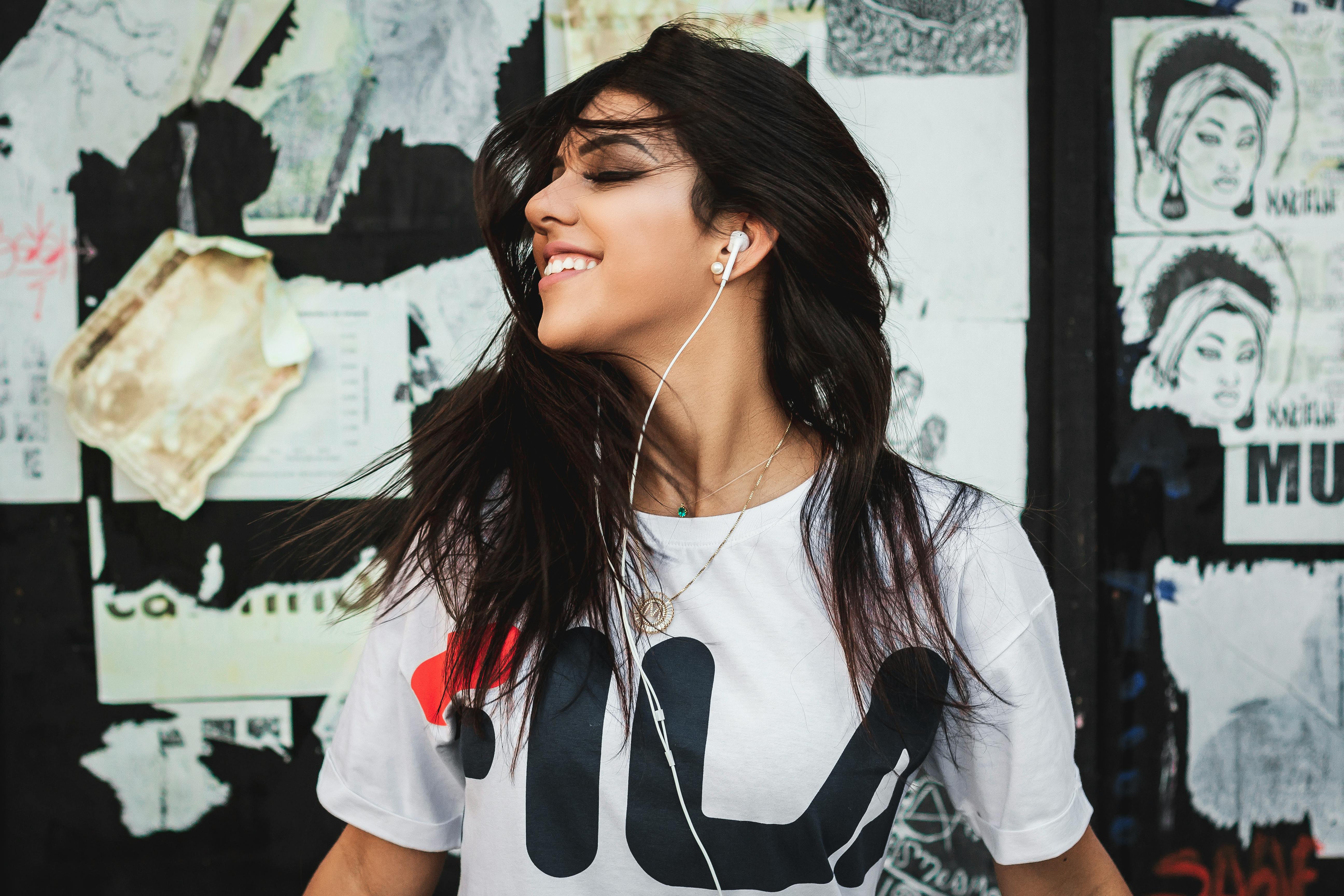

The American musical landscape has always been a vibrant tapestry woven from countless cultural threads, but today's music trends represent something unprecedented. As digital platforms break down geographical barriers and multicultural communities flourish across the United States, we're witnessing an extraordinary phenomenon where generational fusion meets cultural innovation. From hip-hop beats infused with traditional Indian tabla rhythms to reggaeton tracks sampling classic soul melodies, American music is evolving into a powerful force that transcends age, ethnicity, and traditional genre boundaries.

Welcome to United Tribes
Where American Culture Comes Alive
Join Your Tribe
Connect with your people
Discover Events
Watch parties & festivals
Find American Businesses
Restaurants, markets & more
Earn Crown Credits
Get rewarded for engaging
The Rise of Cross-Cultural Collaboration
Today's American music scene thrives on collaboration among artists from diverse backgrounds, creating unprecedented opportunities for cultural exchange. These partnerships go beyond surface-level sampling, diving deep into the emotional and spiritual essence of different musical traditions. Artists are not just borrowing sounds; they're creating genuine dialogue between cultures through their craft.
The digital age has facilitated these collaborations in unprecedented ways. Producers can now work with traditional musicians from around the world, sampling authentic instruments and vocals to create hybrid sounds that honor original traditions while appealing to modern audiences. This approach has given rise to entirely new subgenres that defy traditional categorization.
Streaming platforms have become crucial catalysts in this movement, allowing artists to reach global audiences instantly while enabling listeners to discover music they might never have encountered through traditional radio or record store browsing. These platforms' algorithm-driven recommendations often create surprising connections between seemingly unrelated genres, introducing listeners to new cultural experiences through music they already enjoy.
Generational Bridges Through Modern Soundscapes
One of the most remarkable aspects of current music trends is how they're creating unexpected connections between different age groups within cultural communities. Elderly immigrants who once felt disconnected from their grandchildren's musical tastes now find familiar melodies and rhythms embedded in contemporary productions. At the same time, younger generations gain a new appreciation for their cultural heritage through these modern interpretations.
Traditional instruments are experiencing a renaissance as young producers incorporate them into cutting-edge productions. The Indian tabla, Middle Eastern oud, African djembe, and countless other instruments are finding new life in genres ranging from electronic dance music to alternative rock. This trend allows older community members to hear their cultural sounds in fresh contexts while educating younger listeners about the richness of their heritage.
The phenomenon extends beyond just musical instruments to include vocal techniques, scales, and melodic structures from various traditions. Young artists are studying classical Indian ragas, Arabic maqams, and other traditional musical systems, then applying these concepts to create entirely new harmonic landscapes that bridge ancient wisdom with contemporary innovation.
Language blending has become another powerful tool for generational fusion. Songs that seamlessly transition between English and heritage languages create inclusive experiences where monolingual family members can enjoy the same music together, each connecting with different elements of the composition.
Technology's Role in Cultural Music Preservation
Modern technology serves a dual purpose in today's musical evolution: it enables unprecedented creative possibilities while simultaneously preserving traditional musical knowledge for future generations. Digital archives now capture not just the sounds of traditional music but also the stories, techniques, and cultural contexts that give these musical traditions their deeper meaning.
Artificial intelligence and machine learning are opening new frontiers in musical fusion. Advanced software can analyze the mathematical patterns underlying different musical traditions, helping producers create authentic-sounding combinations that respect the integrity of source materials while enabling creative innovation. These tools are particularly valuable for artists who want to incorporate elements from musical traditions they didn't grow up with, ensuring cultural sensitivity in their creative process.
Virtual reality and immersive audio technologies are creating new ways for people to experience traditional music, allowing listeners to virtually attend ceremonies, concerts, and cultural events from around the world. These experiences help maintain cultural connections among diaspora communities while introducing others to the rich ceremonial and social contexts surrounding traditional music.
The democratization of music production tools has empowered artists from underrepresented communities to create professional-quality recordings from home studios, reducing the traditional barriers that once limited access to the music industry. This shift has led to an explosion of diverse voices in American music, each contributing unique cultural perspectives to the national conversation.
Cultural Identity in Contemporary Music Scenes
Music has always been a powerful vehicle for expressing and exploring cultural identity, but today's artists are navigating this territory with unprecedented sophistication. Rather than choosing between assimilation and cultural preservation, many musicians are creating works that celebrate their complex, multicultural American identities in all their nuanced glory.
Second and third-generation immigrants often use music to explore questions of belonging and identity that their communities face. Their songs blend the musical traditions their grandparents brought to America with the sounds of the neighborhoods where they grew up, creating sonic autobiographies that reflect the beautiful complexity of the modern American experience.
Community festivals and cultural celebrations have become crucial venues for showcasing these innovative musical fusions. These events provide spaces in which traditional and contemporary sounds coexist, allowing communities to celebrate their heritage while embracing evolution and change. Local music scenes in diverse cities like Los Angeles, New York, Houston, and Chicago are becoming laboratories for cultural fusion, where artists experiment with combinations that reflect their neighborhoods' multicultural realities.
The rise of independent music venues that specifically cater to multicultural audiences has created new opportunities for fusion artists to develop their sound and build audiences. These spaces recognize that their patrons seek more than entertainment; they want cultural connection and community building through shared musical experiences.
Language and Music in American Cultural Evolution
The relationship between language and music in America's evolving cultural landscape offers insights into how communities maintain their heritage while embracing their American identity. Songs that incorporate multiple languages aren't just creative choices; they're powerful statements about the multicultural reality of modern American life.
Artists are also experimenting with code-switching in their lyrics, reflecting the natural way many multicultural Americans communicate in their daily lives. These songs validate the linguistic experiences of millions of Americans who navigate between languages depending on their social context, family situation, or emotional state.
Storytelling traditions from various cultures are being adapted into contemporary song formats, preserving important cultural narratives while making them accessible to new audiences. These musical stories often address universal themes of family, migration, identity, and belonging that resonate across cultural boundaries while maintaining their specific cultural authenticity.
The emergence of bilingual music education programs in schools reflects growing recognition that America's musical future will be inherently multicultural. Young musicians are learning to appreciate and perform music from various traditions, creating a generation that's fluent in multiple musical languages and comfortable with cultural fusion as a natural form of artistic expression.
America's Musical Future Unfolds
As American music continues to evolve through multicultural influences, it creates spaces where all Americans can find pieces of themselves reflected in the national soundtrack. Whether through traditional instruments in modern productions, multilingual lyrics that honor diverse linguistic heritage, or festival collaborations that bring communities together, music serves as both a mirror and a map for America's cultural journey.
Visit United Tribes today and discover how diverse musical communities across America are preserving their heritage while shaping the future of American culture through innovative artistic expression.
Make United Tribes Your Preferred Source
Add United Tribes on Google to get the latest stories, cultural updates, and community events directly in your Google Search and Top Stories.


