
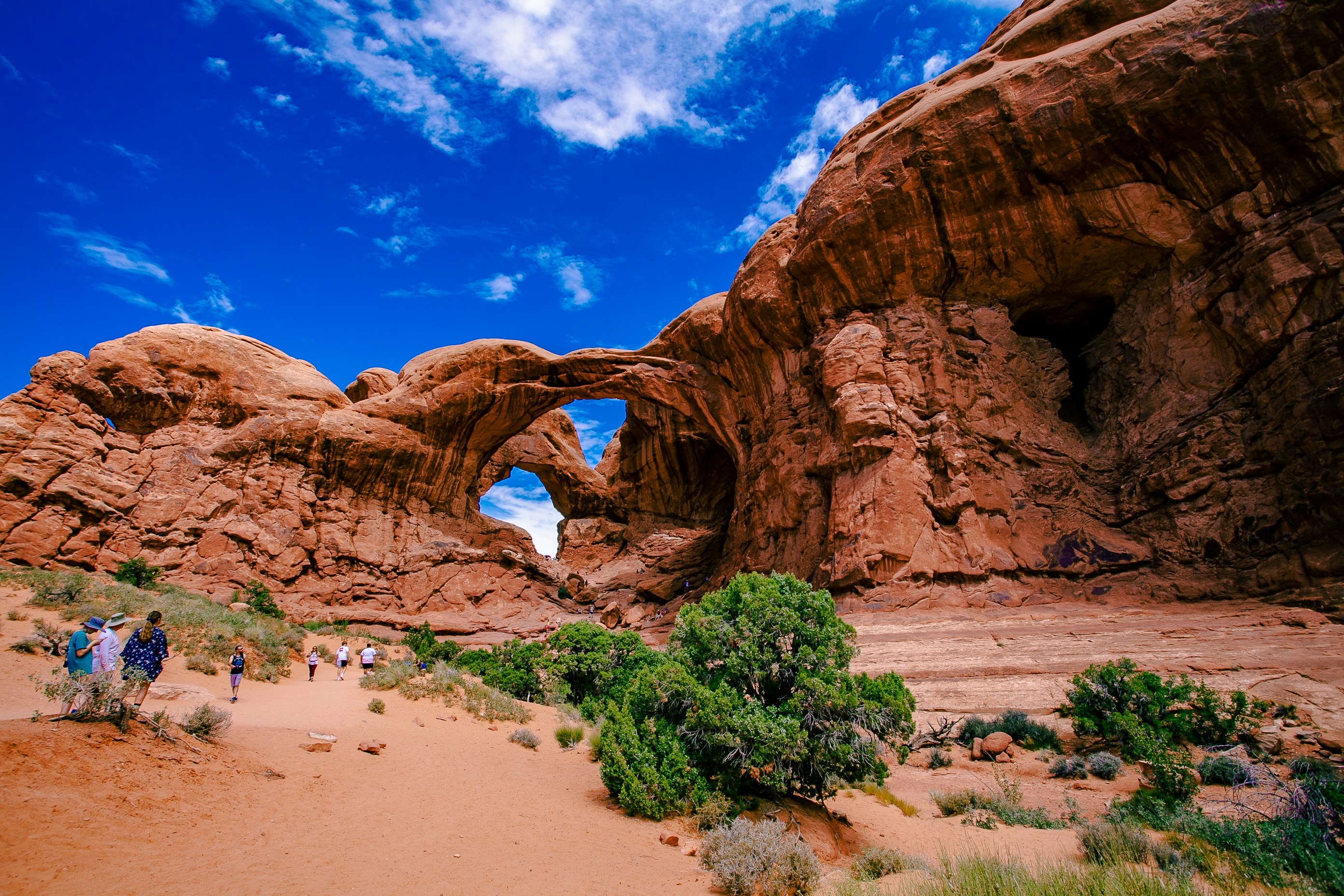

Every April, millions of Americans participate in one of the nation's most cherished traditions: National Parks Week. This annual celebration represents more than just a week-long event—it embodies the deep-rooted American values of environmental stewardship, family bonding, and community engagement that have shaped the country's relationship with its natural heritage for generations. As spring breathes new life into the landscape, families across all 50 states venture into national parks, creating lasting memories while participating in activities that strengthen both their connection to nature and their local communities.
The Historical Roots of American Outdoor Traditions
U.S. outdoor traditions trace their origins back to the early conservation movement of the late 19th and early 20th centuries. The establishment of Yellowstone as the world's first national park in 1872 marked the beginning of a uniquely American approach to preserving natural landscapes for public enjoyment and education. This pioneering spirit of conservation has become deeply embedded in American culture, influencing how families plan their recreational activities and pass down values about environmental responsibility.

Welcome to United Tribes
Where American Culture Comes Alive
Join Your Tribe
Connect with your people
Discover Events
Watch parties & festivals
Find American Businesses
Restaurants, markets & more
Earn Crown Credits
Get rewarded for engaging
The formal recognition of National Parks Week began in the 1990s as a way to encourage Americans to explore their public lands during the optimal spring season. April was chosen specifically because it represents renewal and growth, and it is the perfect time for spring national park visits, when weather conditions are ideal for outdoor activities across most of the United States.
Throughout the decades, this celebration has grown to encompass not just the 63 official national parks, but also national monuments, historical sites, and recreation areas managed by the National Park Service.
Family Traditions and Generational Connections
Spring national park visits have become a cornerstone of American family traditions, with many households planning their annual trips around National Parks Week activities. These excursions serve multiple purposes: they provide opportunities for family bonding away from digital distractions, create educational experiences for children, and allow parents to share their own childhood memories of outdoor adventures.
Typical family activities during this week include guided nature walks, junior ranger programs, and evening campfire talks that combine entertainment with environmental education. Many families establish annual traditions around specific parks, returning year after year to favorite camping spots or hiking trails.
The American nature celebrations that occur during this week often involve multi-generational participation, with grandparents sharing their knowledge of local wildlife and plant species while younger family members document their experiences through photography and nature journaling.
Building Community Through Shared Experiences
National Parks Week catalyzes community building, both within individual families and among strangers who share camping areas and trail experiences. The shared challenges of outdoor living—setting up tents, cooking over campfires, and navigating hiking trails—create natural opportunities for conversation and mutual assistance, strengthening social bonds.
Many communities organize group trips to national parks during this week, with schools, churches, and civic organizations coordinating educational excursions that introduce participants to new environments while building relationships within their local communities.
Volunteer Activities and Environmental Stewardship
One of the most significant aspects of National Parks Week 2026 involves the extensive volunteer opportunities that allow Americans to actively contribute to the preservation and maintenance of their public lands. The National Park Service coordinates thousands of volunteer projects during this week, ranging from trail maintenance and habitat restoration to educational program assistance and visitor center support.
Volunteer trail maintenance represents one of the most popular activities, where families work together to clear debris, repair erosion damage, and install new trail markers. These projects provide tangible ways for participants to give back to the parks while learning about the ongoing challenges of maintaining vast wilderness areas with limited federal funding.
Habitat restoration projects offer opportunities for volunteers to participate in more specialized conservation work, such as removing invasive plant species, planting native vegetation, and creating wildlife-friendly environments. These activities often require coordination with park biologists and provide educational opportunities about local ecosystems and conservation science.
Educational Program Support
Many volunteers choose to support the educational aspects of U.S. outdoor traditions by assisting with junior ranger programs, nature interpretation, and visitor orientation services. These roles allow community members to share their knowledge and enthusiasm for outdoor recreation while helping park staff manage the increased visitor volume during National Parks Week.
Volunteer opportunities also extend to cultural and historical interpretation, particularly at parks that preserve significant events in American history. Volunteers help maintain historical accuracy while making these stories accessible to diverse audiences, ensuring that the full complexity of American heritage gets represented in park programming.
Regional Variations and Cultural Celebrations
American nature celebrations during National Parks Week reflect the incredible diversity of landscapes and cultural traditions found across the United States. Western states often emphasize wilderness camping and backcountry hiking, taking advantage of vast open spaces and dramatic geological formations. These celebrations frequently include traditional campfire cooking, star-gazing events, and wildlife observation activities that connect participants with the frontier spirit that shaped American expansion.
Eastern national parks tend to focus more on historical interpretation and cultural preservation, with many events combining natural history with stories of early American settlement, Native American heritage, and industrial development. These programs help participants understand how human activity has shaped the landscape while highlighting ongoing conservation efforts.
Southern regions often incorporate unique cultural elements into their National Parks Week celebrations, including traditional music performances, heritage craft demonstrations, and foods that reflect regional traditions.
The Pacific Northwest emphasizes environmental education and sustainability, with many events focusing on climate change impacts, renewable energy, and sustainable recreation.
Spring Awakening and Natural Phenomena
The timing of spring national park visits during National Parks Week allows participants to witness some of nature's most spectacular seasonal transformations. April represents peak migration season for many bird species, providing exceptional wildlife viewing opportunities that attract both amateur and serious birdwatchers to parks across the country.
Wildflower blooms reach their peak in many regions during April, creating spectacular displays that draw photographers and nature enthusiasts from around the world. Desert parks showcase brilliant cactus flowers, while mountain meadows burst with early spring blooms that have inspired American artists and writers for generations.
Spring weather patterns during this time create ideal conditions for outdoor activities, with moderate temperatures and longer daylight hours that maximize opportunities for exploration and recreation. The seasonal timing also allows families to avoid the extreme heat of summer camping while enjoying comfortable conditions for hiking and outdoor cooking.
Wildlife Activity and Educational Opportunities
Spring is a particularly active time for wildlife in most ecosystems, with many species engaged in mating behaviors, nest building, and territory establishment, providing exceptional educational opportunities for park visitors. Rangers often schedule special programs around these natural phenomena, helping participants understand animal behavior while maintaining appropriate distances for both safety and conservation.
Baby animals born in the spring create additional excitement for family visitors, though park education emphasizes the importance of observing wildlife from respectful distances.
Economic Impact and Community Development
U.S. outdoor traditions associated with National Parks Week generate significant economic benefits for communities located near national parks. Local businesses, including restaurants, hotels, and outdoor equipment retailers, experience increased revenue during this week as millions of visitors travel to participate in park activities.
Rural communities particularly benefit from this annual celebration, as many national parks are located in areas with limited economic opportunities. The influx of visitors during National Parks Week provides crucial revenue for small businesses while supporting employment in hospitality, guiding, and retail sectors.
Local artisans and craftspeople often participate in park events, selling handmade goods that reflect regional traditions and provide authentic souvenirs for visitors. These economic relationships help preserve traditional crafts while creating sustainable income opportunities for community members.
Preserving America's Natural Heritage Together
Through volunteer activities, family traditions, and educational programs, Americans use this annual celebration to reinforce their collective responsibility for protecting public lands and to pass down essential outdoor skills and environmental awareness to younger generations. The success of National Parks Week reflects the enduring power of natural spaces to unite people across cultural and geographic boundaries, creating shared experiences that strengthen both individual families and broader communities.
Visit United Tribes today to learn more about American culture and community celebrations that bring people together in meaningful ways throughout the year.
Make United Tribes Your Preferred Source
Add United Tribes on Google to get the latest stories, cultural updates, and community events directly in your Google Search and Top Stories.


