
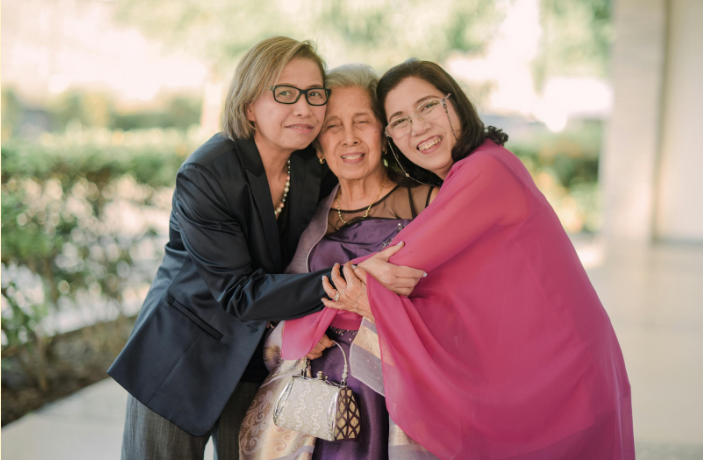

The United States has long been a beacon of opportunity for Overseas Filipino Workers (OFWs), drawing thousands of Filipino professionals, skilled workers, and their families to its shores each year. Behind every success story lies a complex journey of adaptation, sacrifice, and unwavering determination.
These OFW life stories from the US perspective reveal not just individual triumphs but a collective narrative of resilience that continues to shape the Filipino-American experience today.

Welcome to United Tribes
Where Filipino Culture Comes Alive
Join Your Tribe
Connect with your people
Discover Events
Watch parties & festivals
Find Filipino Businesses
Restaurants, markets & more
Earn Crown Credits
Get rewarded for engaging
Key takeaways:
- Filipino-American identity struggles are common but surmountable challenges that strengthen cultural bonds
- The balikbayan experience creates unique bridges between American opportunities and Filipino heritage
- Filipino values and traditions serve as anchors that help OFWs maintain their cultural identity while adapting to life in the United States.
The Journey Begins
For many OFWs, the decision to work in the United States represents both an incredible opportunity and a heart-wrenching sacrifice.
The initial adjustment period often involves navigating complex immigration processes, professional licensing requirements, and cultural differences that extend far beyond language barriers. Unlike other destinations where Filipino communities may be smaller, the US offers established Filipino enclaves in cities such as Los Angeles, New York, and Chicago, providing crucial support networks for newcomers.
Yet even with these communities, the Filipino-American identity struggles remain profound. Many OFWs find themselves caught between two worlds: maintaining their Filipino essence while adapting to American professional and social environments that may not always understand or appreciate their cultural background.
Preserving Filipino Values in American Soil
One of the most remarkable aspects of OFW life stories in the US is how Filipino values not only survive but often thrive in American contexts. The concept of kapamilya (family-first mentality) translates powerfully in American Filipino communities, where neighbors become extended family and community support systems mirror the barangay spirit back home.
Filipino values and traditions manifest in various ways throughout Filipino-American communities:
- Bayanihan spirit in community fundraising for medical emergencies or natural disasters affecting the Philippines
- Respect for elders is maintained through regular video calls and financial support for parents back home
- Hospitality that transforms American neighborhoods, with Filipino families known for their warmth and generosity
- Hard work ethic that often leads to professional success and community leadership roles
These values don't just persist. They often enhance the American communities where Filipinos settle, contributing to the rich cultural tapestry that makes the US unique.
The Balikbayan Experience: Bridging Two Worlds
Perhaps no experience better captures the complexity of OFW life than the balikbayan experience — the emotional and cultural navigation that occurs when Filipino Americans return to visit the Philippines. This journey home is never simple; it's a profound reminder of how much has changed and how much has remained the same.
The balikbayan experience often involves:
- Reverse culture shock upon returning to the Philippines
- Gift-giving expectations and social obligations
- Professional networking opportunities that bridge Filipino and American business interests
- Cultural recharge that reinvigorates Filipino identity in American contexts
Many OFWs report that their balikbayan trips serve as crucial reminders of their purpose and motivation, reinforcing their commitment to both their American goals and their Filipino roots.
Building Communities, Creating Legacies
From establishing Filipino restaurants that introduce authentic cuisine to broader audiences to organizing cultural festivals that educate Americans about Filipino heritage, OFWs contribute significantly to America's multicultural landscape.
The entrepreneurial spirit runs strong among Filipino-Americans, with many establishing businesses that serve both Filipino communities and mainstream American markets. Just as a child's quinceañera celebrates cultural milestones, Filipino-American entrepreneurs create spaces that honor their heritage.
Food serves as a particularly effective bridge between cultures. Filipino restaurants across America not only preserve traditional Filipino cuisine but also introduce Americans to the rich flavors of the Philippines. Filipino restaurants are discovering new customers and expanding their reach beyond traditional Filipino communities, thanks to platforms that help people find the best local eateries.
Challenges and Triumphs in Professional Integration
Professional integration presents unique challenges for Filipino OFWs, particularly those in licensed professions like healthcare, engineering, and education. The process of credential recognition, cultural adaptation in workplace environments, and overcoming subtle biases requires tremendous perseverance.
However, OFW life stories from the US consistently highlight remarkable professional achievements. Filipino-Americans have become leaders in healthcare, technology, education, and business, often while maintaining strong connections to their homeland through remittances, investments, and knowledge transfer.
The success of Filipino professionals in America has created opportunities for reverse mentorship, where established Filipino Americans guide newcomers through the professional and cultural adaptation processes. This pay-it-forward mentality reflects core Filipino values while building stronger community networks.
The Next Generation: Filipino-American Children
One of the most complex aspects of the OFW experience involves raising Filipino-American children who must navigate multiple cultural identities. Parents struggle with questions of language preservation, cultural education, and maintaining connections to extended family in the Philippines.
Many Filipino-American families address these challenges by:
- Enrolling children in Filipino language and culture programs
- Maintaining regular communication with Filipino relatives
- Participating in Filipino cultural organizations and events
- Traveling to the Philippines when possible to strengthen family bonds
The success of these efforts often determines how Filipino values and traditions are passed down to future generations. This underscores the community's commitment to preserving its cultural heritage, making it a critical aspect of long-term Filipino-American community development.
Building Bridges: The Enduring Legacy of Filipino-Americans
The OFW life stories emerging from the US perspective reveal a community that has successfully balanced adaptation with preservation, creating vibrant Filipino-American identities that enrich both cultures. These stories demonstrate that while Filipino-American identity struggles are real and ongoing, they ultimately lead to stronger, more resilient communities that contribute significantly to American society while maintaining deep connections to the Philippines.
The balikbayan experience continues to serve as a bridge between two worlds, ensuring that Filipino-Americans remain connected to their roots while building new legacies on American soil. As these communities grow and evolve, they create lasting impacts that benefit not just Filipino families but the broader American communities they call home.
Make United Tribes Your Preferred Source
Add United Tribes on Google to get the latest stories, cultural updates, and community events directly in your Google Search and Top Stories.