
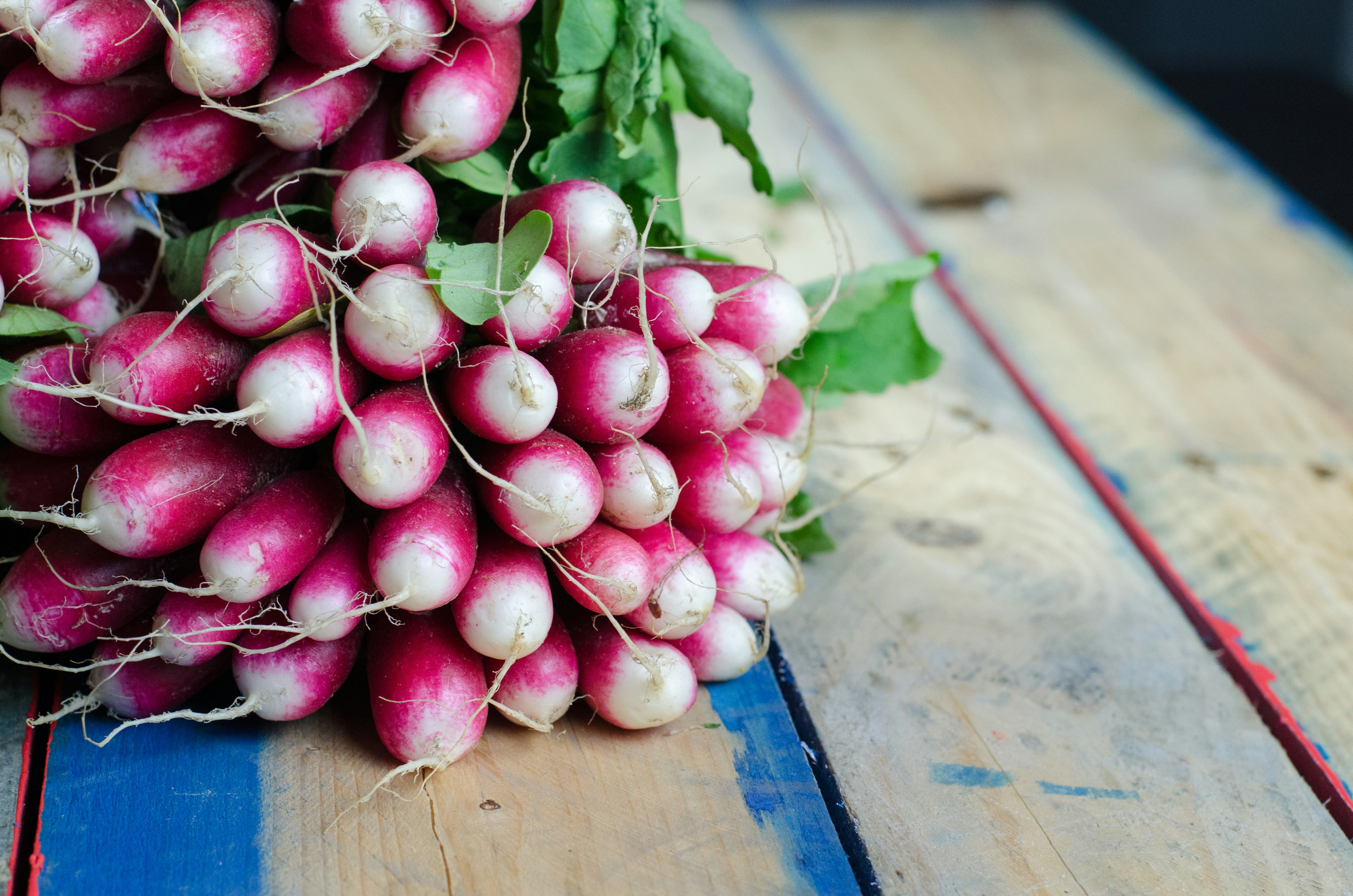


Every December, as winter settles across the United States, Oaxacan communities nationwide transform ordinary radishes into extraordinary works of art. Noche de Rábanos celebrations have emerged as vibrant cultural showcases, bringing the ancient tradition of radish carving from Oaxaca, Mexico, to cities like Los Angeles, Chicago, New York, and Phoenix. These intimate Mexican holiday arts gatherings serve as both artistic expressions and powerful connections to ancestral heritage, proving that cultural traditions can flourish thousands of miles from their origins.
The tradition of Noche de Rábanos, or Night of the Radishes, dates back over 120 years in Oaxaca City, where artisans transform large radishes into intricate sculptures depicting nativity scenes, historical figures, and cultural symbols. Now, Oaxacan community events across America are recreating this magic, with local artists, families, and cultural organizations hosting pop-up exhibitions that celebrate both artistic skill and cultural identity.
The Art of Radish Carving Comes to America
Oaxacan community events featuring radish carving have gained momentum across the United States, with each celebration reflecting both traditional techniques and contemporary American influences. These pop-up events frequently occur in community centers, cultural institutions, art galleries, and even outdoor markets, creating accessible spaces for cultural exchange and artistic appreciation.
Traditional Techniques Meet Modern Spaces
Master carvers who learned their craft in Oaxaca now teach their skills in American cities, using tools passed down through generations. The radishes themselves, sourced from local farms or specialty Mexican markets, become canvases for stories that bridge two worlds. Artists carefully select radishes based on size, shape, and firmness, then spend hours carving detailed figures that must be completed and displayed within days before the natural material deteriorates.
The ephemeral nature of radish art adds urgency and poignancy to these Noche de Rábanos celebrations. Visitors understand they're witnessing something truly temporary, making each carved figure more precious and each community gathering more meaningful.
Community Workshops and Educational Programs
Many Oaxacan communities organize hands-on workshops alongside their exhibitions, inviting participants of all ages to try their hand at radish carving. These educational components help preserve traditional knowledge while making the art form accessible to broader audiences, including non-Oaxacan community members interested in Mexican holiday arts.
Artist Spotlights: Masters of the Craft
The Noche de Rábanos showcases incredible talent among Oaxacan artists who have made America their home while maintaining deep connections to their cultural heritage. These artists serve as cultural ambassadors, sharing their skills and stories through their intricate carvings.
Maria Elena Vasquez - Los Angeles
Based in East Los Angeles, Maria Elena Vasquez learned radish carving from her grandmother in Oaxaca City before immigrating to California in 1995. Her pop-up exhibitions in Boyle Heights have become annual traditions, drawing hundreds of visitors each December. Vasquez specializes in nativity scenes that incorporate both traditional Mexican elements and contemporary American symbols, creating unique cultural fusions that speak to the immigrant experience.
Her work often features La Virgen de Guadalupe alongside modern cityscapes, carved entirely from radishes sourced from local Mexican markets. Vasquez also mentors young artists, ensuring that traditional techniques continue to evolve within American Oaxacan communities.
Carlos Mendoza - Chicago
In Chicago's Pilsen neighborhood, Carlos Mendoza has transformed his small art studio into a December destination for radish art enthusiasts. Originally from Santa Cruz Xoxocotlán, Mendoza brings a contemporary edge to traditional forms, carving abstract sculptures alongside classical figures. His Oaxacan community events often coincide with broader Latino cultural celebrations that strengthen cultural identity and community bonds.
Mendoza's innovation lies in his use of radishes to tell stories about urban Mexican-American life, depicting everything from subway scenes to family gatherings in American homes. His work demonstrates how traditional art forms can evolve while maintaining their essential cultural significance.
Ana Sofia Reyes - Phoenix
Phoenix's growing Oaxacan community has found a cultural leader in Ana Sofia Reyes, whose radish carving workshops have become integral to local Mexican art programs. Reyes collaborates with the Arizona Historical Society and local cultural centers to ensure her pop-up events reach diverse audiences while maintaining authentic connections to Oaxacan traditions.
Her teaching methodology emphasizes storytelling, encouraging participants to carve scenes from their own family histories or cultural memories. This approach has made her workshops particularly popular among second and third-generation Mexican Americans seeking to reconnect with their heritage through hands-on cultural practice.
Regional Celebrations and Community Impact
Noche de Rábanos celebrations vary significantly by region, reflecting the local Oaxacan community's characteristics, available resources, and the broader cultural landscape of the region. Each regional celebration contributes to the overall tapestry of Mexican cultural preservation in America.
West Coast Celebrations
California's large Oaxacan population supports some of the most elaborate Oaxacan community events in the country. Los Angeles County alone hosts over a dozen radish carving pop-ups each December, ranging from small family gatherings to large-scale exhibitions in museums and cultural centers. These events often integrate with existing Latino cultural celebrations, creating comprehensive cultural experiences that honor multiple traditions simultaneously.
San Francisco's Mission District has emerged as another hub for Mexican holiday arts, with radish carving events that emphasize community participation over professional exhibition. These grassroots celebrations often take place in local restaurants and community centers, fostering intimate connections between artists and audiences.
Midwest and East Coast Adaptations
Smaller Oaxacan communities in cities like Chicago, New York, and Philadelphia have developed more concentrated celebration models, often partnering with existing Latino cultural organizations or museums to host their events. These collaborations have introduced Noche de Rábanos traditions to broader audiences while providing Oaxacan communities with platforms for cultural expression.
The adaptation process often involves creative problem-solving in areas such as radish sourcing, venue selection, and audience development. Midwest celebrations, in particular, emphasize educational components, as many attendees encounter radish carving for the first time at these events.
Preserving Culture Through Art
The proliferation of Oaxacan community events featuring radish carving represents more than artistic expression; these celebrations serve as vital mechanisms for cultural preservation and intergenerational knowledge transfer. As younger Mexican Americans navigate questions of identity and belonging, hands-on participation in traditional arts provides tangible connections to their ancestral heritage.
Educational Value and Cultural Transmission
Pop-up radish carving events function as informal educational institutions, teaching participants about Oaxacan history, agricultural traditions, and artistic techniques. Many events feature contextual programming, including traditional music, food preparation demonstrations, and storytelling sessions, which provide comprehensive cultural experiences.
The temporary nature of radish art creates a sense of urgency around cultural participation, encouraging community members to engage actively rather than passively consuming cultural content. This participation fosters deeper understanding and personal investment in cultural preservation efforts.
Building Cross-Cultural Understanding
Mexican holiday arts events, such as Noche de Rábanos celebrations, also serve broader community-building functions, introducing non-Mexican audiences to Oaxacan culture while strengthening bonds within Mexican-American communities. These cross-cultural exchanges contribute to building stronger, more connected communities that celebrate diversity while honoring specific cultural traditions.
Many pop-up events explicitly welcome diverse audiences, providing cultural context and encouraging respectful participation from community members of all backgrounds. This inclusive approach helps normalize cultural celebration while maintaining authentic connections to traditional practices.
The Business Side of Cultural Celebration
Noche de Rábanos festivities also create economic opportunities for Oaxacan artists, cultural organizations, and related businesses. Pop-up exhibitions often feature sales of traditional crafts, foods, and art supplies, supporting local entrepreneurs while providing authentic cultural products to broader communities.
Supporting Local Businesses
Many radish carving events partner with Mexican restaurants, markets, and cultural businesses to create comprehensive cultural experiences. These partnerships strengthen local Latino business networks while providing event organizers with necessary resources and expertise.
Restaurants often provide traditional Oaxacan foods for events, markets supply specialized radishes and carving tools, and cultural organizations offer programming expertise and promotional support. These collaborative approaches demonstrate how cultural celebrations can generate economic benefits while maintaining authentic cultural connections.
Artisan Economic Opportunities
Skilled radish carvers often supplement their income through workshop instruction, custom carving commissions, and sales of related artwork. The growing popularity of Mexican holiday arts has created new market opportunities for traditional artists, allowing them to monetize cultural knowledge while sharing their heritage with broader audiences.
Some artists have developed year-round businesses around cultural education, offering workshops in traditional crafts, cooking, and artistic techniques. These enterprises contribute to the broader influence of Latino culture in American communities while providing sustainable income sources for cultural practitioners.
Future of Radish Art in America
As Oaxacan community events continue growing across the United States, organizers are exploring new formats, partnerships, and outreach strategies to expand their cultural impact. Social media documentation has helped these traditionally ephemeral events reach broader audiences, while online workshops have made radish carving instruction accessible to geographically dispersed communities.
Innovation and Tradition
Contemporary Noche de Rábanos celebrations are increasingly incorporating modern elements while maintaining their traditional foundations. Artists experiment with new carving techniques, collaborative projects, and multimedia presentations that honor ancestral practices while speaking to contemporary American experiences.
Some events now feature competitive elements, judged panels, and awards ceremonies that add excitement while maintaining focus on cultural celebration and artistic excellence. These innovations demonstrate how traditional art forms can evolve and adapt while preserving their essential cultural significance.
Expanding Cultural Impact
The success of radish carving pop-ups has inspired similar events featuring other traditional Oaxacan arts, including textile weaving, pottery, and traditional cooking. This expansion creates comprehensive cultural programming that provides multiple entry points for community engagement while supporting diverse artistic traditions.
Future developments include the establishment of permanent cultural spaces dedicated to Oaxacan arts. These traveling exhibitions introduce radish carving to new communities and foster enhanced educational partnerships with schools and universities interested in Mexican cultural traditions and their American adaptations.
Celebrating Heritage Through Community Arts
Noche de Rábanos celebrations represent the beautiful evolution of cultural traditions as they adapt to new environments while maintaining their essential character and significance. These Oaxacan community events demonstrate how immigrant communities can preserve and share their heritage through artistic expression, creating bridges between past and present, tradition and innovation, and local and global cultural experiences.
Whether you're discovering radish carving for the first time or reconnecting with ancestral traditions, these community celebrations offer meaningful opportunities for cultural engagement and artistic appreciation. Visit United Tribes today to learn more about Mexican culture and community events happening in your area.


