
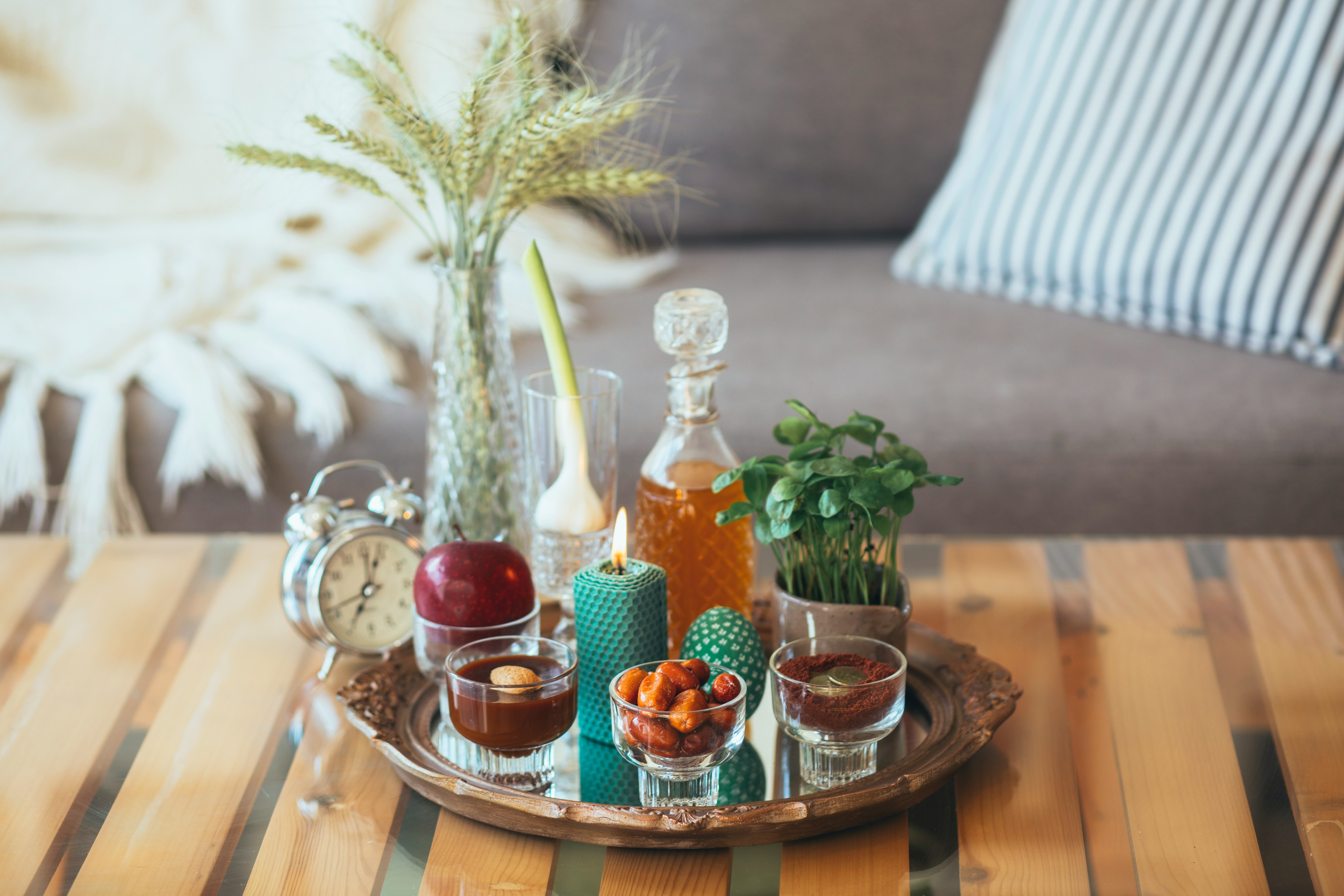


As March 2026 approaches, Iranian-American communities across the United States are preparing for one of the most significant celebrations in Persian culture: Nowruz. This ancient festival, marking the Persian New Year and the arrival of spring, continues to thrive in diaspora communities from Los Angeles to New York, bringing together families and friends to honor traditions that date back over 3,000 years.
This year's Persian New Year celebrations will showcase the resilience and cultural richness of Iranian-American communities, who have maintained their ancestral traditions while adapting to life in the United States. From the iconic Haft-Seen table preparations to community-wide festivals in major metropolitan areas, Nowruz symbolizes renewal, hope, and the enduring strength of cultural identity across generations.
The Heart of Nowruz: Haft-Seen Table Preparations
The centerpiece of every Nowruz celebration is the Haft-Seen table, a beautiful arrangement of seven symbolic items that each begin with the Persian letter "seen" (س). Iranian-American families across the country are already planning their displays for 2026, carefully selecting items that represent rebirth, health, love, and prosperity for the coming year.
Traditional Haft-Seen elements include sabzeh (wheat or lentil sprouts), samanu (sweet pudding), senjed (dried oleaster fruit), sir (garlic), sib (apples), somāq (sumac), and serkeh (vinegar). Many families also add additional items like coins for prosperity, painted eggs for fertility, a mirror for reflection, and goldfish for life and movement. The preparation of these displays has become a cherished family activity that bridges generations, with grandparents sharing stories while children learn the significance of each element.
Specialty Persian markets in cities like Los Angeles, San Francisco, Washington D.C., and Houston are already stocking traditional items. These businesses serve as cultural lifelines for Iranian-American communities, providing not just the necessary ceremonial items but also gathering places where families can connect with others who share similar traditions. The growing availability of Haft-Seen supplies reflects the expanding Persian diaspora and the increasing recognition of Nowruz in American multicultural celebrations.
Spring Cleaning and Khāneh Takānī Rituals
The tradition of khāneh takānī, or "house shaking," represents one of the most important preparatory activities leading up to Nowruz. This comprehensive spring cleaning symbolizes the spiritual cleansing of one's life and home in preparation for the new year. Iranian-American families take this tradition seriously, often beginning their cleaning rituals weeks before the actual celebration.
This practice has found particular resonance among Iranian diaspora communities in the United States, where it provides a meaningful connection to ancestral customs while fitting naturally into American spring cleaning traditions. Families use this time to declutter their homes, donate unused items to charity, and refresh their living spaces with new decorations and arrangements. The process often involves multiple generations working together, creating opportunities for cultural transmission and family bonding.
Modern Adaptations of Traditional Cleaning
Contemporary Iranian-American families have adapted khāneh takānī to fit their busy American lifestyles while maintaining its spiritual significance. Some families organize cleaning parties where extended family members and friends come together to help each other prepare their homes. Others incorporate eco-friendly cleaning products and sustainable practices, aligning ancient traditions with modern environmental consciousness. These adaptations demonstrate how Persian New Year celebrations continue to evolve while preserving their essential meaning.
Cultural Performances and Community Events
Iranian diaspora festivals across the United States are planning spectacular performances and community gatherings for Nowruz. These events serve multiple purposes: they preserve Persian cultural traditions, provide educational opportunities for younger generations, and create spaces for community connection and celebration. Major cities with significant Iranian-American populations are preparing months in advance to ensure these festivities reflect the richness and diversity of Persian culture.
Regional Celebrations Across America
The East Coast Iranian-American communities are equally vibrant in their preparations for Nowruz. Washington D.C.'s Persian community, many of whom work in government and international organizations, often organizes sophisticated cultural events that introduce Nowruz to American colleagues and friends. New York's Iranian diaspora hosts intimate gatherings at community centers and cultural organizations across Manhattan and New Jersey, fostering close-knit celebrations that emphasize family and friendship.
West Coast celebrations often incorporate outdoor elements, taking advantage of California's mild March weather for park gatherings and outdoor festivals. San Francisco's Iranian community has developed unique traditions that blend Persian customs with Northern California's cultural diversity, creating events that welcome participation from other ethnic communities and promote cross-cultural understanding.
Music and Dance: Preserving Artistic Traditions
Persian music and dance form integral components of Persian New Year celebrations, serving as powerful vehicles for cultural preservation and community identity. Iranian-American artists and performers are preparing special programs for Nowruz, featuring both classical Persian compositions and contemporary interpretations that speak to the diaspora experience.
Traditional instruments like the tar, setar, and tombak will fill community centers and cultural venues across the country as master musicians share their artistry with appreciative audiences. Many Iranian-American families prioritize music education for their children, ensuring that classical Persian musical traditions continue to flourish in American contexts. These musical performances often feature selections from renowned Persian poets like Hafez and Rumi, whose works remain central to Persian cultural identity.
Persian dance performances, from classical court dances to regional folk traditions, add visual beauty and cultural depth to Nowruz celebrations. Dance troupes in major Iranian-American communities spend months preparing choreographed performances that tell stories of Persian history, mythology, and seasonal change.
Culinary Traditions and Festive Foods
The culinary aspect of Nowruz celebrations represents one of the most accessible and beloved elements of Persian New Year traditions. Iranian-American families spend considerable time and effort preparing traditional dishes that carry symbolic meanings and connect them to generations of ancestors who prepared the same foods for their own Nowruz celebrations.
Persian sabzi polo mahi, the traditional Nowruz dish of herb rice with fish, requires extensive preparation as families gather various fresh herbs, including parsley, cilantro, dill, and green onions. The preparation of this dish often becomes a family affair, with multiple generations working together to clean herbs, prepare rice, and select the perfect fish for the occasion.
Persian sweets and pastries also play crucial roles in Nowruz celebrations. Families prepare traditional treats such as baklava, nan-e nokhodchi (chickpea cookies), and various rice-based sweets, which they share with friends, neighbors, and extended family throughout the 13-day celebration. The tradition of Persian hospitality and food sharing remains strong in American Iranian communities, where food serves as a bridge between cultures and a way to introduce American friends to Persian traditions.
Regional Culinary Variations in America
Different Iranian-American communities have developed their own culinary traditions that reflect both regional Persian cooking styles and local American ingredients. California communities often incorporate locally grown herbs and produce into traditional recipes, while East Coast Iranian families might adapt dishes to accommodate colder climates and different seasonal availability of ingredients. These adaptations demonstrate the dynamic nature of cultural preservation, showing how traditions evolve while maintaining their essential character and meaning.
Community Building Through Celebration
Nowruz gatherings serve important community-building functions that extend far beyond the celebration itself. These events create opportunities for Iranian-Americans to connect with others who share similar cultural backgrounds, exchange experiences of living between two cultures, and provide mutual support in maintaining cultural identity while integrating into American society.
Young Iranian-Americans often find these celebrations particularly meaningful as they navigate questions of cultural identity and belonging. Nowruz events provide spaces where they can explore their Persian heritage without feeling different or exotic, while also sharing their traditions with American friends and colleagues. Many communities organize special programs for young people, including Persian language classes, cultural workshops, and mentorship programs that connect recent immigrants with established Iranian-American families.
The significance of Nowruz as a celebration of renewal continues to resonate deeply with Iranian diaspora communities, providing both spiritual renewal and cultural continuity across generations. These celebrations connect American-born Iranians with their ancestral traditions while creating new memories and customs that reflect their unique position as bridge-builders between Persian and American cultures.
The Thirteen Days: Sizdah Bedar and Nature's Celebration
The culmination of Nowruz celebrations occurs on the thirteenth day with Sizdah Bedar, a joyous outdoor festival that emphasizes humanity's connection with nature and the importance of community gathering. Iranian-American families across the country plan elaborate picnics and outdoor celebrations, adapting this ancient tradition to American parks and recreational areas while maintaining its essential spirit of renewal and natural harmony.
Sizdah Bedar traditions include throwing away the sabzeh from Haft-Seen tables, symbolically releasing the previous year's troubles and negativity into flowing water or natural settings. The outdoor nature of Sizdah Bedar celebrations offers Iranian-American communities opportunities to share their traditions with the broader American public. Parks filled with Persian families enjoying traditional foods, music, and games often attract curious neighbors and passersby, creating informal opportunities for cultural exchange that strengthen community ties and promote multicultural understanding.
Many Iranian-American families use Sizdah Bedar as an opportunity to teach children about both Persian traditions and American environmental stewardship, creating meaningful connections between ancestral values and contemporary American life.
Adapting Ancient Wisdom for Modern Times
Technology plays an increasingly important role in these adaptations, with Iranian-American families using social media to share Haft-Seen displays, connect with relatives in Iran and other countries, and organize community events. Virtual celebrations over the past few years have also created new traditions that allow geographically dispersed family members to participate in ceremonies together, expanding the reach and inclusivity of Nowruz.
The integration of Persian culinary traditions with American food culture continues to create new fusion possibilities while maintaining authentic flavors and preparation methods. Iranian-American restaurants and caterers are developing innovative approaches that introduce Persian cuisine to American palates while satisfying the nostalgic needs of diaspora communities.
The continuity of traditions like Shabe Yalda and other Persian celebrations throughout the year helps Iranian-American communities maintain cultural connections and provides multiple opportunities for community gathering and cultural transmission. These regular celebrations create rhythm and meaning in diaspora life while strengthening community bonds and cultural identity.
Celebrating Heritage and American Dreams
The Nowruz celebrations embody the ongoing story of Iranian-American communities who have successfully preserved their ancient traditions while embracing American opportunities and values. From the careful preparation of Haft-Seen tables to the joyous outdoor celebrations of Sizdah Bedar, these Persian New Year celebrations demonstrate the resilience and creativity of diaspora communities who refuse to let distance diminish their cultural connections.
Visit United Tribes today to learn more about Persian culture and the community celebrations, events, and traditions that continue to thrive across the United States.


