
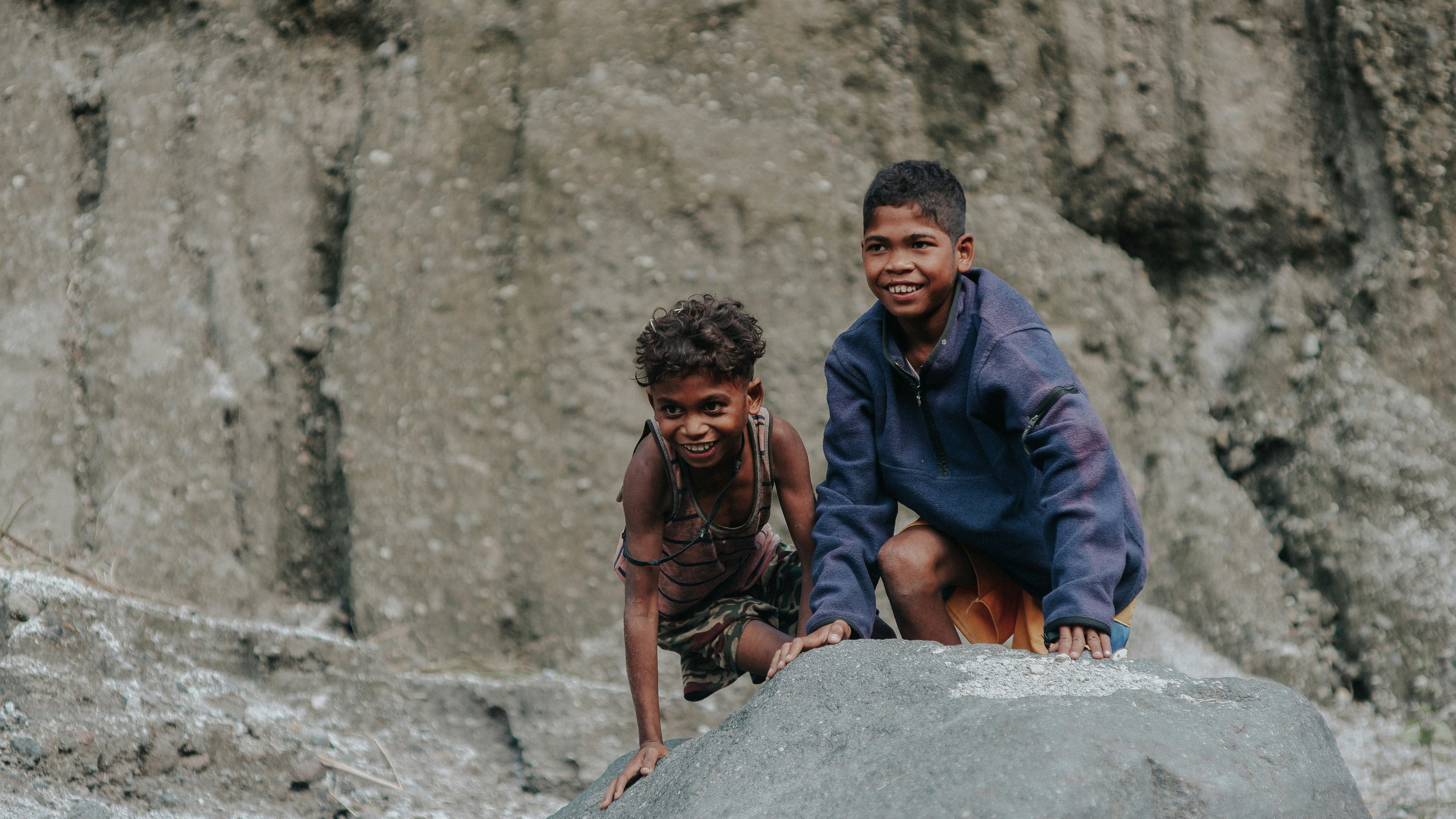

As Filipino-American communities across the United States prepare for spring 2026, a cultural revival is taking shape. Traditional Palarong Pinoy games are returning to community gatherings, festivals, and youth programs. From California’s large Filipino communities to cultural centers in New York, these time-honored games are reconnecting younger generations with their heritage while bringing families together.
The Cultural Significance of Palarong Pinoy in Modern America
Palarong Pinoy traditions carry meaning beyond simple entertainment. These games reflect Filipino creativity, community bonding, and childhood learning that have shaped generations. In the Philippines, games like patintero encouraged strategy, sipa developed coordination and patience, and luksong tinik emphasized teamwork and problem-solving—values that remain central to Filipino culture.

Welcome to United Tribes
Where Filipino Culture Comes Alive
Join Your Tribe
Connect with your people
Discover Events
Watch parties & festivals
Find Filipino Businesses
Restaurants, markets & more
Earn Crown Credits
Get rewarded for engaging
Within Filipino-American communities, these activities help families maintain cultural identity in an increasingly globalized environment. Many immigrant parents and grandparents struggled to preserve traditions while adapting to American life. Reviving traditional games offers a hands-on way to share authentic Filipino experiences with children who may feel distant from their roots.
Community organizers in major Filipino population centers note that these events consistently attract participants of all ages. Unlike passive cultural activities, the games require active involvement from both youth and adults, naturally encouraging storytelling, language use, and cultural exchange. They also provide a welcome alternative to screen-based entertainment.
Traditional Games Leading the Revival Movement
Patintero: The Strategic Grid Game
Patintero remains one of the most loved and strategically engaging games in the collection. In this grid-based team game, players attempt to cross lines while defenders try to tag them, creating a fast-paced challenge of speed, strategy, and teamwork.
Community events in 2026 have found patintero particularly effective for engaging youth because it combines physical movement with tactical thinking. Many American venues adapt the playing area to accommodate larger groups while preserving the traditional rules.
Youth coordinators report that patintero tournaments have become popular attractions, with families traveling between communities to participate. These gatherings allow Filipino families from different regions to meet, compete, and share experiences.
Sipa: The Art of Footwork and Patience
Sipa, often compared to hacky sack but far older, highlights the skill-building aspect of traditional Filipino games. Players keep a woven ball or a metal washer airborne using their feet, knees, and other body parts except their hands. The activity rewards patience, practice, and gradual improvement.
In the United States, sipa has found success in schools and cultural education programs. Teachers sometimes incorporate the game into physical education or multicultural activities, allowing Filipino students to introduce classmates to their heritage.
Workshops often begin with elders demonstrating traditional techniques passed down through generations. These moments place older community members in the role of cultural mentors while giving younger participants direct access to authentic knowledge.
Luksong Tinik: Teamwork Through Challenge
Luksong tinik, meaning “jump over thorns,” requires players to leap over formations created by two participants using their hands and feet. The game highlights cooperation, communication, and mutual support—qualities central to Filipino values.
Its adjustable difficulty makes it ideal for mixed-age gatherings. Younger children start with simple formations, while older players attempt more challenging setups. This flexibility has made the game popular at family reunions, festivals, and cultural events.
Safety adaptations for American venues often include softer playing surfaces and modified formations while preserving the spirit of the game.
Youth Engagement Through Cultural Education
Incorporating traditional games into youth programming provides a dynamic form of cultural education. Rather than treating heritage as something to study, these activities allow young participants to practice living traditions.
Programs that include traditional games often report increased confidence in cultural identity. Filipino-American youth who initially know little about these traditions often become enthusiastic advocates, teaching friends and classmates while developing pride in their heritage.
Educational sessions frequently include discussions about each game’s history, regional variations, and connections to Filipino values. Participants learn not only how to play but also what these activities reveal about Filipino society.
Language preservation also benefits from game instruction. Many activities involve Filipino terminology, encouraging participants to use Tagalog, Visayan, or other Philippine languages naturally during play.
Community Events and Festival Integration
Spring 2026 is expected to be a major year for integrating traditional games into Filipino cultural festivals across the United States. Event organizers report increasing demand for demonstrations and participatory activities.
These games appeal not only to Filipino families but also to attendees from other cultural backgrounds who are curious about Filipino traditions. Such interactions help build understanding and appreciation while giving Filipino communities opportunities to share their heritage.
The games are also appearing in smaller gatherings, including church events and neighborhood celebrations. Even modest events benefit from structured activities that encourage interaction and conversation.
Volunteer training programs have emerged to support this growth. These programs prepare facilitators to teach rules, maintain safety, and explain cultural context during events, helping develop new community leaders.
Building Bridges Between Generations
One of the most meaningful impacts of the Palarong Pinoy revival is its ability to connect generations. Traditional games provide shared activities in which grandparents demonstrate their experience while younger players bring energy and creativity.
Intergenerational programs built around these games help overcome common challenges within immigrant families. Language differences between English-dominant youth and Filipino-speaking elders become less significant during physical activities where demonstration and shared laughter take center stage.
These connections often extend beyond the games themselves. Conversations frequently shift to Filipino food traditions and family stories, strengthening relationships and cultural understanding.
Looking Ahead to Spring Gatherings
As Filipino-American communities finalize plans for spring cultural programming, interest in traditional games continues to grow. Major cities are coordinating regional tournaments that allow communities to celebrate shared heritage while showcasing local variations.
Organizers are also working to standardize rules that maintain authenticity while ensuring safety and accessibility for participants of all ages.
Spring provides ideal weather for outdoor events across much of the United States, making it a perfect season for community gatherings. Many planners expect 2026 to be a major milestone year for traditional Filipino games in American settings.
Some communities are also integrating the games into broader cultural celebrations, creating events that highlight multiple aspects of Filipino heritage.
Preserving Heritage Through Active Participation
The revival of Palarong Pinoy represents more than recreational programming. It reflects a joyful approach to cultural preservation that strengthens community ties while honoring tradition.
As games like patintero, sipa, and luksong tinik return to prominence at community events, they help Filipino youth connect with their heritage while building friendships and confidence.
This growing movement shows that traditional Filipino practices remain meaningful in modern life. Through shared play and community participation, families continue passing down cultural values while creating new memories for future generations.
Visit United Tribes today to learn more about Filipino culture and community events happening near you.


