
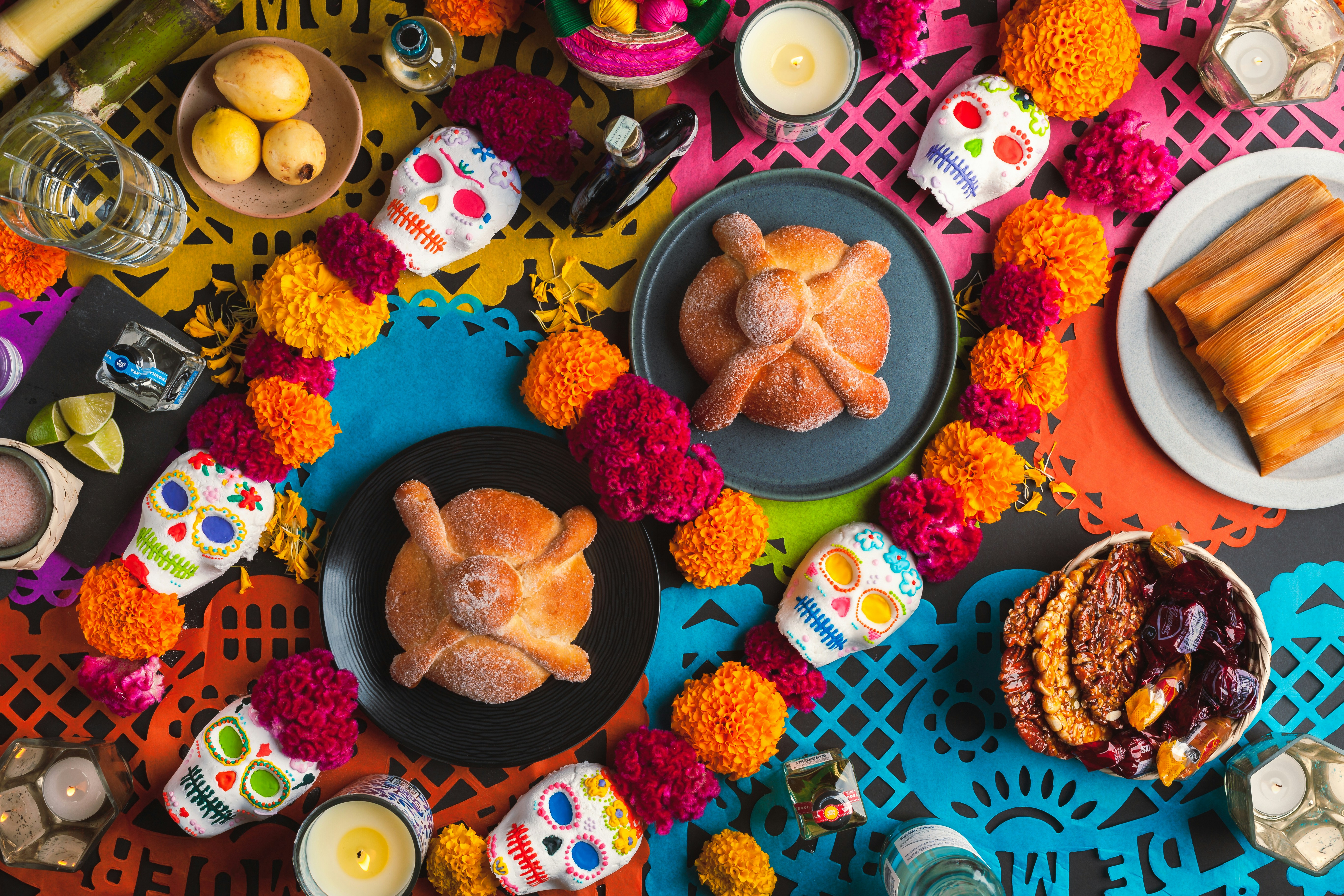

As autumn arrives and Día de los Muertos approaches, Mexican bakeries across the United States come alive with the sweet aromas of traditional pastries passed down through generations. From the iconic pan de muerto to the beloved conchas, these baked goods represent an edible connection and reminder of Mexican heritage, family traditions, and cultural identity that continue to thrive in diaspora communities throughout America.
The celebration of Mexican bakery culture in the United States has grown significantly over the past decades, with pan de muerto becoming increasingly popular not only among Mexican-American families but also among food enthusiasts eager to explore authentic cultural traditions. These pastries serve as bridges between ancestral customs and contemporary American life, allowing families to maintain their cultural roots while sharing their heritage with broader communities.

Welcome to United Tribes
Where Mexican Culture Comes Alive
Join Your Tribe
Connect with your people
Discover Events
Watch parties & festivals
Find Mexican Businesses
Restaurants, markets & more
Earn Crown Credits
Get rewarded for engaging
The Sacred Tradition of Pan de Muerto
Pan de muerto stands as the most recognizable symbol of Día de los Muertos food traditions. This sweet, enriched bread holds deep spiritual significance in Mexican culture, representing the cycle of life and death that defines the November celebration. The round loaf, typically adorned with bone-shaped decorations made from the same dough, creates a beautiful and meaningful centerpiece for family altars and community gatherings.
Traditional pan de muerto recipes vary by region in Mexico, and Mexican bakeries across the United States have lovingly preserved these variations. Some versions incorporate anise for a subtle licorice flavor, while others feature orange zest that brightens the rich, buttery crumb. The surface is often brushed with melted butter and dusted with granulated sugar, creating a delicate sweetness that complements the bread's tender texture.
Regional Variations in American Mexican Bakeries
Mexican bakeries from Los Angeles to Chicago to Miami each bring their own regional interpretations of pan de muerto to their communities. Oaxacan-style versions might include a touch of mezcal in the dough, while bakeries with roots in Puebla often create smaller, individual rolls rather than large family-sized loaves. These regional differences help maintain the diverse culinary landscape that reflects Mexico's diverse culinary traditions across different Mexican-American communities.
The timing of pan de muerto production in American bakeries typically begins in early October, with peak availability during the last week of October through the first week of November. Many bakeries take special orders for family gatherings and community celebrations, ensuring that every household can maintain their traditional Día de los Muertos observances.
Conchas and Daily Mexican Bakery Staples
Beyond the seasonal significance of pan de muerto, Mexican pastries like conchas reflect the daily rhythms of Mexican bakery culture, which have become integral to many American neighborhoods. Conchas, with their distinctive shell-patterned sugar topping, offer comfort and familiarity to Mexican families while introducing non-Mexican Americans to authentic flavors and textures.
Preparing conchas requires considerable skill and patience. The sweet bread base must be perfectly balanced: rich enough to support the signature streusel topping but light enough to remain tender. The topping itself, whether vanilla (white) or chocolate (brown), creates the characteristic ridged pattern that gives conchas their name, Spanish for "shells."
Mexican bakery culture encompasses dozens of other traditional pastries that have found new homes in American communities. Orejas (elephant ears) provide flaky, palm-shaped sweetness perfect for afternoon coffee. Cuernos offer croissant-like richness with distinctly Mexican flavoring. Empanadas dulces filled with pineapple, sweet potato, or cajeta provide portable sweetness for busy American lifestyles while maintaining traditional Mexican flavors.
The Art of Mexican Bakery Techniques
Traditional Mexican baking techniques emphasize handcrafting and attention to detail, setting these pastries apart from mass-produced alternatives. Mexican bakers often begin their work before dawn, preparing a variety of breads and pastries that will fill display cases throughout the day. The masa madre (sourdough starter) used in many traditional recipes requires daily feeding and careful temperature control, representing the continuity and care that define authentic Mexican baking.
These techniques have been adapted to American commercial requirements while maintaining their essential character. Mexican bakeries in the United States often operate on hybrid schedules, producing traditional morning pastries while also accommodating American breakfast and lunch schedules that differ from traditional Mexican eating patterns.
Cultural Significance and Community Connection
The role of Mexican pastries extends far beyond mere sustenance in American Mexican communities. These baked goods serve as cultural anchors that help maintain connections to ancestral traditions while adapting to contemporary American life. Family recipes passed down through generations become sources of identity and continuity, especially for second and third-generation Mexican-Americans navigating between cultures.
Día de los Muertos food traditions, particularly pan de muerto, create opportunities for cultural education and sharing. Many Mexican bakeries in the United States use this season to engage with broader communities, offering workshops on traditional baking techniques and explaining the cultural significance behind these special breads. Schools, community centers, and cultural organizations often partner with local Mexican bakeries to offer authentic educational experiences that go beyond simple taste testing.
The preparation and sharing of traditional pastries also reinforces family bonds and community connections. Many Mexican-American families maintain traditions of visiting specific bakeries for their pan de muerto, creating annual pilgrimages that strengthen neighborhood ties and support local Latin businesses that empower communities.
Modern Adaptations and Innovation
Contemporary Mexican bakeries in the United States have demonstrated remarkable creativity in adapting traditional pastries for modern American tastes while preserving their cultural authenticity. Some bakeries offer gluten-free versions of pan de muerto for customers with dietary restrictions, using almond flour or rice flour blends that maintain the traditional texture and flavor profile.
Vegan adaptations of traditional Mexican pastries have also emerged, replacing butter and eggs with plant-based alternatives, allowing broader communities to participate in these cultural traditions. These innovations reflect the inclusive spirit of Mexican culture while acknowledging the diverse dietary needs of contemporary American communities.
Seasonal variations have expanded beyond traditional holidays, with some bakeries creating Valentine's Day heart-shaped conchas or Christmas variations of pan dulce that incorporate traditional Mexican holiday flavors like cinnamon and piloncillo. These adaptations help maintain year-round interest in Mexican pastries while respecting their cultural origins.
Fusion and Cross-Cultural Influences
The influence of Latin cuisine in the United States has created opportunities for creative fusion that honors Mexican baking traditions while embracing American innovation. Some bakeries experiment with French toast variations of pan de muerto or concha, or with concha ice cream sandwiches, introducing traditional flavors in familiar American formats.
These fusion creations serve educational purposes, helping non-Mexican Americans develop an appreciation for authentic Mexican flavors through familiar presentations. The success of such innovations often leads customers to explore more traditional offerings, expanding the market for authentic Mexican pastries and supporting the continued viability of traditional Mexican bakeries.
Preserving Traditions for Future Generations
The continuation of Mexican bakery culture in the United States depends on the transmission of knowledge and skills from experienced bakers to younger generations. Many family-owned Mexican bakeries operate as informal apprenticeship programs, teaching children and grandchildren the precise techniques required for authentic pastry production.
Pan de muerto production represents a particularly important cultural teaching moment, as the seasonal nature of this bread creates annual opportunities for skill transmission and cultural education. Young Mexican-Americans learn not only the technical aspects of bread making but also the cultural stories and spiritual significance that give these pastries their deeper meaning.
Community organizations and cultural centers increasingly recognize the importance of supporting these traditional food practices as part of broader cultural preservation efforts. Cooking classes, baking workshops, and cultural festivals provide platforms for sharing Mexican pastry traditions with both Mexican-American youth and interested members of other communities.
Celebrating Mexican Heritage Through Pastries
As Día de los Muertos approaches each year, the appearance of traditional pan de muerto in bakeries across America reminds us of the profound ways that food preserves and transmits cultural identity.
The thriving Mexican bakery culture in American cities demonstrates the vital importance of supporting authentic cultural businesses that maintain traditional practices while adapting to contemporary needs. These bakeries serve as community gathering places, cultural education centers, and guardians of ancestral knowledge that might otherwise be lost. By understanding and appreciating the deep cultural significance of these pastries, we can better support the Mexican-American communities that keep these traditions alive.
Visit United Tribes today to learn more about Mexican culture, community celebrations, businesses, and events that help preserve and share these beautiful traditions throughout the United States.
Make United Tribes Your Preferred Source
Add United Tribes on Google to get the latest stories, cultural updates, and community events directly in your Google Search and Top Stories.