
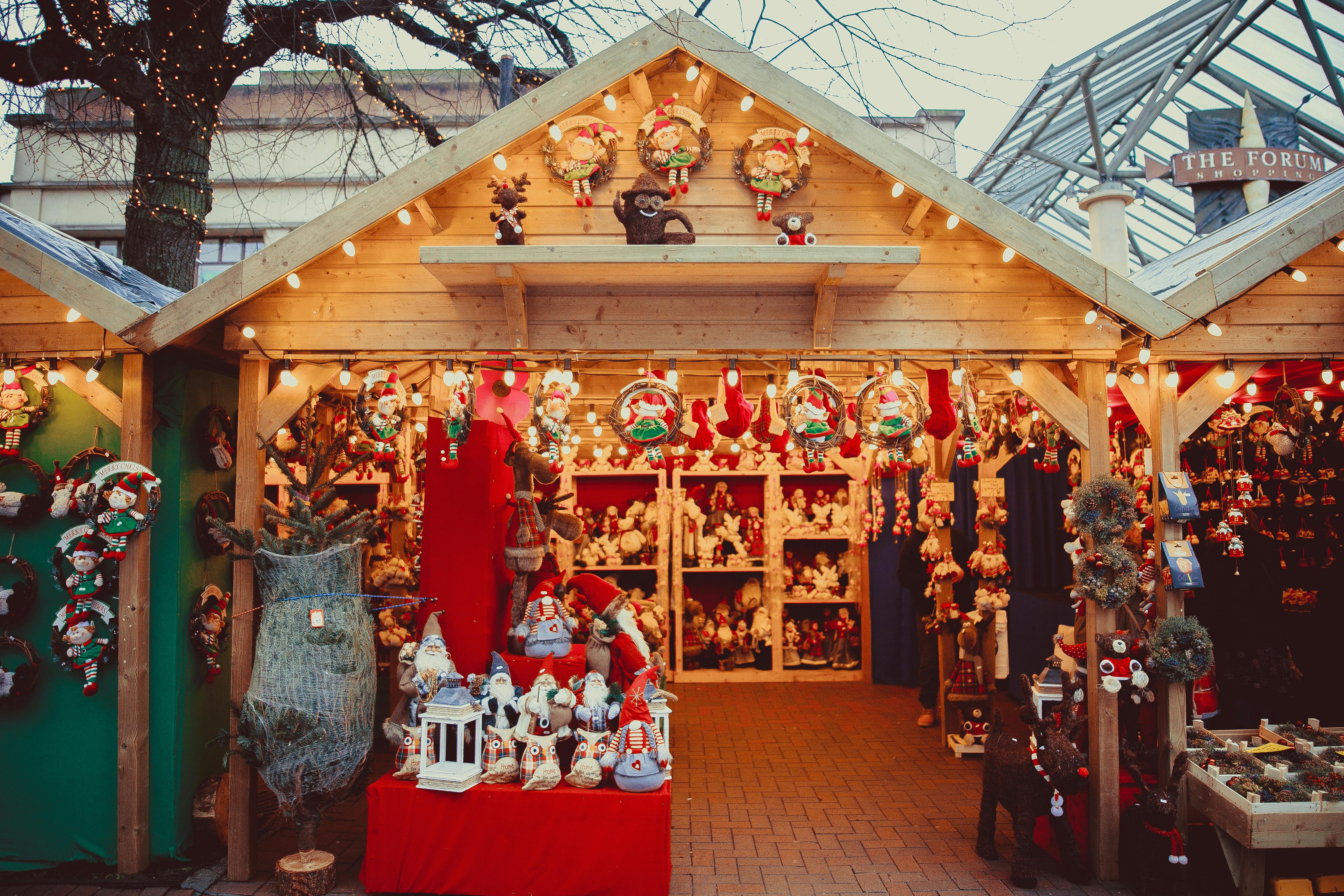


Pasko sa Nayon events have become cornerstone celebrations for Filipino diaspora communities across the United States. From California's Bay Area to New York's bustling boroughs, these Filipino Christmas fairs serve as cultural anchors, preserving cherished traditions while adapting to American settings. The name itself translates to "Christmas in the Village," perfectly capturing the essence of these community-driven celebrations that recreate the intimate, festive atmosphere of Philippine barangay Christmas gatherings.
The Heart of Village-Style Christmas Celebrations
Traditional Pasko sa Nayon celebrations in the Philippines center on the barangay (village) community, where neighbors come together to share food, showcase local crafts, and celebrate the season through music and dance. These intimate gatherings feature handmade decorations, local delicacies, and performances by community members of all ages. The authentic village atmosphere emphasizes togetherness, generosity, and the joy of sharing cultural traditions with extended family and neighbors.
Filipino-American communities have masterfully adapted these beloved traditions to fit American venues and lifestyles. School gymnasiums become transformed into bustling marketplaces, church halls echo with traditional carols sung in Tagalog and English, and community centers host elaborate displays of regional crafts and holiday specialties.
Essential Elements of Authentic Village Celebrations
Every Pasko sa Nayon event incorporates specific traditional elements that transport participants back to their homeland. Handcrafted parol displays serve as centerpieces, with families and community groups competing to create the most elaborate star lanterns. These luminous decorations, traditionally made from bamboo and papel de hapon, now incorporate modern materials while maintaining their symbolic significance as beacons of hope and faith.
Live entertainment programs feature traditional folk dances performed by cultural groups, church choirs singing classic Filipino Christmas carols, and, sometimes, amateur singing contests that showcase the community's hidden talents. The entertainment schedule typically includes performances throughout the day, creating a dynamic atmosphere that keeps families engaged for hours.
Community participation forms the backbone of these celebrations, with local Filipino-American organizations, churches, and cultural groups collaborating to create authentic experiences. Volunteer committees handle everything from booth assignments to entertainment coordination, ensuring that every aspect reflects genuine Filipino hospitality and community spirit.
Parol Booths and Traditional Craft Displays
The iconic parol booth represents the artistic heart of every Pasko sa Nayon celebration. These elaborate displays showcase the craftsmanship and creativity of Filipino-American artisans who spend months preparing intricate star lanterns in various sizes and styles. Traditional parols feature geometric patterns and vibrant colors, while contemporary versions incorporate LED lights and modern materials that create stunning visual effects.
Craft booths extend beyond parol displays to include traditional Filipino handicrafts, such as handwoven textiles, carved wooden items, and jewelry made from indigenous materials. Many vendors travel from different states to participate in larger Filipino Christmas fair events, bringing regional specialties and family heirloom techniques that might otherwise be lost to younger generations.
Supporting Local Filipino Artisans
These craft displays serve as economic lifelines for Filipino-American artisans who preserve traditional skills while adapting to American markets. Many booth vendors are first-generation immigrants who learned their crafts in the Philippines and now pass these skills to their American-born children during preparation seasons leading up to Christmas celebrations.
The parol-making process itself becomes a community activity, with families gathering in homes and community centers throughout November to create their entries. These preparation sessions serve as informal cultural education opportunities where elders share stories about Christmas traditions in their home provinces while teaching younger family members the intricate techniques of bamboo splitting, paper cutting, and assembly.
Cultural significance extends beyond mere decoration, as each parol design often represents specific regional traditions from different Philippine provinces. Visitors can observe variations in style and technique that reflect the diverse geographic origins of community members, creating educational opportunities about Philippine cultural diversity within American Filipino communities.
Folk Dance Performances and Cultural Entertainment
Traditional Filipino folk dances transform Pasko sa Nayon venues into vibrant cultural theaters where stories of Philippine history and regional traditions come alive through movement and music. Popular performances include the graceful Tinikling, where dancers navigate between bamboo poles with precise timing, and the colorful Pandanggo sa Ilaw, featuring dancers balancing oil lamps while performing intricate steps.
Cultural dance groups from across local Filipino-American communities participate in these celebrations, often traveling considerable distances to share their performances with fellow community members.
Preserving Cultural Heritage Through Performance
The performance schedule at Filipino holiday market events carefully balances traditional presentations with contemporary interpretations that speak to younger audiences. Modern Filipino-American dance groups often incorporate hip-hop elements with traditional movements, creating fusion performances that maintain cultural authenticity while appealing to American-born Filipino youth.
Audience participation frequently becomes part of the entertainment experience, with performers inviting spectators to join simple group dances or learn basic steps during interactive segments. Music accompanies these performances through live bands, recorded traditional music, or a combination of both, creating rich soundscapes throughout the celebration venues.
Authentic Food Stalls and Holiday Specialties
The food stall experience at Pasko sa Nayon events creates an authentic Philippine market atmosphere where families can sample traditional holiday specialties that might be difficult to find in regular American Filipino restaurants. Popular offerings include bibingka cooked on makeshift clay pots, fresh lumpia served with homemade sauce, and regional specialties that reflect the diverse provincial backgrounds of community vendors.
Filipino comfort food takes center stage during these celebrations, as families share recipes passed down through generations. Many food vendors are home cooks rather than professional restaurateurs, bringing authentic family recipes and traditional preparation methods that create unique dining experiences unavailable elsewhere in their communities.
Traditional Christmas Delicacies
Holiday-specific foods play a crucial role in Filipino Christmas fair celebrations, with vendors specializing in seasonal treats that appear only during the season. Puto bumbong, the purple rice cake traditionally sold outside churches during Simbang Gabi, becomes a featured attraction cooked fresh throughout the day using specialized steamers that vendors transport to venues.
Lechon remains the centerpiece protein for many celebrations, with whole roasted pigs prepared by experienced community members who learned traditional roasting techniques in the Philippines. The lechon preparation often becomes a community event in itself, with early morning gatherings where families help prepare while sharing stories and catching up on community news.
Dessert selections feature traditional Filipino Christmas sweets, including maja blanca, biko, and various kakanin varieties that showcase regional specialties from different Philippine provinces. These desserts often sell out quickly as Filipino-American families stock up on authentic treats that recreate childhood Christmas memories for parents while introducing new flavors to their American-born children.
Venue Transformations in American Communities
The creative transformation of American venues into authentic Pasko sa Nayon celebrations demonstrates the resourcefulness and dedication of Filipino-American communities. School gymnasiums receive complete makeovers with Filipino flags, traditional decorations, and carefully planned booth layouts that maximize space while creating intimate market atmospheres reminiscent of Philippine town plazas.
Church halls and community centers undergo similar transformations, with volunteers spending days installing lighting, setting up sound systems, and arranging booth spaces that accommodate both vendors and foot traffic.
Creating Authentic Atmospheres in Modern Spaces
Decoration committees work tirelessly to mask the American institutional feel of these venues, using colorful banners, traditional Filipino textiles, and strategic lighting that creates warm, welcoming atmospheres. The transformation process often begins weeks in advance, with community members donating materials and labor to ensure authentic presentations that transport attendees back to their homeland celebrations.
Sound system management becomes crucial for maintaining the authentic market atmosphere, with carefully selected background music that includes traditional Filipino Christmas carols, folk songs, and contemporary Filipino music that appeals to different generations. The audio experience helps mask the acoustic limitations of American institutional spaces while creating immersive cultural environments.
Community Bonding and Intergenerational Connection
Filipino Christmas fairs and celebrations serve as vital intergenerational bridges where Filipino-American elders share cultural knowledge with younger family members in natural, enjoyable settings. Grandparents explain the significance of traditional foods, demonstrate proper parol appreciation, and share stories about Christmas celebrations from their youth in the Philippines.
These events create unique opportunities for American-born Filipino children to experience concentrated doses of their cultural heritage in ways that feel celebratory rather than educational. The festival atmosphere makes cultural learning more enjoyable while providing social contexts where young Filipino-Americans can meet peers with similar cultural backgrounds and family experiences.
Building Lasting Community Networks
The collaborative planning and execution of these celebrations strengthen bonds between Filipino-American families who might otherwise interact only during church services or casual social encounters. Committee work throughout the planning months creates lasting friendships and support networks that extend well beyond the holiday season.
Bringing the Philippine fiesta spirit to the US requires tremendous community coordination that brings together diverse Filipino regional groups under shared celebration umbrellas. These collaborative efforts often bridge regional differences in Philippine contexts, creating unified Filipino-American communities that celebrate their shared heritage while respecting provincial distinctions.
Professional networking opportunities naturally emerge during these celebrations as Filipino-American business owners, professionals, and community leaders interact in relaxed social settings. Many attendees report making valuable business connections and professional relationships that develop from initial meetings at Filipino holiday market events.
Regional Variations Across American Communities
Different regions of the United States host Pasko sa Nayon celebrations that reflect both local Filipino population demographics and regional American influences. West Coast celebrations often feature larger crowds and more elaborate productions due to higher concentrations of the Filipino population. At the same time, East Coast events tend toward more intimate community gatherings that emphasize family participation over commercial vendors.
Southern Filipino-American communities frequently incorporate local American holiday traditions into their celebrations, creating unique fusion experiences that reflect their integration into broader American communities while maintaining Filipino cultural authenticity. These adaptations demonstrate the flexible nature of Filipino cultural celebrations and their ability to thrive in diverse American settings.
Adapting to Local Conditions and Resources
Northern communities hosting winter Filipino Christmas fair events face unique challenges related to weather and venue availability that require creative solutions. Many northern celebrations move indoors earlier in the season and extend celebration periods to accommodate families who might have difficulty traveling during severe weather conditions.
Urban celebrations in major metropolitan areas often benefit from larger venues and diverse vendor options but face challenges related to parking, transportation, and higher venue costs, which require sophisticated planning and fundraising. Rural community celebrations typically feature more intimate gatherings with a stronger emphasis on family participation and community volunteer involvement.
Supporting Filipino Businesses and Entrepreneurs
Pasko sa Nayon events provide crucial marketing and sales opportunities for Filipino-American small business owners who might struggle to reach their target communities through conventional American marketing channels. These celebrations create concentrated markets where Filipino consumers actively seek authentic products and services that connect them to their cultural heritage.
Many Filipino-American entrepreneurs use these events to test new products, gather customer feedback, and build year-round customer bases that support their businesses. The trusted community environment encourages attendees to try new vendors and products they might hesitate to purchase through unfamiliar online or retail channels.
Economic Impact on Filipino Communities
The economic activity generated by these celebrations extends beyond immediate vendor sales to include hotel bookings, restaurant visits, and shopping trips that benefit broader Filipino-American business communities. Many families travel considerable distances to attend large Filipino Christmas fair events, creating mini-economic boosts for host communities.
Opportunities emerge as vendors introduce authentic regional specialties to Filipino-American consumers who might not have access to these foods in their home communities. These culinary discoveries often lead to ongoing business relationships and expanded market opportunities for specialty food producers.
Preserving Heritage Through Community Celebration
The success of these Filipino Christmas fairs throughout American communities reflects the dedication and creativity of Filipino-American families who refuse to let distance diminish their cultural connections. By transforming ordinary American venues into vibrant recreations of Philippine village celebrations, these communities ensure that their children and grandchildren can experience the joy, traditions, and community spirit that define authentic Filipino Christmas celebrations.
Visit United Tribes today to learn more about Filipino culture and community celebrations, business opportunities, and cultural events that strengthen connections within America's diverse Filipino diaspora.


