
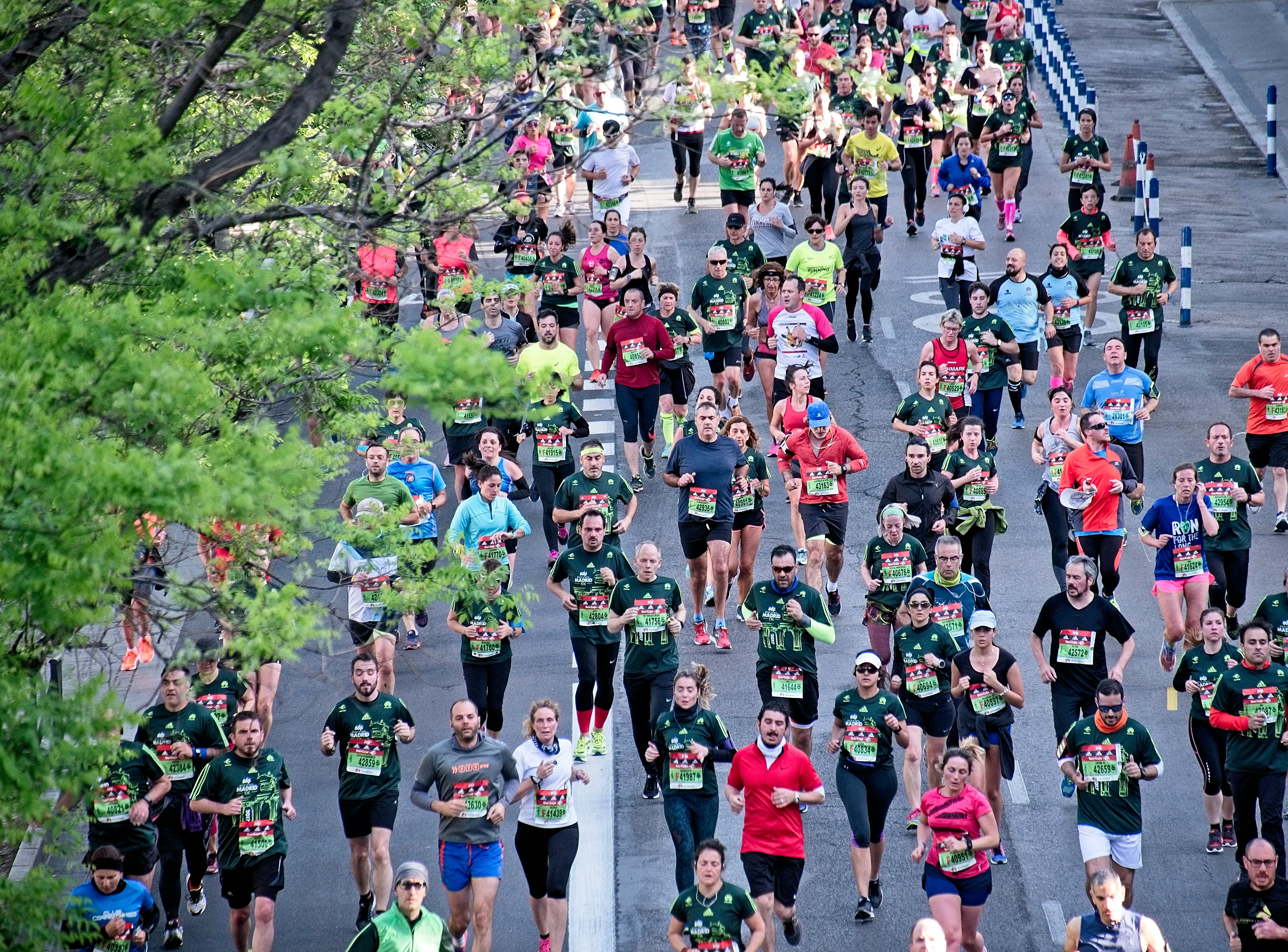


Every third Monday in April, the streets of Boston come alive with an energy unlike anywhere else in America. Patriots' Day 2026 promises to continue this cherished tradition that seamlessly blends revolutionary history with athletic achievement, creating one of the most distinctly American celebrations in the nation. As runners from around the world prepare to tackle the legendary 26.2-mile course, communities across New England gear up for a day celebrating resilience, determination, and the enduring spirit that defines American culture.
The Historical Foundation of Patriots' Day
Patriots' Day traditions trace their roots back to April 19, 1775, when the first shots of the American Revolution were fired at Lexington and Concord. This pivotal moment in American history, often called "the shot heard 'round the world," established the foundation for what would become a uniquely New England holiday celebrating the birth of American independence.
The connection between this historic day and the marathon began in 1897, when the Boston Marathon history first intersected with Patriots' Day observances. Inspired by the Olympic marathon in Athens the previous year, the Boston Athletic Association organized the first Boston Marathon as part of the Patriots' Day celebrations. This decision created an indelible link between America's revolutionary heritage and its sporting culture.
The Revolutionary War Connection
The battles of Lexington and Concord represent more than just military engagements; they embody the spirit of ordinary citizens rising to extraordinary challenges. This same spirit permeates the Boston Marathon, where participants from all walks of life challenge themselves to complete one of running's most demanding courses. The geographical connection is equally significant, as the marathon route passes near many of the historic sites where colonial militiamen made their stand against British forces.
Every Patriots' Day morning, reenactors recreate the famous battles while runners prepare for their own test of endurance. This juxtaposition creates a powerful reminder that the values of courage, perseverance, and community service that motivated the colonial patriots continue to inspire Americans today.
The Evolution of Boston Marathon History
The Boston Marathon history represents one of the longest continuous sporting traditions in America, with only two interruptions in its 130-year history. From its modest beginnings with just 15 participants in 1897, the race has grown into a global phenomenon that attracts over 30,000 runners annually while maintaining its intimate community character.
Qualifying Standards and Community Participation
What sets the Boston Marathon apart from other major marathons is its qualifying system, which requires most runners to achieve specific time standards in previous marathons. This requirement has created a unique culture in which earning a "BQ" (Boston Qualifier) is a significant achievement in the running community. However, the race also includes charity runners, local participants, and international athletes who contribute to the event's diverse character.
The qualifying standards reflect the race's commitment to maintaining its competitive integrity while remaining accessible to dedicated amateur athletes. This balance has helped preserve the Boston Marathon as both an elite athletic competition and a celebration of personal achievement.
Iconic Course Features
The Boston Marathon course from Hopkinton to Boston has become legendary among distance runners worldwide. Key features include the downhill start that can deceive inexperienced runners, the notorious Heartbreak Hill between miles 20 and 21, and the emotional finish on Boylston Street. Each section of the course has developed its own traditions and community of supporters who return year after year to cheer participants.
Community Traditions and Spectator Culture
The Patriots' Day traditions extend far beyond the runners themselves, encompassing entire communities along the marathon route. From Hopkinton to Boston, neighborhoods transform into festival grounds where families and friends gather to support both known participants and strangers.
The Wellesley College Scream Tunnel
One of the most famous spectator traditions occurs at Wellesley College, where students create the legendary "Scream Tunnel." This deafening wall of encouragement has become so iconic that many runners specifically train for the emotional boost they'll receive at the halfway point. The tradition exemplifies how American spring sporting events can create meaningful connections between athletes and communities.
Heartbreak Hill and Newton
The Newton hills, particularly Heartbreak Hill, represent the marathon's most challenging segment both physically and emotionally. Residents have developed elaborate support systems, offering everything from water and energy gels to live music and creative signs. The community involvement at Heartbreak Hill demonstrates how Patriots' Day traditions continue to evolve while maintaining their essential spirit of mutual support.
Post-Race Celebrations
After crossing the finish line, runners and their families traditionally gather in local establishments throughout Back Bay and beyond. These post-race celebrations have become integral to Boston Marathon history, creating economic and cultural benefits that extend throughout the metropolitan area.
The Modern Significance of Patriots' Day 2026
As Patriots' Day approaches, the event continues to represent core American values while adapting to contemporary challenges and opportunities. The marathon has weathered significant obstacles, including the 2013 bombing, by demonstrating the resilience and unity that characterize both the Boston community and American society more broadly.
Security and Safety Innovations
Modern marathon organization includes sophisticated security measures that protect participants and spectators while maintaining the open, welcoming atmosphere that defines the event. These innovations ensure that the Boston Marathon can continue its traditions while addressing contemporary safety concerns.
Technology and Tradition
While maintaining its traditional character, the marathon has embraced technology to enhance the experience for participants and spectators. Real-time tracking, social media integration, and digital coaching tools have expanded the event's reach while preserving its essential community focus.
Economic and Cultural Impact
The Boston Marathon generates significant economic activity throughout the region while reinforcing Boston's identity as a world-class destination for sports and culture. Hotels, restaurants, and local businesses depend on the marathon weekend for substantial annual revenue, while the event's media coverage showcases New England's historic and cultural attractions to a global audience.
International Participation and Cultural Exchange
Runners from over 100 countries participate in the Boston Marathon, creating opportunities for cultural exchange that extend well beyond the race itself. International participants often extend their visits to explore American history and culture, enriching the experience for domestic runners and spectators.
The global nature of American spring sporting events like the Boston Marathon demonstrates how local traditions can achieve international significance while maintaining their authentic character.
Training and Preparation Culture
The months leading up to Patriots' Day see thousands of runners across America and beyond following training programs specifically designed for the Boston Marathon's unique challenges. This preparation culture has spawned entire communities of runners who support each other through long training runs, nutrition planning, and mental preparation.
Running Clubs and Training Groups
Local running clubs throughout New England and beyond organize training programs that culminate with the Boston Marathon. These groups create lasting friendships and support networks that extend far beyond race day, exemplifying how Patriots' Day traditions continue to build community connections.
Celebrating America's Enduring Marathon Spirit
Patriots' Day and the Boston Marathon embody the enduring American spirit of perseverance, community, and celebration that has defined our nation since its founding. From the revolutionary battlefields of Lexington and Concord to the challenging hills of Newton and the triumphant finish on Boylston Street, this April tradition continues to inspire participants and spectators alike while showcasing the best of American sporting culture.
Whether you're a seasoned marathoner planning to tackle Heartbreak Hill or someone who appreciates the rich tapestry of American cultural celebrations, Patriots' Day offers something meaningful for everyone. Visit United Tribes today to learn more about American culture and community traditions that continue to shape our national identity.


