
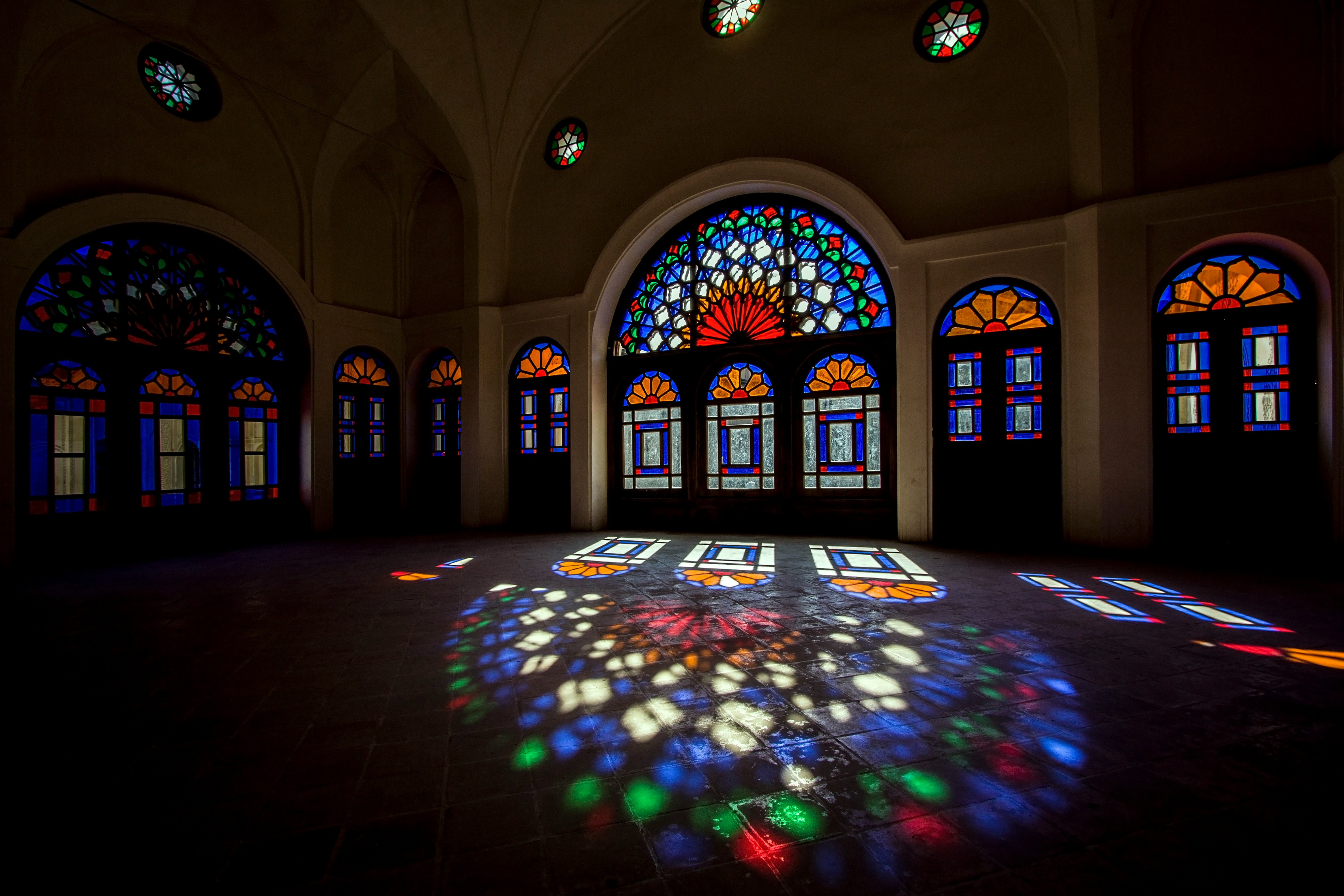


Walk into any Iranian-American home, and you'll immediately understand that Persian art culture isn't confined to museum walls or gallery spaces, from the intricate patterns woven into carpets beneath your feet to the delicate calligraphy adorning kitchen walls, Persian artistic traditions pulse through the everyday rhythms of diaspora life.
This living heritage represents far more than decoration. Every handcrafted ceramic bowl, every piece of traditional textile, every carefully placed decorative element serves as a bridge between ancient Persia and modern American life. Iranian-American art in the home becomes a form of cultural preservation and a daily reminder of identity.
The Sacred Space of Persian Textiles
Persian textiles transform ordinary living spaces into sanctuaries of cultural memory. The famous Persian carpet, or arsh, remains the centerpiece of many Iranian-American homes, but its significance extends far beyond its monetary value or aesthetic appeal.
Traditional Carpets as Cultural Anchors
These woven masterpieces carry stories within their fibers. A Tabriz carpet might feature intricate medallion patterns that represent the cosmos in Persian cosmology. At the same time, a Kashan rug displays floral motifs that connect families to the gardens of ancient Persia. Iranian-American families often inherit these carpets from relatives, making them literal foundations for new American lives.
The process of caring for these textiles becomes a cultural practice in itself. Regular cleaning rituals, proper storage during moves, and the careful placement in new homes all maintain the connection to Persian art culture. Children learn to remove shoes before stepping on the family carpet, understanding from an early age that they're walking on history.
Everyday Textiles Beyond Carpets
Persian textile artistry is evident in countless everyday objects in Iranian-American homes. Kitchen towels might feature traditional paisley patterns, while bedroom linens incorporate colors and designs reminiscent of Isfahan's famous textiles. Even modern furniture gets adorned with traditional Persian throws and cushions, creating layers of cultural meaning in contemporary settings.
Table runners featuring Persian calligraphy transform dining rooms into spaces where Iranian-American art tells stories during family meals. These smaller textile pieces offer flexibility for families navigating between traditional values and modern American lifestyles, allowing cultural expression without overwhelming contemporary décor.
Calligraphy as Living Poetry
Persian calligraphy, or *khoshnevisi*, transforms walls, doorways, and even kitchen spaces into galleries of spiritual and literary beauty. Iranian-American homes use calligraphy as both artistic expression and cultural education.
Sacred and Literary Texts in Daily Spaces
Many families display verses from Hafez or Rumi in flowing Nastaliq script, turning hallways into poetry walks and bedrooms into meditation spaces. These aren't just decorative choices—they represent daily encounters with Persian literature and philosophy. Children growing up with these artistic texts absorb classical Persian poetry as naturally as they learn English, creating bilingual cultural literacy.
Religious calligraphy also plays a significant role, with verses from the Quran or prayers written in beautiful Persian scripts. These pieces serve dual purposes: maintaining Islamic faith traditions while preserving Persian artistic techniques that have evolved over centuries.
Modern Adaptations of Ancient Scripts
Contemporary Iranian-American artists have adapted traditional calligraphy for modern homes, creating pieces that blend English and Persian text, or that use traditional scripts to write American poems or family names.
Some families commission custom calligraphy pieces that include their children's names in Persian script, creating personalized art that connects American-born children to their Persian heritage through the beauty of written language.
Ceramics and Functional Art
Persian ceramic traditions live most vibrantly in Iranian-American kitchens and dining rooms, where art and utility merge seamlessly. Every meal becomes an opportunity to engage with centuries-old artistic traditions through the simple act of eating and drinking.
Traditional Pottery in Modern Kitchens
Handcrafted ceramic bowls, often featuring traditional blue-and-white patterns or intricate geometric designs, make every meal a cultural experience. The weight of a traditional ceramic bowl in your hands, the smoothness of its glazed surface, the familiar patterns that echo mosque tilework.
Tea service represents the most important ceramic tradition in Iranian-American homes. Traditional Persian tea glasses, ceramic sugar bowls, and decorative serving trays transform the simple act of drinking tea into a cultural ceremony. The afternoon tea ritual becomes a daily practice of Iranian-American art appreciation, where family members literally hold their cultural heritage in their hands.
Contemporary Persian Ceramic Artists
Many Iranian-American ceramic artists create pieces specifically for diaspora communities, understanding the need for functional art that serves both practical and cultural purposes. These contemporary pieces might incorporate traditional Persian motifs with modern American home aesthetics, creating serving dishes that work equally well for Persian rice or American casseroles.
Home Décor as Cultural Expression
Persian home décor creates environments where Persian art culture influences every visual aspect of daily life. From entrance halls to private bedrooms, decorative choices reflect cultural values, aesthetic preferences, and strategies for identity preservation.
Metalwork and Decorative Objects
Traditional Persian metalwork appears throughout Iranian-American homes in both functional and decorative forms. Copper trays serve dinner guests while displaying intricate engravings of Persian poetry or geometric patterns. Silver tea sets become centerpieces that spark conversations about family history and cultural traditions.
Decorative brass objects, from ornate candlesticks to engraved picture frames, create focal points that command attention and prompt questions from non-Persian visitors. These objects become conversation starters, opportunities for cultural exchange, and teaching moments for children about their artistic heritage.
Mirrors and Lighting
Persian mirror work, inspired by traditional palace decorations, appears in contemporary homes through decorative mirrors with intricate frames and strategic lighting choices. Hanging Persian lamps creates atmospheric lighting that references the geometric patterns of traditional Islamic architecture while providing practical illumination for modern living.
The wisdom of Persian roots flows through these decorative choices, creating homes that feel authentically Persian while functioning perfectly within American suburban or urban contexts.
Seasonal and Ceremonial Art Displays
Iranian-American homes transform throughout the year as families celebrate Persian holidays and seasons, with art and décor playing central roles in these cultural observances.
Nowruz Preparations
During Nowruz celebrations, homes become galleries of Persian spring traditions. Families display their finest Persian textiles, arrange traditional Haft-Sin tables with ceremonial objects, and bring out special ceramics and serving pieces reserved for the Persian New Year.
The preparation process itself becomes an artistic endeavor, with family members arranging symbolic objects, polishing traditional metalwork, and creating floral displays that follow Persian aesthetic principles. These temporary art installations connect Iranian-Americans to seasonal rhythms and cultural calendars that predate their American residency by centuries.
Winter Solstice Traditions
The celebration of Shabe Yalda brings out special Persian art objects associated with light and warmth during the longest night of the year. Families arrange pomegranates and watermelons as natural art objects, display Persian poetry books as decorative elements, and light traditional candles in Persian holders.
These seasonal displays demonstrate how Persian art culture adapts to American contexts while maintaining its essential character and meaning.
Teaching Heritage Through Daily Encounters
The most significant aspect of Persian art in everyday life is its educational function. Iranian-American children learn about their cultural heritage not through formal lessons but through daily encounters with beautiful, meaningful objects.
Unconscious Cultural Education
A child who drinks tea from Persian glasses learns the weight and feel of traditional craftsmanship. A teenager who helps arrange Persian textiles for guests absorbs lessons about hospitality, beauty, and cultural pride. These encounters with Iranian-American art create cultural knowledge that feels natural and integrated rather than forced or academic.
Bridging Generational Gaps
Persian art objects often become bridges between immigrant parents and American-born children. A grandmother's ceramic tea set becomes a point of connection for stories about life in Iran. A father's traditional metalwork pieces prompt questions about Persian history and craftsmanship traditions.
Once Persian identity is established, these art objects become part of a child's cultural vocabulary, creating shared references and understanding across generations and navigating different cultural contexts.
Living Art, Living Heritage
This integration of art into everyday life represents the resilience and adaptability of Persian culture, demonstrating how Iranian-American art evolves while maintaining its essential beauty and meaning. Every textile, ceramic piece, and decorative object serves as both a functional necessity and a cultural ambassador, teaching children about their heritage through the simple act of living in beauty.
Visit United Tribes today to learn more about Persian culture and community, and discover how art and heritage continue to flourish in diaspora life across America.


