
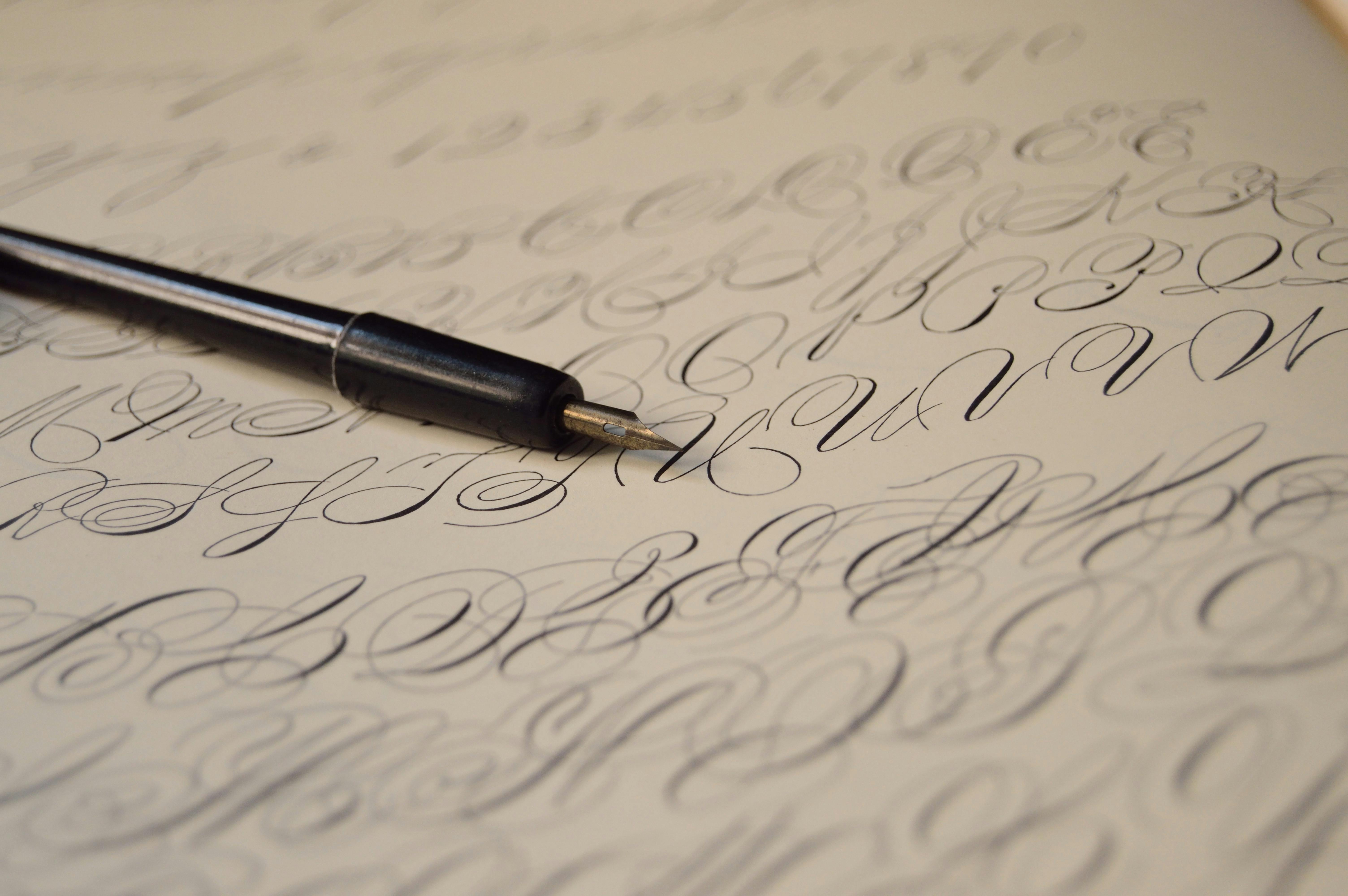


Persian calligraphy stands as one of the most revered art forms in Iranian culture, embodying centuries of spiritual devotion, poetic expression, and artistic mastery. Across the United States, Persian cultural events are bringing this ancient craft to new generations through immersive workshops and captivating exhibits. From the flowing curves of Nastaliq script to the geometric precision of Kufic writing, Persian calligraphy communities are preserving and sharing this sacred art form that transforms words into visual poetry.
The resurgence of interest in Persian calligraphy reflects a broader cultural awakening within Iranian-American communities. As diaspora populations seek to maintain connections to their heritage, these artistic gatherings serve multiple purposes: they preserve traditional techniques, foster community bonds, and introduce non-Persian audiences to the profound beauty of Iranian artistic expression. The art form itself transcends mere writing, representing a meditation between the calligrapher's soul and the divine essence of language.
The Spiritual Foundations of Persian Calligraphy
Persian calligraphy emerged from deep spiritual and philosophical traditions that view written words as sacred vessels for divine expression. Unlike Western penmanship, which is primarily focused on legibility, Persian calligraphy elevates writing to a form of worship and meditation. Each stroke carries intentional meaning, with master calligraphers spending decades perfecting their relationship with the pen, ink, and paper.
The practice traditionally begins with spiritual preparation, including meditation and recitation of poetry or religious texts. Many contemporary workshops in the United States maintain these ritualistic elements, teaching participants that calligraphy requires not just technical skill but emotional and spiritual readiness. This holistic approach distinguishes Persian calligraphy from other writing systems and attracts students seeking both artistic fulfillment and spiritual practice.
Iranian art exhibits frequently showcase historical manuscripts alongside contemporary interpretations, demonstrating how ancient techniques continue evolving while maintaining their essential character. Museums and cultural centers across America are recognizing the importance of preserving these traditions through educational programming and permanent collections dedicated to Islamic and Persian arts.
Major Workshop Centers and Learning Opportunities
Los Angeles Persian Cultural Centers
Los Angeles, home to the largest Iranian population outside Iran, hosts numerous Persian calligraphy workshops throughout the year. The Iranian Cultural Center of Orange County regularly offers beginner and intermediate classes taught by master calligraphers who immigrated from Iran. These sessions typically run for 6 to 8 weeks and cover fundamental techniques in the Nastaliq and Shekasteh scripts.
The Farhang Foundation, a prominent Persian arts organization, sponsors intensive weekend workshops featuring renowned international calligraphy masters. These events often coincide with major Persian holidays, creating immersive cultural experiences that combine artistic instruction with traditional celebrations. Participants learn to create pieces incorporating classical Persian poetry, particularly works by Hafez, Rumi, and Saadi.
San Francisco Bay Area Programs
The San Francisco Bay Area's substantial Persian community supports several ongoing calligraphy programs. The Persian Cultural Center in San Jose offers monthly workshops focusing on different historical scripts and their contemporary applications. These sessions emphasize the connection between calligraphy and Persian literature, with students creating illuminated versions of famous ghazals and rubais.
Stanford University's Cantor Arts Center has partnered with local Persian organizations to offer university-level courses in Islamic calligraphy, including significant Persian traditions. These academic programs attract both Persian-heritage students seeking to connect with their roots and non-Persian students interested in Islamic art history.
East Coast Cultural Initiatives
New York City's Persian community has established several workshop series in collaboration with major museums and cultural institutions. The Metropolitan Museum of Art periodically hosts master classes led by internationally recognized calligraphers, often in conjunction with special exhibitions featuring Persian manuscripts and decorative arts.
Washington D.C.'s Iranian Cultural Society offers regular weekend workshops that attract participants from across the Mid-Atlantic region. These programs emphasize the historical development of Persian scripts and their influence on neighboring cultures, providing comprehensive cultural context alongside practical instruction.
Prominent Exhibits and Cultural Events
Museum Collections and Special Exhibitions
Iranian art exhibits across the United States showcase Persian calligraphy within broader contexts of Islamic art and Middle Eastern culture. The Los Angeles County Museum of Art maintains an impressive permanent collection of Persian manuscripts and contemporary calligraphic works, with rotating exhibitions highlighting different periods and regional styles.
The Smithsonian's Freer and Sackler Galleries in Washington, D.C., regularly feature Persian calligraphy in their Islamic art exhibitions, often including live demonstration days where visitors can observe master calligraphers at work. These events typically draw large crowds and provide excellent opportunities for cultural exchange and education.
Festival Integration and Community Celebrations
Persian calligraphy demonstrations and workshops frequently appear at major Iranian cultural festivals across the United States. During Nowruz celebrations, many communities set up calligraphy stations where attendees can learn basic techniques and create personalized New Year wishes in Persian script.
The annual Persian Heritage Festival in various cities often features calligraphy competitions alongside music, dance, and culinary demonstrations. These events serve as crucial networking opportunities for local calligraphy teachers and students while introducing broader audiences to this sophisticated art form.
Contemporary Masters and Teaching Traditions
Several internationally recognized Persian calligraphy masters have established teaching practices in the United States, bringing authentic traditional methods to American students. These master artists often maintain connections to Iranian calligraphy societies and ensure their American students receive training consistent with centuries-old standards.
Master Hossein Mirkhani, based in Los Angeles, has trained dozens of American students in classical Nastaliq technique. His workshop approach emphasizes the meditative aspects of calligraphy practice while maintaining rigorous technical standards. Students often spend months perfecting basic strokes before progressing to complete letterforms and words.
The transmission of knowledge follows traditional Persian master-student relationships, with advanced practitioners eventually teaching their own students under their master's guidance. This system ensures quality control while adapting to American cultural contexts and scheduling requirements.
Digital Age Adaptations and Modern Applications
Contemporary Persian cultural events increasingly incorporate digital tools and modern applications of traditional calligraphy. Workshops now often include instruction in digital calligraphy using tablets and specialized software, allowing students to practice traditional forms while exploring contemporary applications.
Several American universities offer online courses in Persian calligraphy, making instruction accessible to students across the country. These programs combine video demonstrations with interactive assignments and virtual critiques, though most instructors emphasize that physical practice with traditional tools remains essential.
Modern applications include graphic design, wedding invitations, architectural decoration, and contemporary art installations. Many workshop graduates have established businesses creating custom calligraphic pieces for Persian-American families celebrating marriages, births, and other significant occasions.
The integration of Persian calligraphy into contemporary American design has created new opportunities for cultural exchange. Non-Persian designers increasingly seek training in these techniques to incorporate into logos, restaurant decor, and fashion design, thereby contributing to a broader appreciation of Persian artistic traditions.
Persian calligraphy workshops and exhibits also connect to broader themes of Persian hospitality and cultural values, as these artistic gatherings embody the same spirit of generous sharing and respectful learning that characterizes Iranian social interactions. The careful attention to proper etiquette in teacher-student relationships reflects deeper cultural patterns that extend far beyond artistic instruction.
Preserving Heritage Through Sacred Arts
Persian calligraphy workshops and exhibits across the United States serve as vital bridges connecting Iranian-American communities to their spiritual and cultural heritage. Through the disciplined practice of transforming words into visual poetry, participants discover profound connections to centuries of Persian wisdom, literature, and devotional expression. These programs successfully adapt ancient traditions to contemporary American contexts while maintaining their essential spiritual and aesthetic integrity.
The growing network of master teachers, cultural centers, and museum partnerships ensures that future generations will have access to authentic Persian calligraphic traditions. As these programs continue to expand and evolve, they contribute to America's rich multicultural tapestry while providing Iranian-Americans with meaningful ways to preserve and share their heritage. The meditative nature of calligraphic practice offers participants not just artistic skills but also spiritual grounding and community connection that enriches both individual lives and broader cultural understanding.
Visit United Tribes today to learn more about Persian culture and community events happening near you.


