
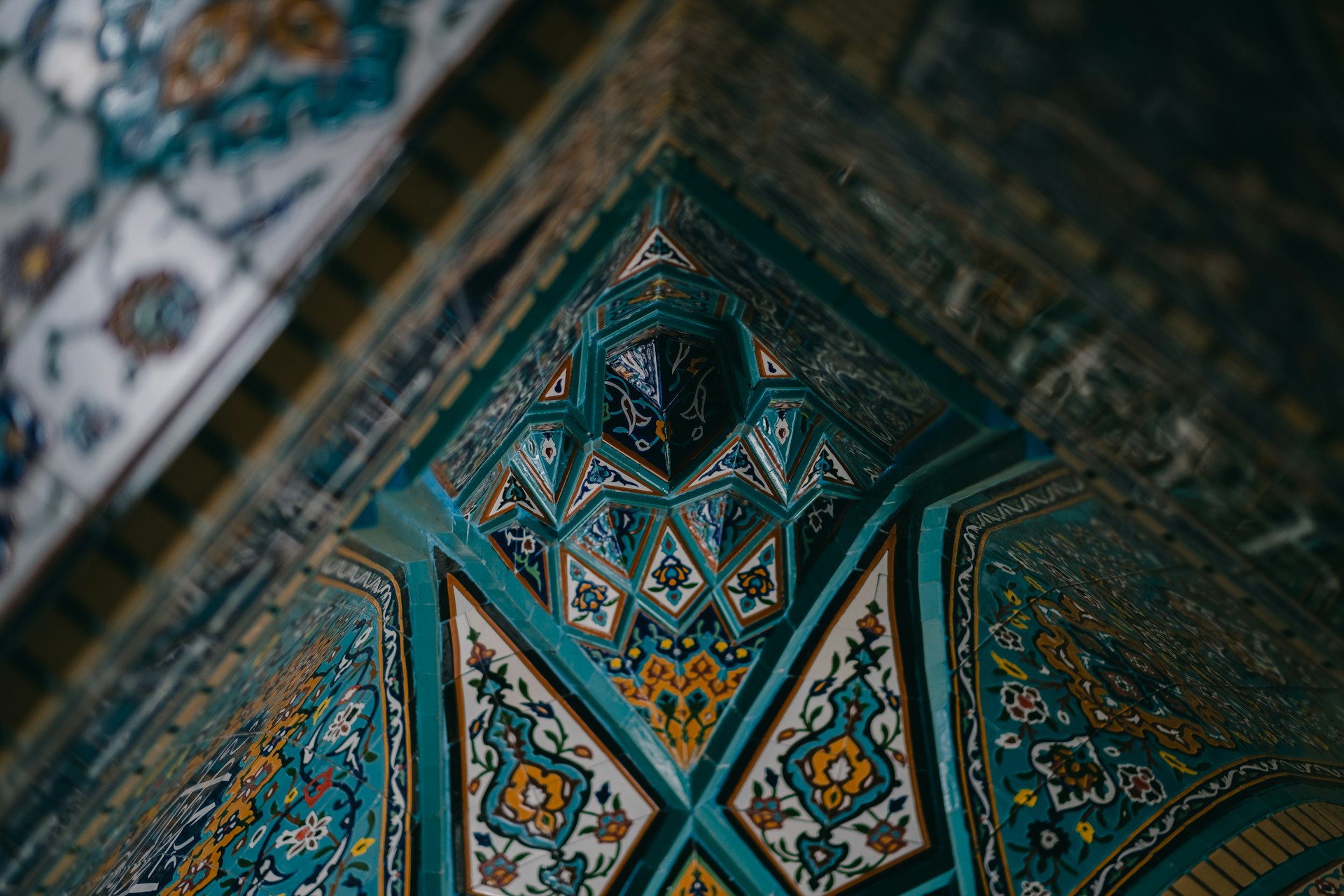

In the bustling galleries of Los Angeles, the community centers of Northern Virginia, and the cultural hubs of New York City, a timeless art form continues to flourish among Iranian-American communities. Persian calligraphy, an ancient practice that transforms words into visual poetry, serves as more than mere decoration. It's a living bridge connecting diaspora communities to their rich cultural heritage. This art form, deeply intertwined with Persian poetry and Islamic spirituality, has found new expression in the hands of Iranian-American artists who are preserving and reimagining this tradition for contemporary audiences.
The practice of Persian calligraphy USA represents more than artistic expression. It embodies the preservation of cultural identity in a modern context. As Iranian families settle across America, they carry with them not just memories of their homeland but also the tools and knowledge to maintain their artistic traditions, much like the intricate patterns found in Persian carpet weaving that grace Iranian-American homes.

Welcome to United Tribes
Where Persian Culture Comes Alive
Join Your Tribe
Connect with your people
Discover Events
Watch parties & festivals
Find Persian Businesses
Restaurants, markets & more
Earn Crown Credits
Get rewarded for engaging
The Sacred Foundation of Persian Calligraphy
Persian calligraphy emerged as a sacred art form during the Islamic Golden Age, when the written word held divine significance. The Iranian art tradition of calligraphy developed distinct characteristics that set it apart from Arabic calligraphy, incorporating flowing curves and elegant proportions that mirror the rhythm of Persian poetry. Traditional masters, known as khattat, dedicated their lives to perfecting letter forms that could convey both meaning and beauty.
The spiritual dimension of Persian calligraphy cannot be understated. Practitioners approach their craft as a form of meditation, where each stroke becomes an act of devotion. The deliberate pace required for calligraphy, the careful preparation of reed pens, the mixing of ink, and the contemplation of each letter's form create a ritual that connects the artist to centuries of tradition. This meditative quality has particular resonance for Iranian-Americans seeking to maintain spiritual and cultural connections across geographical distances.
Script Styles That Define Persian Beauty
Nastaliq: The Crown Jewel of Persian Scripts
Nastaliq stands as the most celebrated script style in Persian poetry culture, developed specifically for writing Persian literature. The flowing, diagonal lines create a natural rhythm that perfectly complements the meter of classical Persian poetry. Iranian-American calligraphers often choose Nastaliq for rendering verses from beloved poets like Hafez, Rumi, and Ferdowsi, as the script's organic flow mirrors the emotional cadence of Persian verse.
The complexity of Nastaliq requires years of study to master. Each letter must harmonize with its neighbors, creating words that appear to dance across the page. Modern Iranian-American artists have adapted this traditional script for contemporary applications, creating wedding invitations, gallery pieces, and digital art that maintains the script's classical proportions while speaking to modern aesthetic sensibilities.
Naskh Clarity and Precision
Naskh script, characterized by its clear, geometric proportions, serves as the foundation for many calligraphic studies. Iranian-American calligraphy teachers often begin instruction with Naskh, as its structured approach helps students understand fundamental principles of letter formation and spacing. While less ornate than Nastaliq, Naskh's clarity makes it ideal for longer texts and educational materials.
Contemporary Iranian-American calligraphers have embraced Naskh for architectural applications, creating mosque inscriptions and public art installations that must remain legible from a distance while maintaining artistic beauty. The script's versatility has also made it popular for modern Persian language learning materials used in Iranian-American community schools.
Thuluth Monumental Grandeur
Thuluth script commands attention through its bold, majestic proportions. Traditionally reserved for architectural inscriptions and important manuscripts, Thuluth has found new expression among Iranian-American artists creating large-scale gallery works. The script's dramatic presence makes it particularly effective for contemporary art installations that aim to introduce non-Persian audiences to the beauty of Persian calligraphy.
Master Calligraphers Shaping the American Persian Art Scene
Traditional Masters Teaching New Generations
Several master calligraphers have immigrated to the United States, bringing with them decades of traditional training. Ustad Ali Akbar Kaveh, based in California, has trained numerous Iranian-American students in classical techniques while encouraging them to explore contemporary applications. His workshops in Los Angeles and San Francisco attract students from across the Persian diaspora, creating communities of practice that extend far beyond formal instruction.
Master Hossein Mirkhani, working from his studio in Northern Virginia, has developed innovative teaching methods that blend traditional Persian techniques with digital tools. His students create works that honor classical forms while embracing modern materials and presentation methods. Mirkhani's approach recognizes that Persian calligraphy must evolve to remain relevant for Iranian-American youth.
Contemporary Innovators
Golnar Adili, a New York-based Iranian-American artist, has gained international recognition for her contemporary interpretations of Persian calligraphy. Her gallery exhibitions transform traditional letter forms into large-scale installations that speak to themes of migration, identity, and cultural preservation. Adili's work demonstrates how Persian calligraphy USA can address contemporary social and political issues while maintaining a connection to classical traditions.
Shirazeh Houshiary, though based internationally, has significantly influenced Iranian-American calligraphic artists through her innovative approach to text and form. Her work inspires diaspora artists to experiment with scale, materials, and conceptual frameworks while respecting the spiritual foundations of Persian calligraphy.
Cultural Preservation Through Teaching and Community
Iranian-American communities across the United States have established cultural centers and schools where Persian poetry culture thrives through calligraphy instruction. The Persian Cultural Center in San Diego, the Iranian-American Society of New York, and similar organizations offer regular calligraphy workshops that serve multiple generations. These classes create spaces where grandparents can share traditional knowledge with grandchildren who may be more comfortable speaking English than Persian.
Community workshops often center around specific literary works, with students learning to write verses from classical poets while simultaneously studying the poetry's meaning and historical context. This integrated approach ensures that calligraphy instruction serves broader cultural education goals, helping Iranian-American youth connect with their literary heritage through hands-on artistic practice.
Nowruz celebrations across America frequently feature calligraphy demonstrations and workshops, where community members can try their hand at writing traditional New Year greetings. These events make Persian calligraphy accessible to community members who might otherwise never encounter the art form, fostering appreciation and understanding across generational lines.
Digital Age Adaptations and Innovations
Modern Iranian-American calligraphers have embraced digital tools while maintaining respect for traditional methods. Digital calligraphy programs allow artists to experiment with color, scale, and composition in ways that would be impossible with traditional materials. However, most serious practitioners emphasize that digital work must be grounded in traditional hand skills. Technology becomes a new medium, a tool for exploration, rather than a replacement for fundamental knowledge.
Social media platforms have created new audiences for Persian calligraphy USA, with Iranian-American artists sharing daily practice exercises, finished works, and educational content. Instagram accounts dedicated to Persian calligraphy have thousands of followers, creating virtual communities that span geographic boundaries. These platforms allow diaspora artists to maintain connections with masters in Iran while building audiences in their American communities.
Online instruction has expanded access to Persian calligraphy education, particularly important for Iranian-Americans living in areas without established Persian communities. Master calligraphers now offer virtual workshops that connect students across the country, ensuring that geographic isolation doesn't prevent cultural engagement.
Modern Applications in American Contexts
Persian calligraphy has found innovative applications within American Iranian communities that honor tradition while addressing contemporary needs. Wedding invitations featuring couples' names in elegant Nastaliq script have become increasingly popular, allowing Iranian-American couples to incorporate cultural elements into celebrations that may blend Persian and American customs.
Corporate logos and business signage for Iranian-American enterprises often incorporate calligraphic elements, creating visual connections to cultural identity while operating within American commercial contexts. Restaurants, medical practices, and import businesses use simplified calligraphic motifs to signal cultural authenticity to community members while remaining accessible to broader audiences.
Memorial art represents another significant application, with families commissioning calligraphic works featuring verses from classical poetry to honor deceased relatives. These pieces often combine English translations with Persian text, creating multilingual tributes that speak to the bicultural experience of Iranian-American families.
Preserving Heritage Through Artistic Expression
Persian calligraphy continues to thrive in Iranian-American communities as both an artistic practice and a cultural bridge. Through the dedicated efforts of master teachers, innovative contemporary artists, and committed community organizations, this ancient art form finds new expression while maintaining its essential connection to Persian poetry and spiritual tradition. The growing number of calligraphy workshops, digital innovations, and community celebrations demonstrates that Persian calligraphy USA represents more than nostalgic preservation—it embodies living cultural evolution.
As Iranian-American artists continue to explore new applications for traditional scripts, they ensure that future generations will inherit not just memories of Persian culture, but active skills for cultural creation and expression. The brush strokes that once adorned manuscript pages in medieval Isfahan now grace gallery walls in American cities, carrying forward an unbroken chain of artistic and spiritual practice.
Visit United Tribes today and find out more about Persian culture and community events celebrating the rich traditions of Iranian-American heritage.
Make United Tribes Your Preferred Source
Add United Tribes on Google to get the latest stories, cultural updates, and community events directly in your Google Search and Top Stories.


