
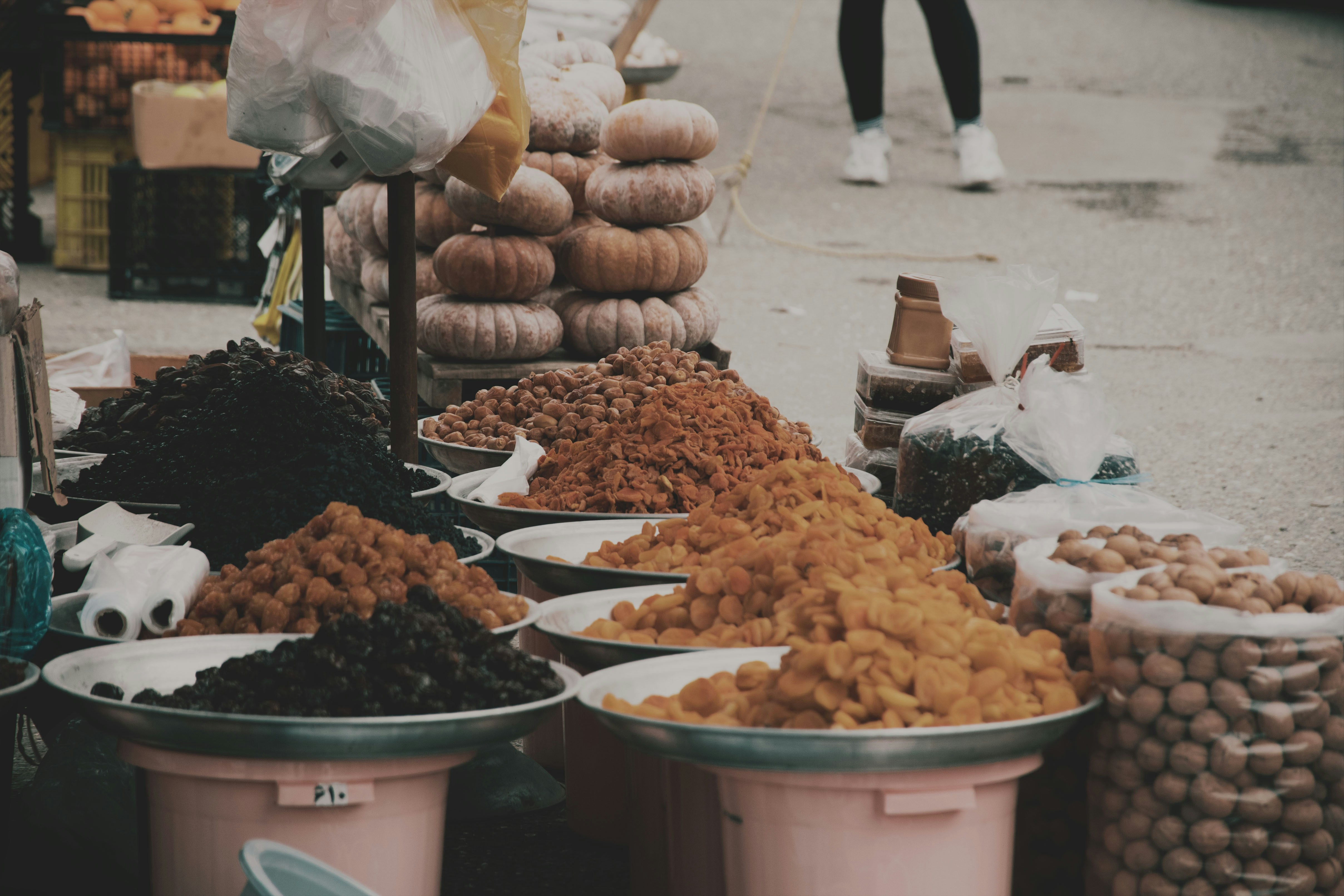


Persian cuisine has long been celebrated for its intricate balance of flavors, aromatic spices, and generous hospitality traditions. Among the most beloved aspects of this culinary heritage is the art of Persian mezze – an array of small plates that showcase the depth and sophistication of Iranian cooking. These carefully crafted appetizers represent more than food; they embody the Persian philosophy of sharing, community, and the celebration of life through dishes that bring people together around the table.
In Persian culture, mezze serves as both an introduction to a meal and a social experience unto itself. Unlike their Mediterranean counterparts, Iranian appetizers carry distinct flavor profiles that reflect the country's position at the crossroads of ancient trade routes, incorporating influences from the Silk Road while maintaining uniquely Persian characteristics. These small plates demonstrate the culinary artistry passed down through generations, adapting to new environments while preserving their essential cultural identity.
The Cultural Foundation of Persian Mezze
Persian mezze culture is deeply rooted in the concept of mehmooni – the Persian tradition of hosting and entertaining guests with abundant food and warm hospitality. This tradition, which encompasses the broader cultural practice of taarof and Persian hospitality etiquette, emphasizes the importance of making guests feel welcomed and honored through carefully prepared food.
The preparation of Persian small plates traditionally begins hours or even days before guests arrive, as many dishes benefit from time to develop their complex flavors. This preparation reflects the Persian value of prioritizing guests' comfort over personal convenience, demonstrating respect through the time and effort invested in creating memorable dining experiences.
Traditional mezze preparation often involves multiple generations working together in the kitchen, with recipes and techniques passed down from mothers to daughters, grandmothers to granddaughters. This intergenerational knowledge transfer ensures that not only the recipes survive but also the cultural context and meaning behind each dish.
In Persian households, mezze serves multiple purposes beyond simple nourishment. These small plates create opportunities for conversation, allow guests to sample a variety of flavors without committing to large portions, and showcase the host's culinary skills and cultural knowledge. The variety typically offered ensures that every guest will find something appealing, regardless of their individual preferences.
Essential Components of Persian Mezze
The foundation of authentic Persian mezze lies in understanding the key ingredients and flavor combinations that define Iranian cuisine. Unlike Mediterranean mezze, Persian small plates often feature unique combinations of herbs, dried fruits, nuts, and essential Persian spices that create distinctive taste profiles.
Fresh Herbs and Vegetables
Persian cuisine emphasizes fresh herbs, with sabzi khordan (a fresh herb platter) a cornerstone of any mezze spread. This typically includes:
- Fresh mint, basil, cilantro, and parsley
- Radishes, scallions, and cucumbers
- Feta cheese or other white cheeses
- Walnuts and other nuts
- Fresh bread for wrapping combinations
Pickled and Preserved Elements
Torshi (pickled vegetables) imparts an acidic brightness that balances the richer flavors in the mezze spread. Common varieties include pickled turnips, cauliflower, cabbage, and mixed vegetables, all seasoned with vinegar, herbs, and spices that create complex flavor layers.
Yogurt-Based Preparations
Persian mezze frequently features yogurt-based dishes that provide cooling elements to balance spicy or rich foods. Mast-o-khiar (yogurt with cucumber and mint) and mast-o-moosir (yogurt with Persian shallots) offer refreshing contrasts while incorporating traditional flavor combinations.
Egg-Based Dishes
Kashk-e bademjan is one of the most beloved Persian mezze dishes, combining fried eggplant with kashk (fermented whey) to create umami-rich flavors that showcase Persian cuisine's sophisticated approach to vegetable preparation. The dish showcases how simple ingredients can be transformed into complex, satisfying small plates through traditional techniques.
Popular Persian Mezze Dishes
Understanding specific Iranian appetizers helps to appreciate the diversity and sophistication of Persian small-plate culture. Each dish tells a story about Persian history, geography, and cultural values while offering distinct flavors and textures that enhance the overall mezze experience.
Mirza Ghasemi
This smoky eggplant-and-egg dish originates from Northern Iran and exemplifies how regional ingredients shape Persian mezze. Mirza Ghasemi combines fire-roasted eggplant with tomatoes, garlic, and eggs, creating a rich, smoky flavor that pairs beautifully with fresh bread and herbs.
Dolmeh
Persian dolmeh differs significantly from grape leaves found in other Middle Eastern cuisines. Persian versions often use cabbage, grape leaves, or other vegetables stuffed with rice, herbs, and sometimes meat, then slowly cooked until tender. The filling typically includes dill, parsley, cilantro, and other fresh herbs, creating vibrant, aromatic small plates.
Khorak-e Bademjan
This preparation showcases eggplant in a different style, often featuring baby eggplants stuffed with walnuts, herbs, and spices, then braised in pomegranate molasses or other acidic elements. The dish demonstrates Persian cuisine's masterful use of sweet-and-sour flavor combinations.
Fesenjan-Style Preparations
Smaller portions of dishes inspired by the traditional fesenjan (pomegranate walnut stew) are often served as mezze. These preparations feature ground walnuts and pomegranate molasses, paired with vegetables or small amounts of protein, creating rich, complex flavors in a small-plate format.
Persian Mezze in American Kitchens
The adaptation of Persian mezze traditions in American kitchens reflects the broader experience of Persian diaspora communities maintaining cultural connections while embracing new environments. Iranian-American families have developed innovative approaches to traditional mezze preparation that honor ancestral recipes while accommodating American ingredients and lifestyle constraints.
Ingredient Adaptations
Persian-American cooks have become creative in sourcing traditional ingredients, often substituting local alternatives while maintaining authentic flavors. For example, when Persian shallots (moosir) prove difficult to find, many cooks use regular shallots with adjusted preparation methods, or seek out Persian groceries and specialty markets to maintain authenticity.
Modern Preparation Techniques
Contemporary Iranian-American kitchens often incorporate modern appliances and techniques while preserving traditional flavor profiles. Food processors might replace hand-chopping for certain preparations, while slow cookers and pressure cookers help busy families maintain mezze traditions despite demanding schedules.
Fusion Influences
Some Persian-American families have developed fusion approaches to Persian small plates, incorporating local ingredients or techniques while maintaining core Persian flavor principles. These adaptations often reflect personal and familial innovations rather than traditional recipes, underscoring the living, evolving nature of diaspora cuisine.
Preservation of Tradition
Despite adaptations, many Persian-American families prioritize maintaining authentic preparation methods for special occasions and cultural celebrations. Persian cultural traditions often center on food preparation and sharing, making mezze preparation an important means of transmitting cultural knowledge to younger generations.
Modern Interpretations and Innovations
Contemporary Persian chefs and home cooks continue to evolve Persian mezze while respecting itstraditional foundations. These innovations often reflect changing dietary preferences, ingredient availability, and lifestyle considerations while maintaining the essential character of Persian small plate culture.
Health-Conscious Adaptations
Modern interpretations often emphasize the naturally healthy aspects of traditional Iranian appetizers, highlighting their use of fresh herbs, vegetables, legumes, and healthy fats. Many traditional Persian mezze dishes align well with contemporary nutrition principles and require minimal adaptation for health-conscious diners.
Presentation Innovations
While flavors remain traditional, presentation styles have evolved to incorporate modern plating techniques and aesthetic preferences. Persian-American restaurants and home cooks often present traditional mezze with contemporary styling while maintaining authentic taste profiles.
Seasonal Adaptations
Modern Persian cooks increasingly emphasize seasonal ingredient availability, adapting traditional Persian small plates to highlight locally available produce while maintaining traditional flavor combinations and preparation techniques.
Creating Your Own Persian Mezze Experience
Building an authentic Persian mezze experience requires understanding both the individual dishes and their cultural context. Success depends on balancing flavors, textures, and cultural authenticity while considering practical preparation constraints.
Planning Your Mezze Spread
Effective mezze planning involves selecting dishes that complement each other while providing variety in flavors, textures, and preparation methods. Consider including fresh elements, pickled components, hearty dishes, and lighter options to create a balanced experience that reflects traditional Persian hospitality.
Preparation Timeline
Many Persian small plates benefit from preparation, with some dishes improving in flavor when prepared hours or days in advance. Planning your preparation timeline ensures complex dishes receive adequate attention while allowing hosts to enjoy their guests' company rather than spending excessive time in the kitchen.
Serving and Presentation
Traditional Persian mezze presentation emphasizes abundance and variety, with multiple small dishes arranged to encourage sharing and conversation. The art of Persian hospitality entails ensuring that guests feel welcome and comfortable, and the presentation of mezze should reflect this through generous portions and attractive arrangements.
Incorporating Traditional Elements
Authentic Persian mezze experiences benefit from traditional accompaniments, including fresh herbs, high-quality bread, and appropriate beverages. These elements support the main dishes and provide guests with tools to customize their dining experience to their preferences.
Preserving Persian Culinary Heritage
As Persian communities continue to grow and evolve in America, the art of mezze preparation remains a vital link to ancestral traditions while embracing innovation and adaptation. Whether preparing traditional Persian mezze for family gatherings, cultural celebrations, or sharing Persian culture with non-Persian friends, these small plates offer accessible entry points into the rich world of Persian cuisine. The combination of complex flavors, generous hospitality, and cultural significance makes Persian mezze an enduring tradition that enriches both Persian communities and the broader American culinary landscape.
Visit United Tribes today to learn more about Persian culture and community, including authentic Persian restaurants, cultural events, and opportunities to connect with fellow Persian-Americans who share your appreciation for traditional Persian cuisine and hospitality.


