
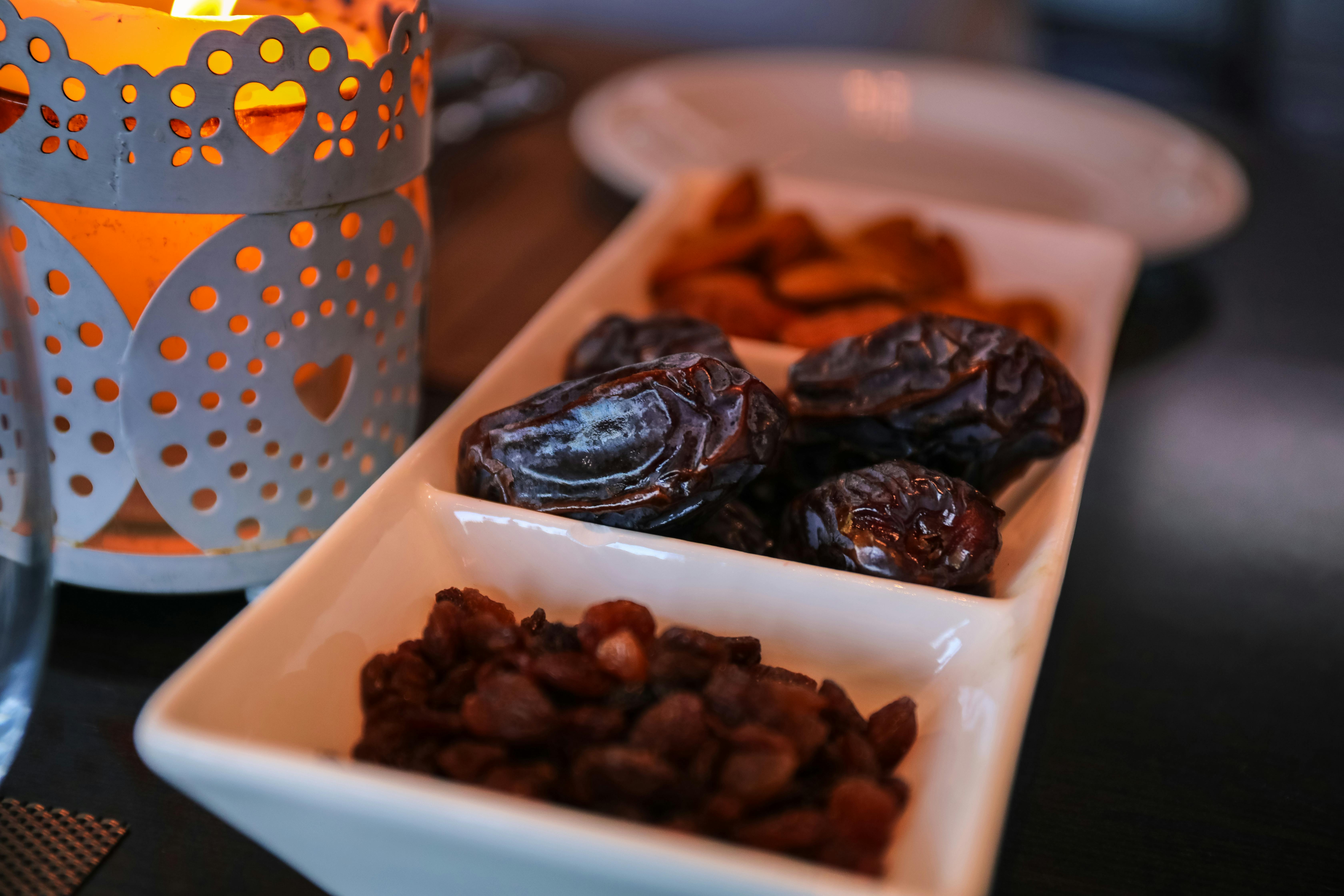

Winter in Persian culture is a time of gathering, warmth, and nourishment through food that feeds both body and soul. For Iranian-American families across the United States, maintaining these Persian winter food traditions has become a beautiful bridge between their ancestral homeland and their new lives in America. As temperatures drop and families seek comfort, the aromatic spices and hearty stews of Persian cuisine provide not only physical warmth but also emotional connection to their cultural roots.
The adaptation of traditional Iranian comfort food in American kitchens tells a story of resilience, creativity, and cultural preservation. From the bustling Iranian communities in Los Angeles to the smaller Persian enclaves in cities like Washington D.C. and Houston, families continue to prepare time-honored winter dishes while adapting to local ingredients and modern lifestyles. These culinary traditions serve as powerful reminders of home, especially during the colder months when the need for comfort and community becomes most pronounced.

Welcome to United Tribes
Where Persian Culture Comes Alive
Join Your Tribe
Connect with your people
Discover Events
Watch parties & festivals
Find Persian Businesses
Restaurants, markets & more
Earn Crown Credits
Get rewarded for engaging
The Heart of Persian Winter Cooking
Persian winter cuisine centers on the philosophy of balancing flavors, temperatures, and nutritional needs during the colder months. Traditional Persian medicine categorizes foods as "hot" or "cold" based on their perceived effects on the body, and winter cooking emphasizes warming foods that provide sustained energy and comfort. This ancient wisdom translates beautifully into modern American kitchens, where Iranian-American families continue to prioritize these balancing principles.
The foundation of Persian winter food preparations relies heavily on legumes, grains, and warming spices that create complex, layered flavors. Essential spices like turmeric, cinnamon, and dried mint play crucial roles in these winter dishes, providing not only flavor but also the medicinal properties valued in Persian culture. These spices, once difficult to find in American markets, are now readily available in Persian grocery stores and mainstream supermarkets, making it easier for families to maintain their culinary traditions.
The communal aspect of winter cooking is not to be overlooked. Persian winter dishes are typically prepared in large quantities, encouraging family gatherings and the sharing of meals. This tradition has adapted beautifully to American life, where Iranian-American families often use winter cooking as an opportunity to teach younger generations about their heritage while creating lasting memories around the dinner table.
Ash Reshteh: The Ultimate Winter Comfort Soup
Ash reshteh stands as perhaps the most beloved Persian winter soup, representing the perfect marriage of nutrition and comfort. This thick, hearty soup combines fresh herbs, legumes, and thin noodles in a symphony of flavors that warms from within. For Iranian-American families, preparing ash reshteh has become a cherished winter ritual that connects them to generations of ancestors who relied on this nourishing dish during cold months.
The traditional recipe calls for a mixture of herbs, including parsley, cilantro, dill, green onions, and spinach, combined with kidney beans, chickpeas, lentils, and thin Persian noodles called reshteh. What makes this dish particularly special is the kashk, a fermented whey product that adds a distinctive tangy flavor and creamy texture. In the United States, finding authentic kashk was once challenging, but Persian markets and online retailers now make this essential ingredient accessible to Iranian-American cooks nationwide.
Adapting Ash Reshteh for American Kitchens
Iranian-American families have developed creative adaptations to make ash reshteh preparation more convenient without sacrificing authenticity. Many families prepare large batches during weekends, freezing portions for quick weeknight meals. Some have discovered that American-grown herbs work beautifully in the recipe, though many still prefer to source Persian herbs from specialty markets when available.
The cooking process itself has become a family affair in many Iranian-American households. Children learn to clean and chop herbs, while parents share stories about their own childhood experiences with ash reshteh. This collaborative cooking approach ensures that cultural knowledge passes from one generation to the next, even as families adapt to busy American lifestyles.
Modern adaptations include using slow cookers and pressure cookers to reduce cooking time. However, many families insist that the traditional, long, slow cooking method produces superior flavor. Some Iranian-American cooks have experimented with incorporating locally available greens, such as kale or collard greens, to create unique fusion dishes that honor both their Persian heritage and their American surroundings.
Haleem: A Labor of Love and Tradition
Haleem represents one of the most labor-intensive yet rewarding dishes in Persian-American cuisine. This rich, porridge-like stew combines wheat, lentils, and meat into a creamy, deeply satisfying meal that provides substantial warmth and nutrition during the winter months. The preparation of haleem requires patience and dedication, making it a true labor of love that Iranian-American families typically reserve for special occasions and the coldest winter days.
The traditional haleem recipe involves cooking wheat berries and lentils until they break down completely, while meat is separately slow-cooked until it becomes tender enough to shred. The two components are then combined and cooked together until they achieve a smooth, creamy consistency. This process can take several hours, making haleem a weekend project for most Iranian-American families.
Modern Techniques for Traditional Flavors
Iranian-American cooks have embraced modern kitchen appliances to make haleem preparation more manageable. High-powered blenders help achieve the desired smooth texture more quickly, while slow cookers allow for hands-off cooking that fits better into contemporary schedules. Some families use combination methods, starting the dish in a pressure cooker for initial cooking and then finishing it in a slow cooker to develop flavor.
The garnishing of haleem has also evolved in American kitchens. While traditional toppings include cinnamon, sugar, and clarified butter, many Iranian-American families have incorporated locally available nuts and dried fruits into their recipes. Some add a dollop of Greek yogurt for extra richness, while others experiment with different types of meat based on what's readily available in their local markets.
The communal preparation of haleem often coincides with Persian cultural celebrations, particularly during the winter festival of Shabe Yalda, when families gather to celebrate the longest night of the year. These occasions provide opportunities for Iranian-American communities to come together, share stories, and pass down culinary traditions to younger generations.
Regional Adaptations Across America
The diversity of Iranian-American communities across the United States has led to fascinating regional adaptations of traditional winter dishes. In California, where the largest Iranian-American population resides, access to authentic ingredients and Persian markets has enabled families to maintain traditional Persian recipes. However, even within this community, creative adaptations reflect the influence of California's diverse culinary landscape.
East Coast Iranian-Americans have developed different adaptations based on local ingredient availability and climate conditions. The longer, harsher winters in cities like New York and Boston have increased the emphasis on warming spices and heartier preparations. Many families in these regions prepare larger batches of winter soups and stews, capitalizing on the cold weather to store food naturally.
Southern Influences on Persian Winter Cooking
Iranian-American families in the American South have created some of the most interesting fusion adaptations. The use of local greens, such as collards and turnip greens, in ash reshteh creates a unique flavor profile that honors both Persian and Southern American culinary traditions. Some families have incorporated locally available beans and legumes, creating regional variations that reflect their specific American environment while maintaining Persian essence.
The hospitality traditions that define Persian culture have merged beautifully with Southern American hospitality customs. Persian taarof principles blend seamlessly with Southern customs of sharing food and welcoming guests, creating unique cultural expressions that celebrate both heritages.
In Texas, where significant Iranian-American communities are found in Houston and Dallas, families have adapted their winter cooking to the state's milder climate and the abundance of local ingredients. The availability of high-quality beef has influenced haleem preparations, while local herb varieties add interesting twists to traditional recipes.
Preserving Tradition Through Innovation
The preservation of Persian winter food traditions in America requires a delicate balance between maintaining authenticity and embracing practical adaptations. Iranian-American families have become masters at this balance, finding ways to honor their cultural heritage while adapting to American lifestyles, ingredients, and cooking methods.
The teaching aspect of winter cooking has become particularly important for maintaining cultural connections. Many Iranian-American parents utilize winter cooking sessions as opportunities to share their family history, explain the cultural significance behind traditional dishes, and ensure that this traditional knowledge is passed on to the next generation. These cooking lessons often extend beyond mere recipe instruction to include broader cultural education about Persian history, traditions, and values.
Building Community Through Food
Persian winter cooking has become a community-building activity within Iranian-American neighborhoods. Families often coordinate cooking sessions, sharing ingredients, techniques, and enjoying the finished dishes together. These collaborative efforts strengthen community bonds while ensuring that traditional knowledge remains vibrant and accessible.
Community centers and Persian cultural organizations frequently host winter cooking workshops, where experienced cooks share their knowledge with newer immigrants or younger community members. These events serve multiple purposes: preserving culinary traditions, building social connections, and creating support networks within the Iranian-American community.
The role of Persian restaurants in maintaining winter food traditions cannot be overlooked. Many Persian restaurants across America feature traditional winter dishes on their menus, introducing these foods to broader American audiences while providing authentic taste experiences for Iranian-American families. Some restaurants even offer take-and-bake options for dishes like ash reshteh, allowing families to enjoy traditional flavors with reduced preparation time.
Embracing Heritage Through Winter Traditions
Persian winter culinary traditions have found a vibrant new life in American kitchens, where Iranian-American families continue to create connections between their ancestral heritage and their contemporary lives. Through dishes like ash reshteh and haleem, these families maintain essential cultural bonds while adapting to new environments and lifestyles. The evolution of these traditions demonstrates the resilience and creativity of immigrant communities who refuse to let distance or circumstance diminish their cultural identity.
Visit United Tribes today and discover more about Persian culture and community, where you can find authentic Persian restaurants, cultural events, and connect with the vibrant Iranian-American communities that keep these beautiful winter traditions alive across the United States.
Make United Tribes Your Preferred Source
Add United Tribes on Google to get the latest stories, cultural updates, and community events directly in your Google Search and Top Stories.


