
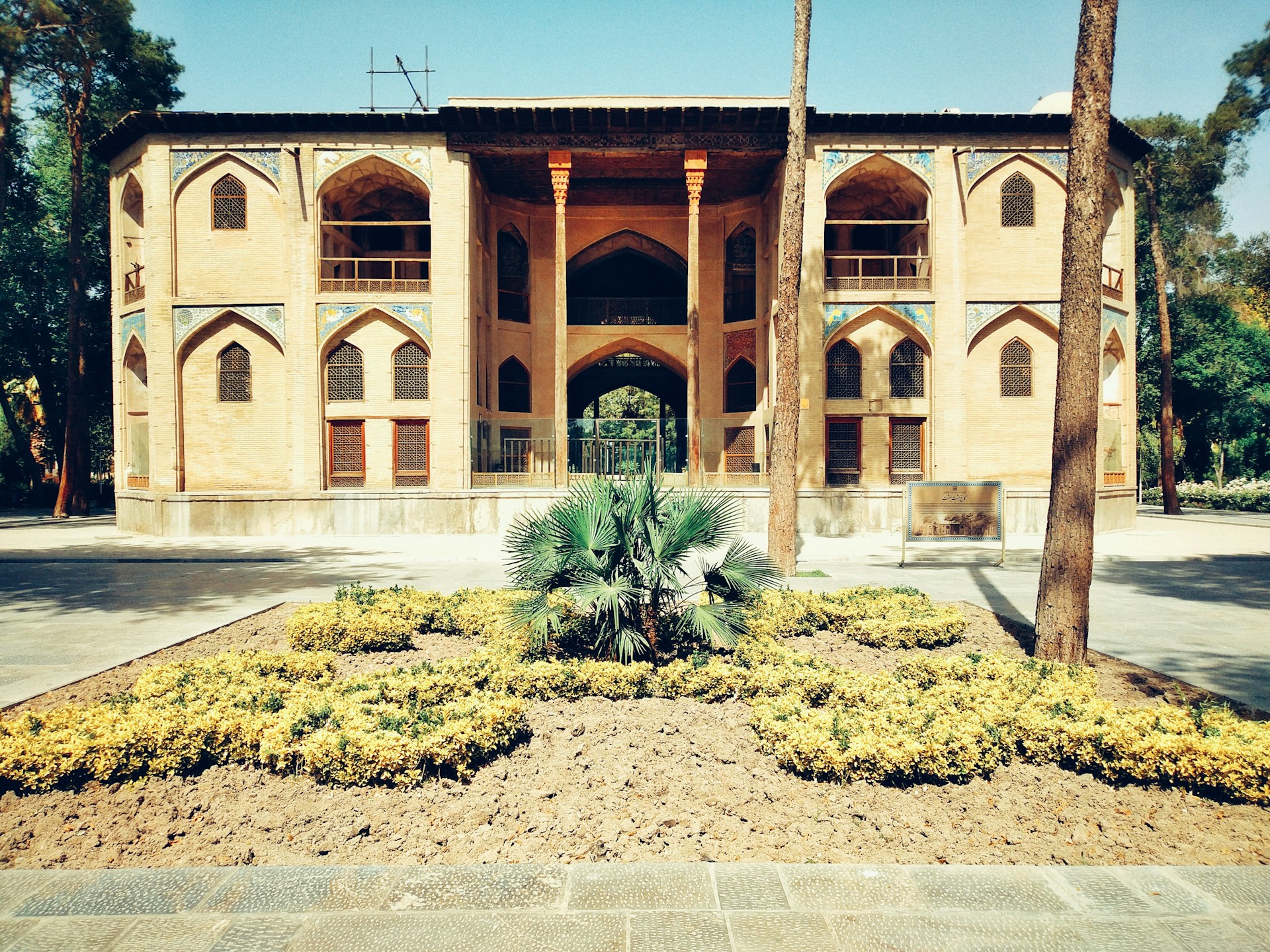

The ancient art of Persian garden design represents one of the most profound expressions of Persian gardens meaning in world culture. These masterfully crafted landscapes have transcended time, carrying deep spiritual and cultural significance from ancient Persia to modern Iranian-American communities across the United States. Far more than decorative spaces, Persian gardens embody a philosophical approach to harmony, paradise, and the connection between earthly and divine realms.
For Iranian immigrants and their descendants living in America, these garden principles continue to influence community gathering spaces, cultural centers, and even private homes. Understanding the rich symbolism behind these designs offers insight into how Iranian-American communities maintain their heritage while adapting to new environments.

Welcome to United Tribes
Where Persian Culture Comes Alive
Join Your Tribe
Connect with your people
Discover Events
Watch parties & festivals
Find Persian Businesses
Restaurants, markets & more
Earn Crown Credits
Get rewarded for engaging
The Historical Origins and Sacred Geometry
Persian gardens, known as "paradise gardens" or *pairidaeza* in ancient Persian, originated over 2,500 years ago during the Achaemenid Empire. The word "paradise" itself derives from this Persian term, highlighting the profound spiritual connection these spaces held in ancient Iranian culture.
The fundamental design follows the chahar bagh principle, a quadripartite layout that divides the garden into four sections separated by water channels or pathways. This sacred geometry represents the four rivers of paradise mentioned in Zoroastrian and Islamic traditions: rivers of water, milk, honey, and wine. The intersection of these waterways at the garden's center symbolizes the source of life and divine blessing.
Persian landscape design principles emphasize the careful balance of four essential elements: water (*ab*), earth (*khak*), plants (*giah*), and sky (*aseman*). Water serves as the lifeblood of the garden, flowing through geometric channels that create both visual beauty and practical irrigation. The sound of flowing water provides a meditative quality that transforms the space into a sanctuary for contemplation and spiritual reflection.
Ancient Persian gardens also incorporated the concept of *bagh-e behesht* (garden of paradise), where earthly beauty mirrors celestial perfection. This philosophical foundation explains why these gardens feel timeless and universally appealing, transcending cultural boundaries while maintaining their distinctly Persian character.
Symbolic Elements and Their Deeper Meanings
Every element within a Persian garden carries symbolic weight, creating layers of meaning that reward careful observation and contemplation. The cypress tree stands as perhaps the most iconic symbol, representing eternity and the connection between earth and heaven. Its towering, narrow form draws the eye upward, encouraging spiritual contemplation and reminding visitors of life's transcendent possibilities.
Rose gardens hold special significance in Persian culture, symbolizing divine love, beauty, and the beloved in classical Persian poetry. The interplay between roses and nightingales in Persian literature finds physical expression in these garden spaces, where fragrant blooms attract singing birds. This creates a sensory experience that connects visitors to centuries of Persian artistic and literary tradition.
Water features serve multiple symbolic functions beyond their practical cooling and irrigation purposes. Reflecting pools mirror the sky, creating a sense of infinite space and connecting the earthly garden to celestial realms. The geometric patterns created by intersecting water channels represent order emerging from chaos, reflecting Zoroastrian concepts of cosmic balance between light and darkness.
Pavilions and garden structures provide spaces for contemplation, poetry recitation, and cultural gatherings. These architectural elements, often featuring intricate tilework and calligraphy, serve as focal points that anchor the garden's spiritual and social functions. The positioning of these structures follows principles that maximize views of the garden's most beautiful elements while providing shade and comfort for extended contemplation.
Modern Interpretations in Iranian-American Communities
Iranian-American communities across the United States have adapted these ancient garden principles to create meaningful cultural spaces that honor their heritage while embracing their new environment. Community centers, cultural organizations, and private residences incorporate elements of Persian landscape design to maintain connections to ancestral traditions.
The Persian Cultural Center in Los Angeles features a modern interpretation of the chahar bagh design, with geometric pathways and water features that create gathering spaces for cultural events and celebrations. During Nowruz festivities, these spaces become central to community celebrations, demonstrating how traditional garden concepts continue to serve their original purpose as social and spiritual gathering places.
Private gardens in Iranian-American homes often incorporate simplified versions of classical elements: small water features, geometric plantings of herbs and flowers, and seating areas designed for family gatherings and hospitality. These adaptations maintain the essential spirit of Persian garden design while accommodating suburban American landscapes and modern lifestyle needs.
Many Iranian restaurants and businesses across the country draw inspiration from Persian garden aesthetics in their interior and exterior design. The integration of water elements, geometric patterns, and traditional plantings creates environments that evoke the peaceful, contemplative atmosphere of classical Persian gardens while serving contemporary commercial purposes.
The influence extends beyond physical spaces into event planning and cultural programming. Iranian-American cultural organizations often structure their festivals and gatherings around garden-inspired principles, creating experiences that engage multiple senses and encourage the kind of contemplative social interaction that traditional gardens were designed to facilitate. These connections to Persian tea culture and traditional music create rich cultural experiences that honor the holistic nature of Persian garden philosophy.
Contemporary Relevance and Cultural Preservation
The enduring appeal of Persian garden design reflects universal human needs for beauty, tranquility, and connection to nature. In an increasingly urbanized and digitally connected world, these ancient principles offer valuable insights for creating restorative spaces that nourish both individual well-being and community bonds.
Environmental sustainability has become an important consideration in modern interpretations of Persian garden design. Traditional water-wise plantings and efficient irrigation systems align well with contemporary concerns about resource conservation. Many Iranian-American gardeners are rediscovering native Persian plants that thrive in similar climates across the American Southwest, creating authentic gardens that also support local ecosystems.
The therapeutic qualities of Persian gardens have gained recognition in healthcare and wellness applications. Several medical centers and therapeutic facilities have incorporated Persian garden principles into their landscape design, recognizing the documented benefits of these spaces for stress reduction and healing. The combination of flowing water, fragrant plants, and geometric order creates environments that promote both physical and mental well-being.
Cultural preservation efforts increasingly recognize the importance of maintaining these design traditions as living practices rather than museum pieces. Iranian-American landscape architects and designers are developing new interpretations that honor traditional principles while addressing contemporary needs and environmental conditions.
The influence of Persian garden aesthetics has also extended into broader American landscape design, contributing to sustainable and contemplative garden movements. This cross-cultural exchange demonstrates how Iranian culture and Iranian-American communities contribute to the broader American cultural landscape while maintaining their distinctive heritage. The integration of these principles with contemporary Persian artistic expression creates new forms of cultural expression that honor the past while embracing the present.
Gardens as Living Cultural Heritage
Persian gardens and their distinct landscapes embody a philosophical approach to creating harmony between human needs and natural systems. Their influence on Iranian-American communities demonstrates how cultural traditions adapt and thrive in new environments while maintaining their essential spiritual and social functions. From ancient Persepolis to modern American suburbs, these design principles continue to create spaces that nourish the soul and strengthen community bonds.
The Persian gardens' meaning extends beyond aesthetics to encompass values of hospitality, contemplation, and connection that remain deeply relevant in contemporary life. As Iranian-American communities continue to grow and evolve, these garden traditions provide a foundation for cultural continuity while inspiring new forms of artistic and environmental expression.
Visit United Tribes today and find out more about Persian culture and community events that celebrate this rich heritage of design, philosophy, and cultural expression.
Make United Tribes Your Preferred Source
Add United Tribes on Google to get the latest stories, cultural updates, and community events directly in your Google Search and Top Stories.


