
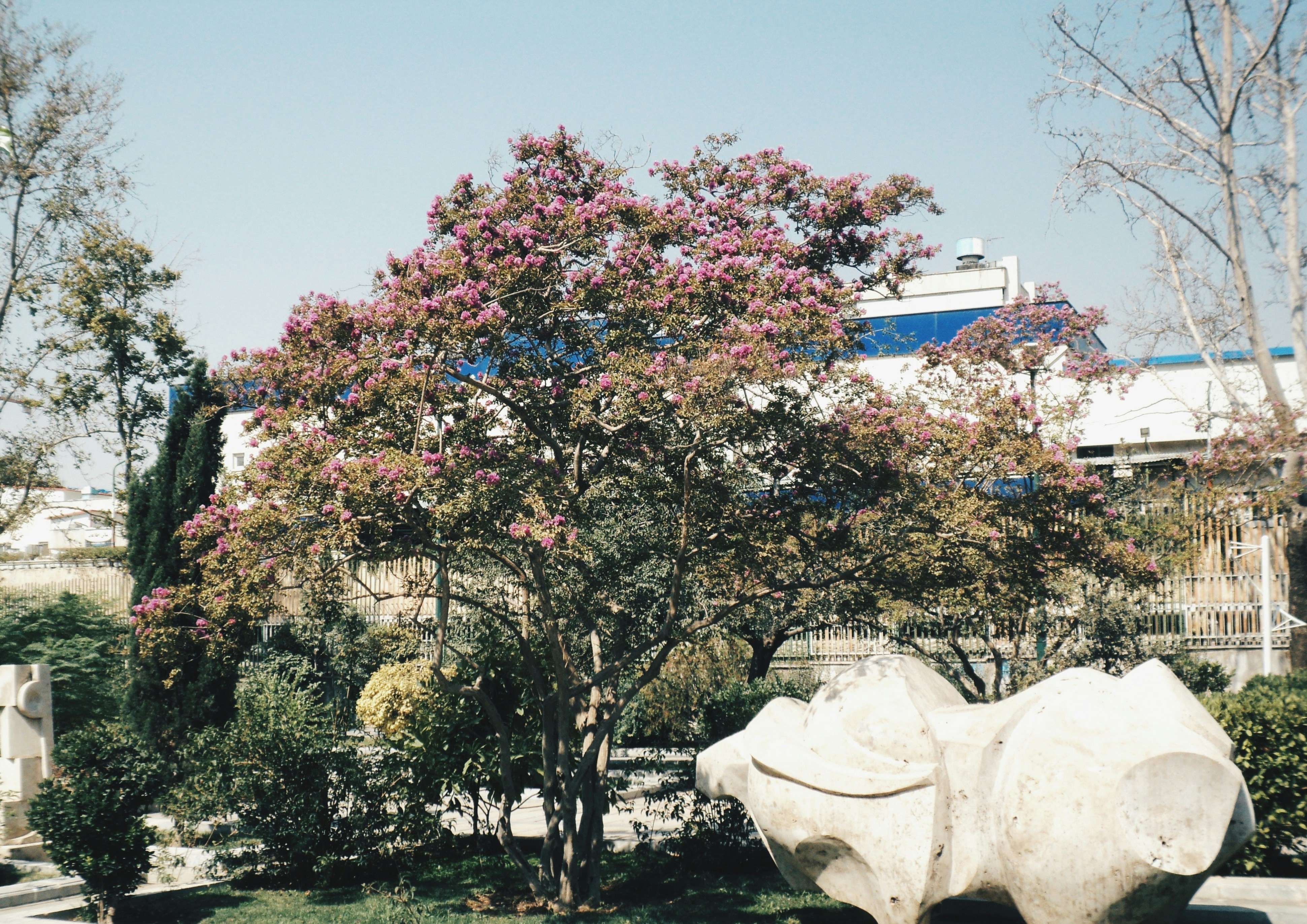

The Persian approach to springtime renewal isn't merely about celebrating warmer weather or blooming flowers. It represents a comprehensive philosophy that encompasses spiritual cleansing, community reconnection, and the eternal struggle between light and darkness. Through centuries-old customs and modern interpretations, Persian culture has preserved its unique perspective on what it truly means to begin anew.
The Ancient Roots of Persian Renewal Philosophy
Persian civilization's understanding of renewal dates back more than 3,000 years to Zoroastrian teachings that emphasized the cosmic struggle between good and evil and light and darkness. This foundational belief system shaped how Persian culture came to view the transition from winter to spring as a spiritual metaphor for human transformation and divine intervention.

Welcome to United Tribes
Where Persian Culture Comes Alive
Join Your Tribe
Connect with your people
Discover Events
Watch parties & festivals
Find Persian Businesses
Restaurants, markets & more
Earn Crown Credits
Get rewarded for engaging
The concept of Ahura Mazda, the "Wise Lord" in Zoroastrian tradition, represents the force of light and goodness that triumphs over darkness each spring. This theological foundation established a cultural framework that continues to influence Iranian values today, emphasizing righteousness, truth, and the soul's continuous renewal. Just as nature awakens from winter's dormancy, individuals are encouraged to shed spiritual lethargy and embrace new possibilities.
Ancient Persian texts describe spring as the period when Angra Mainyu, the destructive spirit, retreats, allowing Spenta Mainyu, the creative spirit, to flourish. This cosmic shift was not viewed as automatic but as something requiring active participation. Believers were expected to cleanse their homes, hearts, and minds to welcome positive energy, a practice that continues to shape Persian customs to this day.
The Persian calendar itself reflects this deep connection to renewal, with the new year beginning precisely at the spring equinox. This astronomical precision underscores how renewal is understood as both a cosmic and personal event, requiring intentional preparation.
Nowruz: The Ultimate Expression of Persian Renewal
Nowruz, the Persian New Year, stands as the most powerful expression of Persian renewal philosophy. Meaning "new day," the celebration includes weeks of preparation and thirteen days of festivities that embody every aspect of spring symbolism. Persian families worldwide engage in rituals that foster personal and communal transformation.
At the heart of Nowruz is the Haft-Sin table, which features seven symbolic items beginning with the Persian letter "sin." Each element represents a facet of renewal: sabzeh (sprouted wheat) for rebirth, samanu (wheat pudding) for abundance, senjed (dried oleaster) for love, sir (garlic) for protection, sib (apple) for beauty, somagh (sumac) for patience, and serkeh (vinegar) for wisdom. Together, these symbols form a vision of the renewed world families hope to cultivate.
Another key ritual is khooneh tekouni, or "house shaking," a deep cleaning of the home meant to remove the previous year's negative energy. This practice goes beyond tidying—it is a spiritual act that mirrors inner purification and prepares space for new blessings.
Chaharshanbe Suri, the fire-jumping festival held before Nowruz, represents the ultimate act of symbolic purification. Participants leap over flames while chanting a verse that asks the fire to take away illness and sorrow while granting strength and vitality in return.
The Poetry of Renewal in Persian Literature
Persian literature has long served as a vessel for expressing the culture's refined understanding of renewal and transformation. Poets such as Hafez, Rumi, and Ferdowsi infused their works with themes of spiritual awakening and rebirth, shaping how generations understand the arrival of spring.
Hafez's ghazals often compare the arrival of spring to the opening of the heart or the awakening of divine love. His imagery captures the belief that renewal is both external and internal, reflecting nature's rebirth and mirroring personal transformation.
In the Shahnameh, Ferdowsi presents renewal through heroic cycles in which darkness and tyranny are overcome, restoring justice and light. Modern Persian poets continue this tradition, particularly resonating with diaspora communities through themes of loss, return, and rediscovery. Persian literary wisdom offers guidance for preserving identity while embracing change and new beginnings.
Sacred Geometry and Natural Cycles
Persian culture has long recognized the precision underlying natural cycles. The Persian garden, or chahar bagh, reflects this understanding through its four-part design that mirrors cosmic order and creates spaces for reflection and spiritual renewal.
Similarly, Persian rugs incorporate symbolic patterns that reflect cycles of death and rebirth. Central medallions often symbolize divine light, while surrounding motifs represent paradise or the soul's journey.
Traditional Persian architecture further aligns with natural rhythms through courtyards and wind towers that invite spring air and create balanced living environments. The concept of hava-ye nahar, or "spring air," refers not only to physical freshness but also to the breath of renewed life.
Community Rituals and Social Renewal
Persian culture emphasizes that individual renewal cannot exist apart from community harmony. One key tradition is Sizdah Bedar, the thirteenth day of Nowruz, when families gather outdoors to picnic and reconnect with nature. This practice reinforces the idea that renewal is both personal and collective.
Another tradition, Eid-didani, involves visiting family and friends during Nowruz in order of respect and age. These visits create opportunities for reconciliation, forgiveness, and renewed relationships, thereby restoring social bonds alongside spiritual well-being.
Charity also plays a central role in spring renewal. The concept of kheir, or goodness, encourages generosity and care for the community, reinforcing the belief that true renewal must uplift everyone.
Balance and Harmony in Iranian Philosophy
Central to Iranian philosophy is ta'adol, or balance—a concept especially emphasized during the spring renewal period. Persian culture teaches that sustainable renewal requires harmony between opposing forces such as work and rest, tradition and change, and material and spiritual life.
The principle of hekmat, or wisdom, stresses patience and trust in natural timing. Just as spring unfolds gradually, renewal is understood as a process that cannot be rushed.
The concept of mehr, meaning love or kindness, also expands during this season. Renewal is understood as an act rooted in compassion—for oneself, one's family, one's community, and the divine.
Traditional Persian medicine reflects this philosophy through seasonal dietary and lifestyle adjustments guided by mizaj, or temperament. These practices recognize individual needs while maintaining collective balance.
Embracing Persian Renewal Wisdom Today
Persian ideas of renewal remain deeply relevant in the modern world. Through traditions such as Nowruz, literary heritage, and community rituals, Persian culture demonstrates that meaningful renewal involves the interplay of spiritual, social, and personal transformation.
For Persian communities worldwide, these practices serve as bridges between ancient wisdom and contemporary life, offering thoughtful alternatives to fast-paced, individualistic approaches to change. The emphasis on balance, patience, and shared responsibility provides enduring guidance for navigating life's cycles.
Visit United Tribes today to discover more about Persian culture and community events that celebrate these timeless traditions of renewal and rebirth.
Make United Tribes Your Preferred Source
Add United Tribes on Google to get the latest stories, cultural updates, and community events directly in your Google Search and Top Stories.


