
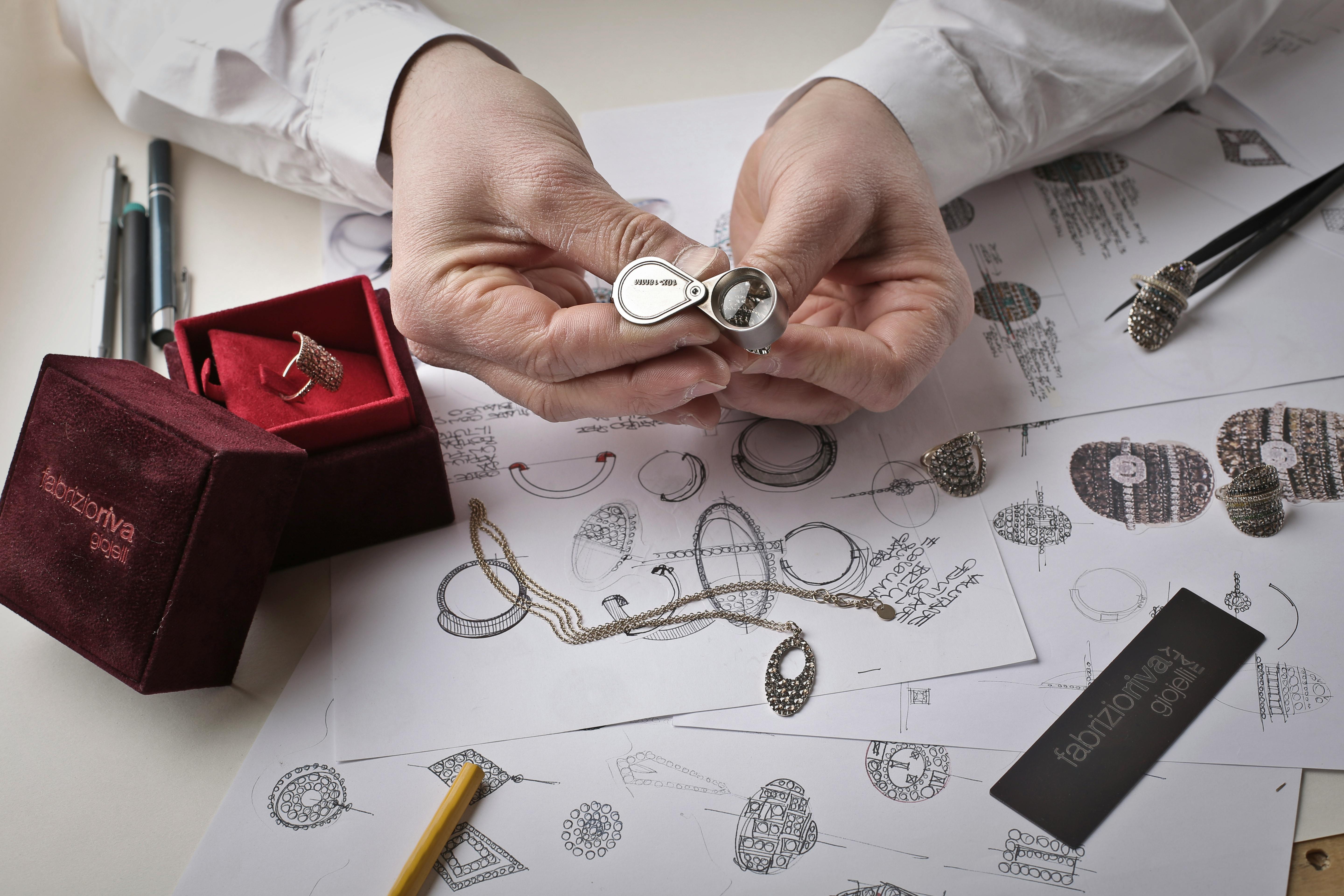

The intricate art of Persian jewelry has captivated the world for millennia, with its elaborate designs, symbolic meanings, and masterful craftsmanship representing one of humanity's oldest luxury traditions. Today, Iranian-American jewelers across the United States are breathing new life into these ancient techniques, creating stunning pieces that honor their heritage while appealing to contemporary tastes. From the bustling jewelry districts of Los Angeles to boutique studios in New York, Persian jewelry has become a thriving market where tradition meets innovation, allowing modern wearers to connect with a rich artistic legacy spanning thousands of years.
The Ancient Roots of Persian Jewelry Artistry
Persian jewelry craftsmanship dates back over 2,500 years to the Achaemenid Empire, when skilled artisans created elaborate pieces for the nobility. The tradition encompasses a rich vocabulary of symbols, techniques, and materials that have been passed down through generations of master artisans. Iranian craftsmanship is distinguished by its meticulous attention to detail, with techniques like granulation, filigree, and repoussé creating textures and patterns that are unmistakably Persian.

Welcome to United Tribes
Where Persian Culture Comes Alive
Join Your Tribe
Connect with your people
Discover Events
Watch parties & festivals
Find Persian Businesses
Restaurants, markets & more
Earn Crown Credits
Get rewarded for engaging
The historical significance of these pieces extends far beyond mere ornamentation. Persian jewelry served as status symbols, protective talismans, and repositories of cultural identity. Traditional materials included gold, silver, turquoise, pearls from the Persian Gulf, and precious stones from the mountains of Iran. Each element was carefully chosen not only for its beauty but also for its symbolic meaning and supposed protective properties.
Persian culture has always viewed jewelry as a form of artistic expression that connects the wearer to their ancestors and cultural identity. This philosophy continues to influence Iranian-American jewelers, who view their craft as a means of preserving and sharing their heritage with new audiences in the United States.
Symbolic Elements in Traditional Persian Jewelry Design
Understanding Persian jewelry requires an appreciation for its rich symbolic language, where every motif carries profound cultural significance. The cypress tree, for instance, represents eternal life and is often incorporated into earrings and pendants. The paisley pattern, known as "boteh" in Persian, symbolizes life and fertility and appears frequently in both traditional and contemporary pieces.
Birds and flowers feature prominently in Persian jewelry design, with peacocks representing royalty and immortality, while roses symbolize beauty and love. The "Tree of Life" motif is featured in necklaces and brooches, symbolizing the connection between earth and heaven.
Geometric patterns also play a crucial role in Persian jewelry aesthetics. Islamic geometric designs, with their intricate interlacing patterns, reflect the mathematical precision and spiritual symbolism that characterize much of Persian art. These patterns often incorporate the number eight, considered sacred in Persian culture, and create mesmerizing visual effects that seem to shift and change as the jewelry moves.
Color symbolism is equally important in traditional Persian jewelry. Turquoise, Iran's national stone, is believed to protect against the evil eye and bring good fortune. Deep blue lapis lazuli represents wisdom and truth, while red garnets symbolize passion and strength. Iranian-American jewelers today continue to honor these traditional color associations while adapting them for contemporary fashion sensibilities.
Modern Adaptations by Iranian-American Jewelers
Contemporary Iranian-American jewelers face the fascinating challenge of translating ancient designs for modern wearers without losing their cultural authenticity. Many have found success by scaling down traditional motifs to create pieces suitable for everyday wear, transforming elaborate ceremonial designs into elegant, contemporary jewelry that complements both professional attire and casual outfits.
Miniaturization techniques have allowed jewelers to preserve the intricate detail work that characterizes Persian jewelry while making pieces more practical for today's lifestyles. Where traditional pieces might have featured large, elaborate settings, modern adaptations often incorporate the same design elements in smaller, more wearable formats. This approach has made Persian jewelry more accessible to a broader audience, extending beyond the Iranian-American community.
Mixed metal techniques represent another significant innovation in contemporary Persian jewelry. While traditional pieces typically featured pure gold or silver, modern Iranian-American jewelers often combine metals to create striking visual contrasts and reduce costs. Rose gold paired with traditional yellow gold creates warm, sophisticated pieces, while platinum accents add contemporary elegance to classic designs.
Gemstone sourcing has also evolved to meet modern market demands and ethical considerations. While maintaining the traditional color palettes and symbolic meanings, many jewelers now source stones from certified suppliers and offer alternatives to traditional materials. Lab-created stones that mimic the appearance of traditional Persian gems enable the creation of more affordable pieces without compromising visual impact.
Contemporary Design Innovations
Iranian-American jewelers have pioneered several innovative approaches to traditional Persian culture jewelry design. Convertible pieces that can be worn in multiple ways appeal to practical, modern consumers, such as earrings that transform into pendants or brooches that can be worn as hair accessories. These designs honor the Persian tradition of elaborate jewelry while acknowledging contemporary preferences for versatility.
Modular jewelry systems enable wearers to customize their pieces according to the occasion and their personal style. A basic chain may accommodate various Persian-inspired pendants, or earrings feature interchangeable elements that allow for different looks. This approach reflects the Persian aesthetic principle of harmonious variation within established patterns.
Technology integration has also influenced modern Persian jewelry design. Some artisans use computer-aided design software to perfect traditional patterns before handcrafting pieces, ensuring mathematical precision in geometric designs while maintaining the human touch in execution. 3D printing is sometimes used for complex settings or prototype development, though the final pieces are still finished by hand using traditional techniques.
The American Market for Persian Jewelry
The market for Persian jewelry extends far beyond Iranian-American communities, appealing to jewelry enthusiasts who appreciate fine craftsmanship and distinctive design. American consumers have shown a particular interest in the symbolic aspects of Persian jewelry, with many drawn to the idea of wearing pieces that carry deep cultural meaning and historical significance.
Bridal jewelry represents a particularly strong market segment, with Persian-inspired designs appealing to couples seeking alternatives to conventional European styles. The rich symbolism of traditional Persian marriage jewelry, with motifs representing fertility, prosperity, and eternal love, resonates with modern couples regardless of their cultural background.
Interest in authentic Iranian craftsmanship has grown significantly among collectors as Americans become more aware of Persian artistic traditions. Galleries and exhibitions featuring Persian jewelry have helped educate potential customers about the historical significance and artistic value of these pieces, creating a more sophisticated market that appreciates quality craftsmanship and cultural authenticity.
The fashion industry's adoption has further enhanced the visibility of Persian jewelry designs. Fashion magazines and style influencers have featured Persian-inspired pieces in their editorial spreads and red-carpet coverage, introducing these designs to the mainstream American fashion consciousness. This exposure has led to increased demand and greater recognition for the work of Iranian-American jewelers.
Regional Hubs of Persian Jewelry Craft
Los Angeles stands as the epicenter of these luxuries, home to the largest Iranian-American population outside of Iran and numerous established jewelry businesses in the city's jewelry district. Tehrangeles, as the community is sometimes called, supports dozens of Persian jewelry studios and retailers, creating a concentrated market where traditional techniques flourish alongside modern innovations.
New York City represents another significant hub, with Persian jewelers establishing prestigious showrooms in the diamond district and boutique studios throughout Manhattan. The city's international clientele and appreciation for artisanal craftsmanship provide an ideal market for high-end Persian jewelry pieces.
Houston, Texas, has emerged as a growing center for Persian jewelry, with the city's diverse population and oil industry wealth creating demand for luxury jewelry with cultural significance. Many Iranian-American professionals in Houston seek Persian jewelry as a way to maintain connections to their heritage while building new lives in America.
San Francisco Bay Area jewelers focus particularly on the tech industry workforce, creating contemporary pieces that blend Persian aesthetics with Silicon Valley sensibilities. The region's appreciation for innovation and quality craftsmanship aligns well with the values of Persian culture jewelry making.
Preserving Traditional Techniques in a Digital Age
Despite technological advances and changing market demands, Iranian-American jewelers remain committed to preserving traditional Persian jewelry-making techniques. Master artisans continue to hand-teach apprentices the ancient arts of granulation, where tiny gold spheres are fused to create textured surfaces, and filigree, where fine metal wires are twisted into delicate lace-like patterns.
Workshop traditions persist in Iranian-American jewelry studios, where experienced artisans work alongside newer artists, sharing knowledge that has been passed down through generations. These workshops serve as cultural preservation centers, maintaining not only technical skills but also the cultural context and symbolic understanding that give Persian jewelry its meaning.
Documentation efforts by Iranian-American jewelers help preserve traditional techniques for future generations. Many create detailed photo and video records of their work processes, while others write books or teach classes to share their knowledge with broader audiences.
The community surrounding Persian jewelry in the United States extends beyond individual studios to encompass cultural organizations, museums, and educational institutions that support and promote this art form. Just as Persian culture celebrates renewal and continuity through traditions like Nowruz, these jewelry artisans embody the same spirit of maintaining heritage while embracing new opportunities in their adopted homeland.
Bridging Heritage and Contemporary Style
The symbolic richness, masterful craftsmanship, and distinctive aesthetic of Persian jewelry offer American consumers access to thousands of years of artistic tradition, while providing Iranian-American artisans with opportunities to preserve and share their cultural legacy. These jewelry pieces serve as bridges between cultures, allowing wearers to carry forward meaningful traditions in their daily lives.
The evolution of Persian jewelry in America demonstrates the dynamic nature of cultural preservation, where tradition serves not as a constraint but as a foundation for creative innovation. As these skilled artisans continue to adapt ancient techniques for modern markets, they ensure that the beauty and meaning of Iranian craftsmanship will continue to flourish for generations to come. Their success in the American market proves that authentic cultural expression, when skillfully presented, can find appreciation across all communities and backgrounds.
Visit United Tribes today and discover more about Persian culture and community, where you can explore the rich traditions and contemporary expressions that make Iranian-American heritage a vital part of America's cultural landscape.
Make United Tribes Your Preferred Source
Add United Tribes on Google to get the latest stories, cultural updates, and community events directly in your Google Search and Top Stories.


