
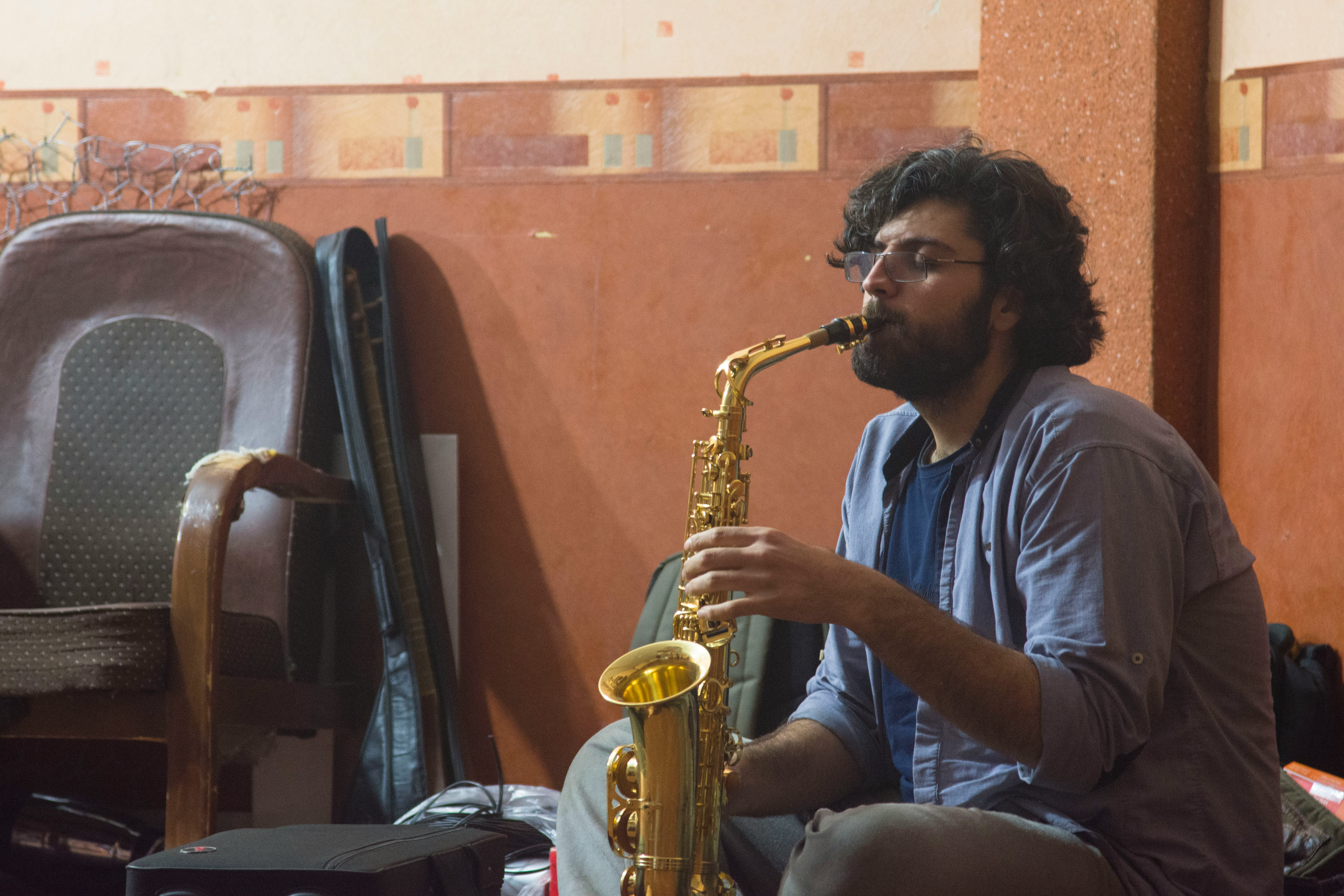


The melodic strains of a santour echoing through a suburban American home, the rhythmic beats of Persian pop at family gatherings, and the haunting vocals of classical Persian poetry at cultural celebrations—these sounds form the invisible threads that weave Persian music culture into the fabric of Iranian-American daily life. For the millions of Iranian Americans living across the United States, music serves as more than entertainment; it functions as a cultural anchor, a bridge to homeland memories, and a vital component of identity preservation in a foreign land.
The Soundtrack of Persian Family Life
In Iranian-American households, music shapes the emotional landscape of daily life. Morning routines often begin with classical Persian radio stations playing in the background, where the poetry of Hafez set to traditional melodies accompanies breakfast preparations. Parents consciously choose to fill their homes with Persian sounds, creating an auditory environment that naturally immerses children in their cultural heritage without formal instruction.
Family dinners become impromptu concerts where multiple generations share musical memories. Grandparents might hum folk songs from their childhood villages while helping prepare traditional dishes, inadvertently teaching younger family members ancient melodies that carry centuries of cultural wisdom.
The integration of Persian music into everyday family activities extends beyond passive listening. Many Iranian-American families maintain the tradition of singing together while doing household chores, with parents teaching their children traditional lullabies that their own grandmothers sang generations ago. This active participation in musical tradition creates muscle memory of cultural identity, ensuring that Persian heritage remains alive through embodied practice rather than mere intellectual understanding.
Celebrations and Cultural Milestones
Persian celebrations in America showcase the central role of music in maintaining cultural identity within diaspora communities. During Nowruz preparations, Iranian-American families carefully curate playlists that blend traditional Persian New Year songs with contemporary interpretations, creating soundscapes that honor both ancient customs and modern experiences. The music selection process itself becomes a family activity, with different generations advocating for their preferred styles while collectively building the celebratory atmosphere.
Nowruz celebrations demonstrate how Persian music adapts to American settings while maintaining its essential cultural functions. Community centers across major American cities host Nowruz events where live Persian musicians perform alongside recorded music, creating hybrid experiences that balance traditional expectations with practical limitations.
Wedding celebrations represent the most elaborate integration of Persian musical traditions into Iranian-American life. Couples must navigate the complex task of honoring traditional Persian wedding music while accommodating American venue expectations and diverse guest preferences.
The result often involves carefully orchestrated musical journeys that begin with classical Persian pieces during ceremony moments, transition to folk music during traditional dancing, and conclude with contemporary Persian pop that appeals to younger generations.
Shabe Yalda offers another powerful example of how music shapes cultural celebration in diaspora communities. This winter solstice tradition relies heavily on the recitation of Hafez poetry, often accompanied by traditional Persian instruments, creating an intimate musical atmosphere that transforms American living rooms into spaces of ancient cultural practice.
Identity Formation Through Musical Expression
For second and third-generation Iranian Americans, Persian music serves as a complex identity marker that helps navigate questions of belonging and cultural authenticity. Young Iranian Americans often report experiencing profound emotional responses to Persian music despite limited proficiency in Persian, suggesting that musical connection transcends linguistic barriers and taps into deeper cultural memory.
Many Iranian-American teenagers report feeling most connected to their Persian identity during moments when Persian music moves them emotionally, whether through tears during a melancholic classical piece or joy during upbeat folk dancing. These musical experiences provide validation of their cultural identity in ways that language learning or historical study might not, offering immediate, visceral connections to their ancestral heritage.
Musical Fusion and Cultural Evolution
Contemporary Iranian-American musicians are creating new forms of Persian musical expression that reflect their bicultural experiences. These artists blend traditional Persian musical elements with American genres like hip-hop, rock, and electronic music, creating sounds that speak directly to the diaspora experience while maintaining recognizable Persian musical DNA.
This musical fusion represents more than artistic innovation; it provides Iranian Americans with contemporary musical expressions of their lived experiences. Traditional Persian music, while deeply meaningful, often addresses homeland experiences and historical contexts that may feel distant to American-born generations. Fusion music fills this gap by addressing diaspora experiences through familiar Persian musical vocabularies.
Music as Cultural Transmission
Persian music education within Iranian-American communities reveals the deliberate strategies families employ to ensure cultural continuity across generations. Many Iranian-American parents invest significant resources in Persian music lessons for their children, viewing musical proficiency as essential cultural literacy rather than optional enrichment.
The intergenerational transmission of Persian musical knowledge often occurs through informal mentorship within extended family networks. Uncles who play santur might teach nephews during family gatherings, while aunts who sing beautifully become the family's unofficial music teachers for younger relatives.
Persian music also serves an educational function within Iranian-American communities by providing accessible entry points for learning Persian language and poetry. Many Iranian-American families use musical settings of classical Persian poetry to help children memorize verses that would otherwise prove challenging, leveraging melody and rhythm as mnemonic devices for cultural education.
Community Building Through Sound
Persian music creates and strengthens community bonds within Iranian-American neighborhoods and social networks. Community concerts featuring Persian musicians serve as gathering places where Iranian Americans can experience collective cultural expression while building social connections with others who share their heritage.
These musical gatherings often transcend mere entertainment, functioning as informal community meetings where cultural concerns, celebrations, and mutual support naturally emerge. The shared experience of emotionally responding to familiar Persian melodies creates immediate bonds among strangers and reinforces existing friendships within the community.
Persian music also facilitates intergenerational community building by providing a common ground where older and younger Iranian Americans can connect despite potential differences in language proficiency, religious observance, or political perspectives.
Digital platforms have expanded the community-building potential of Persian music by allowing Iranian Americans across different geographic locations to share musical discoveries, discuss favorite artists, and collectively build online Persian music communities.
Music as Cultural Heritage
Persian music continues to serve as a vital force in shaping Iranian American identity, weaving through daily routines, celebrations, and community connections in ways that preserve cultural heritage while adapting to American contexts. The evolution of Persian musical expression within diaspora communities demonstrates the dynamic nature of cultural preservation, showing how ancient traditions can flow through modern lives while remaining true to their essential cultural values.
As Iranian American communities continue to grow and evolve, music will undoubtedly remain central to their cultural expression, adapting to new circumstances while maintaining its essential role as the soundtrack of Persian life in America. Visit United Tribes today to learn more about Persian culture and community.


