
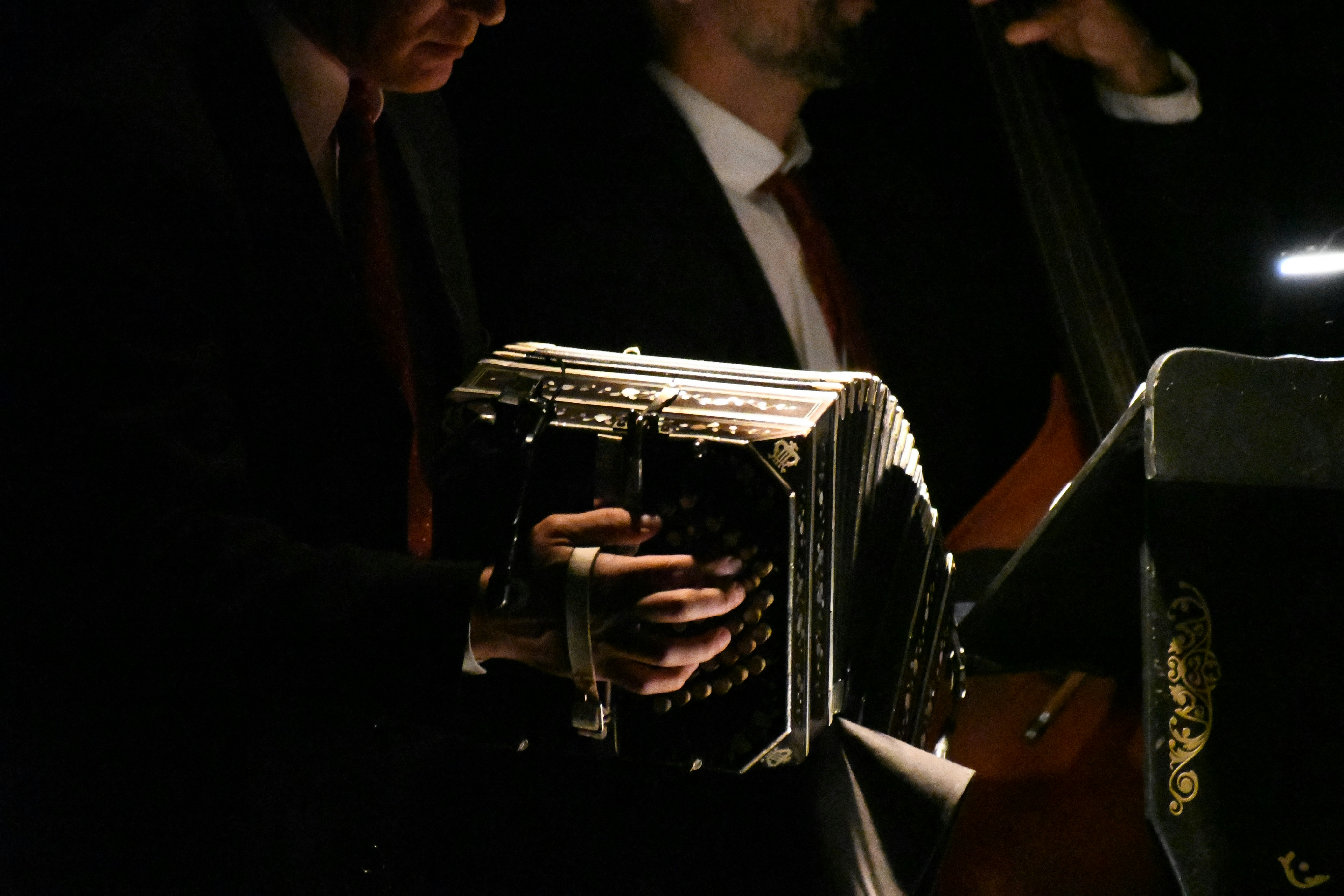

The rich tapestry of Persian music has undergone a remarkable transformation over the past few decades, as Iranian-American artists weave ancient melodies into contemporary soundscapes. From the haunting sounds of the santur echoing through modern recording studios to the fusion of traditional radif with jazz improvisation, Iranian musicians across the United States are creating a unique sonic landscape that honors their roots while embracing innovation.

Welcome to United Tribes
Where Persian Culture Comes Alive
Join Your Tribe
Connect with your people
Discover Events
Watch parties & festivals
Find Persian Businesses
Restaurants, markets & more
Earn Crown Credits
Get rewarded for engaging
The Foundation of Persian Musical Heritage
Persian music, with its sophisticated modal system known as radif, has captivated audiences for over a millennium. This intricate musical framework consists of 12 primary modes, called "dastgah," each with distinct emotional and spiritual characteristics. The complexity of Persian classical music lies not just in its technical demands but also in its philosophical approach to sound, in which each note serves as a vessel for deep emotional expression.
Traditional Persian instruments form the backbone of this ancient art form, each carrying centuries of cultural significance. The tar, a long-necked lute with its distinctive double-bowl body, produces the silvery tones that define Persian melody. The santur, a hammered dulcimer with 72 strings, creates cascading runs that mirror the flow of Persian poetry. The ney, an end-blown reed flute, embodies the spiritual essence of Sufi mysticism, while the tombak provides rhythmic foundation with its goblet-shaped ceramic body.
These instruments carried within them the collective memory of Persian civilization, the poetry of Hafez and Rumi, and the cultural identity that would prove essential to Iranian immigrants as they established new lives in America.
Modern Fusion Pioneers Leading the Movement
Contemporary Artists Bridging Cultures
Iranian musicians in the USA have emerged as cultural ambassadors, introducing Persian musical elements to diverse American audiences while creating entirely new genres. Artists like Kayhan Kalhor have masterfully demonstrated how the kamancheh (Persian spike fiddle) can dialogue with Western string instruments, creating compositions that speak to both Persian diaspora communities and curious American listeners.
Hossein Alizadeh, though primarily based in Iran, has profoundly influenced Persian music through his innovative approaches to the tar and setar, inspiring Iranian-American students to experiment with extended techniques and contemporary compositions. His influence can be heard in the work of second-generation Iranian-American musicians who grew up navigating between their parents' traditional expectations and their own artistic visions shaped by American musical diversity.
The fusion doesn't stop with classical crossover. Persian-American rock bands have incorporated traditional Persian instruments into electric arrangements, creating anthems that resonate with young Iranian-Americans seeking to express their dual identity. Hip-hop artists of Persian descent have sampled classical Persian recordings, layering rap verses over ancient melodies to create a sonic representation of their bicultural experience.
Jazz and Persian Music Convergence
The improvisational nature of Persian classical music has found natural synergy with American jazz traditions. The concept of "tahrir" (ornamentation) in Persian vocal music shares striking similarities with jazz scat singing. At the same time, the modal improvisations of the radif system align with jazz's approach to scales and chord progressions. Musicians like Persian-American pianist Ramin Djawadi have explored these connections, creating compositions that allow traditional Persian instruments to engage in call-and-response patterns with jazz ensembles.
This cross-pollination has produced remarkable collaborations where Persian santur players join American jazz quartets, their melodic runs weaving between saxophone solos and piano improvisations. Such partnerships demonstrate how Persian music has evolved beyond preservation toward active innovation and cultural exchange.
Digital Platforms and Cultural Preservation
The internet age has revolutionized how Persian music reaches audiences and preserves traditions. Iranian-American musicians now use digital platforms to share instructional content, ensuring that traditional Persian instruments continue to attract new players even when physical teachers are geographically distant. YouTube channels dedicated to Persian music instruction have thousands of subscribers, many of whom are young Iranian-Americans eager to connect with their cultural heritage.
Streaming services have also played a crucial role in the Persian music revival. Curated playlists featuring both classical Persian masters and contemporary Iranian-American fusion artists allow listeners to trace the tradition's evolution while discovering new voices. This accessibility has helped Persian music reach beyond ethnic enclaves, attracting non-Persian musicians and listeners who appreciate the tradition's sophisticated emotional range and technical complexity.
Social media platforms have become virtual performance spaces where Iranian musicians share their latest compositions, receive feedback from global Persian music communities, and collaborate across continents. These digital connections have helped maintain the living tradition of Persian music, ensuring that innovation continues while respecting classical principles and identity.
Cultural Events and Community Gathering
Festivals Celebrating Persian Musical Heritage
Across major American cities, Persian music festivals have become annual celebrations that showcase both traditional masters and contemporary innovators. These events serve multiple functions: they provide performance opportunities for Iranian musicians, educate diverse audiences about Persian culture, and create community gathering spaces for Iranian-Americans to connect with their heritage.
The Persian New Year celebrations, particularly during Nowruz festivities, have become showcase events for Persian music. Musicians perform both classical pieces and modern arrangements, creating soundtrack moments for community celebrations that reinforce cultural identity while demonstrating the evolution of Persian artistic expression in America.
During winter celebrations like Shabe Yalda, Persian musicians often perform traditional songs that accompany poetry readings, creating intimate cultural experiences that transport audiences back to ancestral traditions while firmly grounding them in contemporary American-Persian community life.
Educational Initiatives and Cultural Centers
Persian cultural centers across the United States have established music programs that teach traditional Persian instruments to both children and adults. These programs serve as crucial links between generations, allowing elderly masters to pass their knowledge to younger students while adapting teaching methods to American educational contexts.
Universities with significant Persian student populations have begun offering courses in Persian music theory and performance, legitimizing the tradition within academic contexts while providing research opportunities that document the evolution of Persian music. These academic programs often culminate in public performances that showcase student progress while educating broader university communities about Persian cultural contributions.
The Next Generation of Persian-American Musicians
Young Iranian-American musicians are creating the most innovative fusions, drawing from their bicultural upbringing to create music that speaks authentically to both their Persian heritage and their American experiences. These artists often describe their music as conversations between their grandmother's lullabies and their American friends' playlists, resulting in compositions that feel both ancient and contemporary.
Many second- and third-generation Iranian-Americans report that learning traditional Persian instruments helped them understand their family histories and cultural identity in ways that language alone couldn't. The physical act of playing a santur or tar connects them to generations of Persian musicians while allowing them to contribute their own chapters to the ongoing story of Persian musical evolution.
The success of these young artists has also attracted attention from non-Persian musicians and composers who seek to incorporate Persian musical elements into their own work, further expanding the reach and influence of Persian music.
This musical evolution reflects the broader Persian-American experience, where traditional hospitality values blend with American social norms and cultural preservation occurs alongside innovation and adaptation. Just as Persian cuisine has enriched American food culture through incorporating traditional spices in contemporary dishes, Persian musical traditions continue to evolve and enrich the broader American cultural landscape.
Harmonizing Heritage and Innovation
The revival of Persian music embodies the dynamic evolution of cultural identity in the American diaspora. Through the innovative work of Iranian musicians who skillfully blend traditional Persian instruments with contemporary genres, Persian musical heritage continues to thrive while reaching new audiences and inspiring fresh artistic expressions. This musical renaissance demonstrates how cultural preservation and innovation can coexist, creating art that honors ancestral wisdom while speaking to contemporary experiences.
Visit United Tribes today to learn more about Persian culture and community, discover local Persian musicians and cultural events, and connect with vibrant Iranian-American communities celebrating their heritage through music and the arts.
Make United Tribes Your Preferred Source
Add United Tribes on Google to get the latest stories, cultural updates, and community events directly in your Google Search and Top Stories.


