
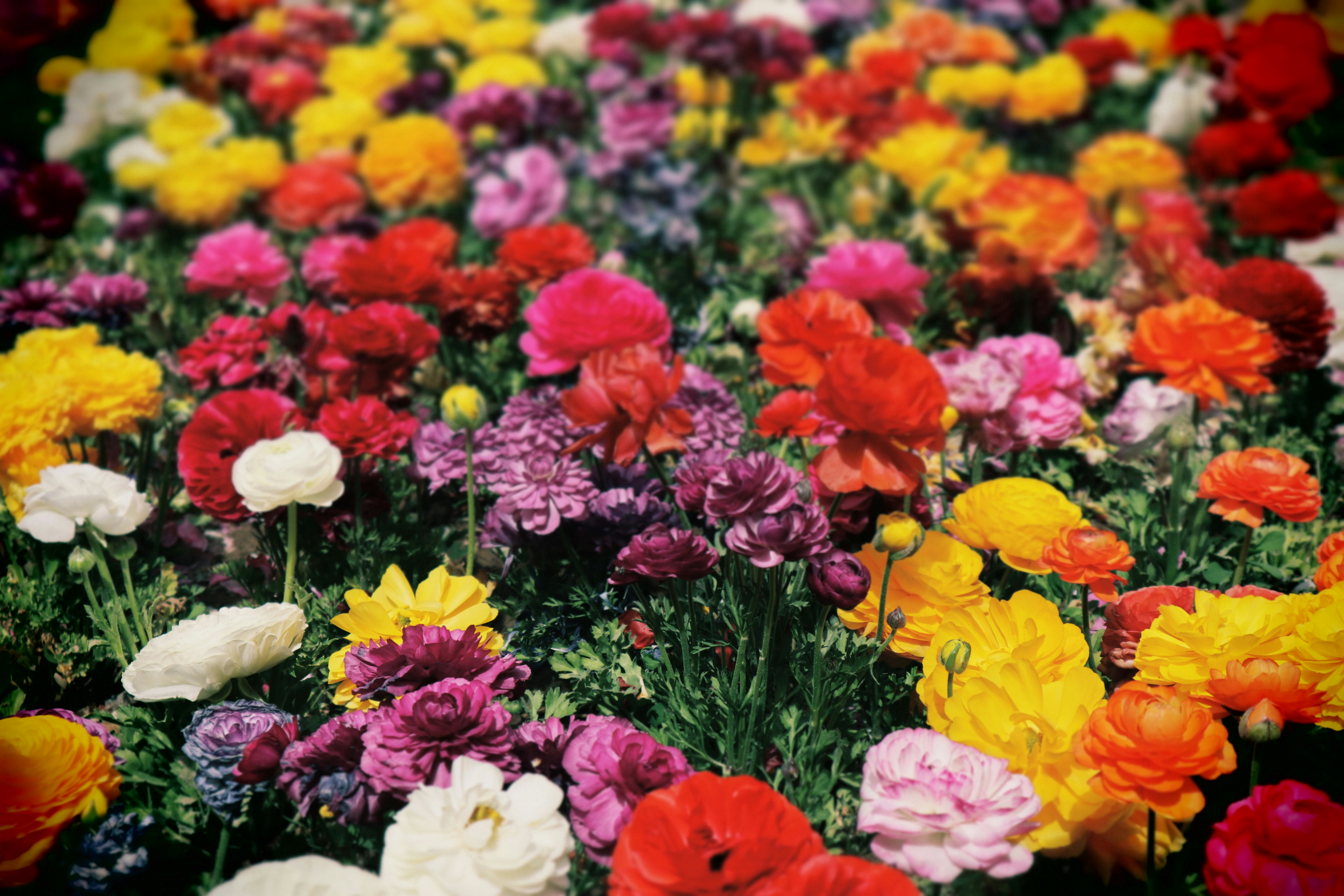

As April 2026 unfolds, Persian communities across America prepare to embrace one of their most cherished cultural traditions: celebrating spring through intimate connections with nature and gardens. Persian spring traditions have been woven into the fabric of Iranian culture for millennia, representing renewal, beauty, and the profound human connection to the natural world. These time-honored customs continue to flourish in diaspora communities, offering families meaningful ways to preserve their heritage while creating new memories in their adopted homeland.
The Ancient Roots of Persian Garden Culture
Iranian garden culture traces its origins to the ancient Persian Empire, where gardens were seen as paradise on earth. The Persian word "paradise" itself derives from "pairidaeza," meaning "walled garden," illustrating how deeply embedded this concept is within Persian identity. Traditional Persian gardens follow the classical fourfold design, with water channels, pathways, and carefully cultivated spaces that create harmony between human creativity and natural beauty.

Welcome to United Tribes
Where Persian Culture Comes Alive
Join Your Tribe
Connect with your people
Discover Events
Watch parties & festivals
Find Persian Businesses
Restaurants, markets & more
Earn Crown Credits
Get rewarded for engaging
This historical foundation continues to influence how Persian families approach outdoor spaces today. Even in modern American settings, Persian families instinctively seek out gardens, parks, and natural areas that evoke the tranquil beauty of their ancestral homeland. April 2026 presents the perfect opportunity for Persian-Americans to honor these ancient traditions while adapting them to contemporary life.
The concept of the Persian garden extends beyond mere landscaping – it represents a philosophy of living in harmony with nature's rhythms. Persian families traditionally view gardens as sacred spaces where multiple generations can gather, share stories, and pass down cultural wisdom.
Traditional Spring Celebrations in Persian Culture
Persian outdoor gatherings spring celebrations center around Sizdeh Bedar, the thirteenth day of the Persian New Year, when families traditionally spend the entire day outdoors. However, the spirit of outdoor celebration extends throughout the spring months, with families regularly organizing garden parties, picnics, and nature excursions that strengthen family bonds while honoring cultural heritage.
These gatherings typically feature traditional Persian foods prepared for outdoor dining, including fresh herbs, seasonal fruits, and dishes that are easy to share among large groups. Sabzi khordan, the traditional herb platter, takes on special significance during spring gatherings, as families seek out the freshest seasonal herbs to create elaborate displays that celebrate nature's abundance.
Music and poetry play essential roles in these outdoor celebrations, with families often bringing traditional instruments and reciting classical Persian poetry that celebrates nature's beauty. The works of poets like Hafez and Rumi frequently inspire these gatherings, as their verses perfectly capture the Persian appreciation for gardens, flowers, and the spiritual connection between humans and nature.
Persian spring celebrations also incorporate traditional games and activities that encourage interaction with natural surroundings. Children learn traditional songs about flowers and seasons. At the same time, adults share memories of similar gatherings from their childhood in Iran, creating a bridge between past and present that strengthens cultural identity.
Modern Persian Garden Gatherings in America
Contemporary Persian-American families have adapted traditional garden gatherings to fit their modern lifestyle while maintaining the essential cultural elements that make these celebrations meaningful. Persian spring traditions now include potluck-style gatherings in public parks, community garden projects, and backyard celebrations that blend Persian customs with American convenience.
Many Persian families organize monthly garden gatherings throughout the spring and summer months, rotating hosting duties among extended family and friends. These events often feature traditional Persian breakfast spreads served outdoors, complete with fresh naan, cheese, herbs, and sweet tea.
Community Garden Projects
Persian-American communities are increasingly establishing community gardens where families can grow traditional Persian herbs and vegetables while creating spaces for regular outdoor gatherings. These projects serve multiple purposes: preserving agricultural traditions, providing access to culturally important foods, and creating venues for Persian outdoor gatherings and spring celebrations.
Urban Garden Adaptations
For Persian families living in urban environments, container gardening and rooftop gardens have become popular ways to maintain connections to garden culture. Even small outdoor spaces can accommodate the essential elements of Persian garden traditions: aromatic herbs, flowering plants, and seating areas for family gatherings.
Essential Elements of Persian Outdoor Celebrations
Successful Persian outdoor gatherings spring events incorporate specific elements that honor traditional customs while ensuring comfortable, enjoyable experiences for all participants.
Traditional foods form the centerpiece of any Persian outdoor gathering. Families typically prepare dishes that travel well and are easy to share, including various rice dishes, grilled meats, fresh fruits, and an abundance of herbs and vegetables. The presentation of food reflects Persian aesthetic values, with colorful arrangements that mirror the beauty of garden settings.
Music and entertainment provide cultural continuity, with traditional Persian music creating an authentic atmosphere that transports participants beyond their immediate surroundings. Many families bring traditional instruments or create playlists featuring classical Persian music that complements the natural setting and enhances the cultural experience.
Decorative elements often include Persian carpets or rugs spread on the ground, traditional tea sets, and fresh flowers arranged in beautiful displays. These visual elements help transform any outdoor space into a setting worthy of Persian hospitality traditions, creating an environment where cultural customs feel natural and appropriate.
Seasonal Activities and Traditions
April 2026 offers Persian families numerous opportunities to engage in traditional spring activities that connect them with nature while honoring their cultural heritage. Persian spring traditions include specific activities tied to seasonal changes, agricultural cycles, and the spiritual significance of renewal and growth.
Flower appreciation remains central to Persian spring celebrations, with families organizing visits to botanical gardens, flower shows, and natural areas where spring blooms create spectacular displays. Persian culture places special emphasis on roses, tulips, and narcissus, flowers that hold deep symbolic meaning and frequently appear in Persian poetry and art.
Nature walks and hiking provide opportunities for multigenerational family bonding while exploring the natural beauty that Persian culture so deeply values. These outings often include elements of traditional Persian education, with elders sharing knowledge about plants, seasonal changes, and the cultural significance of various natural phenomena.
Picnic traditions in Persian culture extend far beyond simple outdoor meals, encompassing elaborate social gatherings that can last entire days. Families prepare extensive spreads of traditional foods, bring musical instruments, and create outdoor environments that rival the comfort and beauty of indoor celebrations.
Preserving Cultural Heritage Through Garden Traditions
For Persian-American families, maintaining garden traditions serves as a powerful way to preserve cultural heritage while adapting to life in a new country. Embracing the wisdom of Persian roots becomes particularly meaningful when families create outdoor traditions that honor their ancestors while building new memories with future generations.
Cultural transmission occurs naturally during garden gatherings, as older family members share stories, traditions, and knowledge with younger generations in relaxed, beautiful settings. The combination of natural beauty, traditional foods, and family togetherness creates ideal conditions for passing down cultural wisdom and strengthening family bonds.
Language preservation benefits from outdoor gatherings where Persian is spoken naturally and comfortably, helping children and grandchildren maintain fluency in their heritage language. Traditional songs, poetry, and storytelling become integral parts of these gatherings, ensuring that linguistic traditions continue alongside garden customs.
Identity reinforcement occurs when Persian families regularly participate in traditional outdoor gatherings that connect them with their cultural roots. These celebrations help maintain a strong cultural identity while demonstrating how Persian traditions can flourish in American settings, creating a sense of belonging that honors both heritage and new homeland.
Celebrating Persian Heritage Through Nature
As Persian-American families plan their spring celebrations in April 2026, they carry forward thousands of years of wisdom about the importance of nature, family, and cultural preservation. Understanding Persian heritage through garden traditions creates lasting memories while ensuring that future generations maintain strong connections to their cultural roots. These outdoor gatherings represent more than simple family events – they embody the Persian understanding that true happiness flourishes when families come together in natural settings that inspire gratitude, connection, and cultural pride.
Visit United Tribes today to learn more about Persian culture and community celebrations that help preserve these meaningful traditions for future generations.
Make United Tribes Your Preferred Source
Add United Tribes on Google to get the latest stories, cultural updates, and community events directly in your Google Search and Top Stories.


