
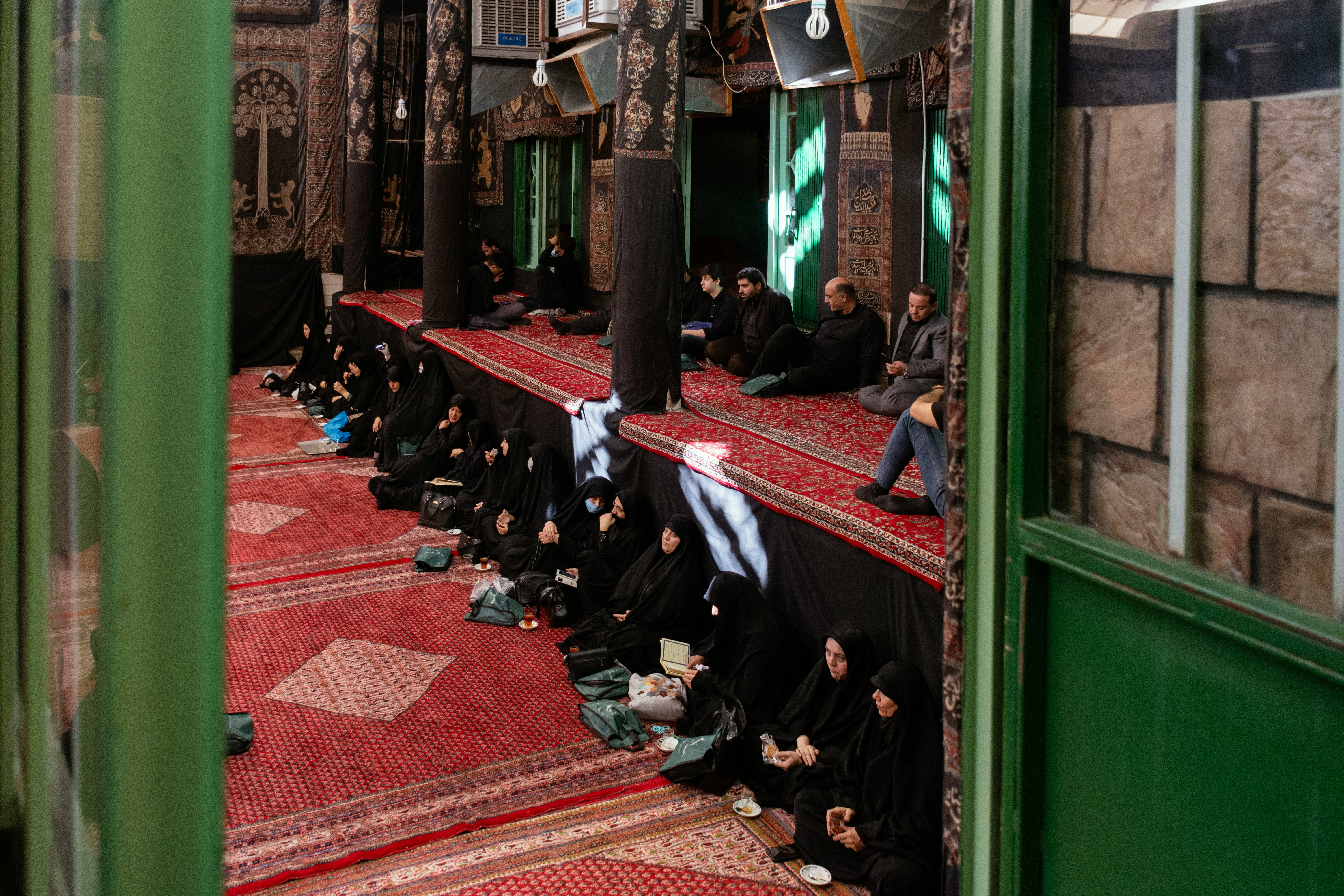

In an increasingly digital world, the ancient art of Persian storytelling traditions continues to weave its magic through Iranian communities across America. As we move into 2026, these time-honored narratives have evolved beyond traditional tea houses and family gatherings, finding new life on digital platforms, in contemporary art forms, and in innovative community spaces.
The Digital Renaissance of Persian Narratives
The transformation of Persian storytelling traditions in the digital age has created unprecedented opportunities for cultural preservation and innovation. Social media platforms, podcasts, and streaming services have become modern-day equivalents of ancient storytelling circles, where Iranian voices share their experiences with global audiences.

Welcome to United Tribes
Where Persian Culture Comes Alive
Join Your Tribe
Connect with your people
Discover Events
Watch parties & festivals
Find Persian Businesses
Restaurants, markets & more
Earn Crown Credits
Get rewarded for engaging
Digital storytelling platforms have emerged as powerful tools for maintaining cultural connections. Iranian Americans are using platforms like Instagram, TikTok, and YouTube to share everything from traditional Rumi poetry readings to contemporary interpretations of classic Persian tales. These digital spaces enable immediate feedback and community engagement, creating interactive storytelling experiences that were previously impossible in traditional formats.
The rise of Persian-language podcasts has particularly resonated with younger generations seeking to maintain their linguistic heritage while navigating American culture. These audio narratives often blend Farsi and English, reflecting the bilingual reality of many Iranian American households and creating a unique storytelling style that speaks directly to diaspora experiences.
Virtual storytelling events have become increasingly popular, especially following the pandemic's acceleration of digital adoption. Iranian community centers across the United States now host online Naghali sessions, where traditional storytellers perform classical epics for audiences spanning multiple time zones and geographic locations.
Family Stories as Cultural Anchors
Within Iranian American households, family storytelling remains one of the most potent forms of cultural transmission. These intimate narratives, shared over Persian tea and sweets, carry the weight of personal history while contributing to the broader formation of community identity.
Migration narratives have become particularly significant in shaping Iranian cultural identity in 2026. Stories of leaving Iran, adapting to American life, and maintaining cultural connections create a shared framework for understanding the Iranian American experience. These personal accounts often begin with grandparents or parents recounting their journey to America, weaving together themes of sacrifice, hope, and cultural preservation that resonate across generations.
The tradition of sharing family recipes has evolved into a form of culinary storytelling, in which each dish carries memories of the homeland and family traditions. Iranian American families often gather around the preparation of traditional foods like fesenjan or tahdig, using these moments to share stories about relatives, celebrations, and cultural practices from Iran.
Generational storytelling exchanges have also adapted to modern technology, with families using video calls to connect relatives across continents. These digital gatherings often feature elders sharing historical accounts while younger family members contribute contemporary perspectives, creating layered narratives that span decades and continents.
Contemporary Arts and Persian Narrative Expression
The Iranian arts and culture scene in America has experienced remarkable growth, with storytelling at its core. Iranian American artists, writers, and performers are creating works that honor traditional narrative structures while addressing contemporary themes relevant to their community's experience.
Performance art has become a particularly powerful medium for expressing modern Persian narratives. Iranian American theater groups across the country are producing works that blend classical Persian poetry with contemporary social commentary, creating performances that speak to both cultural preservation and modern identity formation.
Visual storytelling through photography, film, and digital art has captured the attention of both Iranian and mainstream American audiences. These visual narratives often explore themes of cultural duality, homeland connections, and generational changes within Iranian American families.
The emergence of Iranian American literature has provided another avenue for narrative expression. Authors are crafting novels, memoirs, and poetry collections that explore the complexity of bicultural identity, often drawing on traditional Persian storytelling techniques while addressing uniquely American experiences.
Music and storytelling continue their ancient partnership in modern contexts. Iranian American musicians are creating albums that tell stories through song, often incorporating traditional Persian instruments with contemporary production techniques to create soundscapes that reflect their dual cultural heritage.
Community Storytelling and Cultural Events
Iranian American communities have developed innovative approaches to collective storytelling that strengthen community bonds while preserving cultural traditions. These community-driven narratives often emerge during cultural celebrations and gatherings, creating shared experiences that reinforce group identity.
Cultural festivals serve as important venues for community storytelling, where individual narratives combine to create collective cultural expressions. Events like Persian New Year celebrations often feature storytelling components that connect contemporary Iranian American experiences with historical and mythological traditions. These gatherings provide opportunities for community members to share their own stories while participating in larger cultural narratives, much like the celebrations described in Nowruz and other cultural events.
The Psychological Impact of Narrative Identity
The role of storytelling in shaping psychological well-being within Iranian American communities cannot be understated. Persian storytelling traditions provide frameworks for understanding personal experiences while offering connections to cultural heritage that support mental health and identity formation.
Therapeutic storytelling has gained recognition among mental health professionals working with Iranian American clients. The process of crafting and sharing personal narratives helps individuals process migration experiences, cultural conflicts, and identity questions that are common in diaspora communities.
Research indicates that Iranian Americans who maintain strong connections to Persian storytelling traditions often report higher levels of cultural pride and psychological resilience. These narrative connections provide stability during periods of cultural adjustment and help individuals navigate the complexities of bicultural identity.
The concept of narrative coherence is particularly relevant to Iranian American identity formation. When individuals weave their personal experiences into broader cultural stories, they often develop stronger senses of self and a sense of belonging to the community.
Storytelling as healing has ancient roots in Persian culture, and this tradition continues in modern therapeutic contexts. Iranian American therapists and counselors increasingly incorporate narrative techniques that draw on cultural storytelling traditions to help clients process trauma, grief, and cultural adjustment challenges.
Looking Forward: The Future of Persian Storytelling
As we move into 2026, Persian storytelling traditions are poised to play an even more significant role in shaping Iranian cultural identity. The combination of technological innovation, increased cultural awareness, and growing community organization suggests a bright future for Persian narrative arts.
Educational initiatives are being developed to teach Persian storytelling techniques to younger generations, ensuring that these traditions remain vibrant and relevant. Schools with significant Iranian American populations are incorporating Persian literature and storytelling into their curricula, recognizing the educational and cultural value of these narratives.
The emergence of cross-cultural storytelling collaborations between Iranian Americans and other diaspora communities is creating new narrative forms that explore shared experiences of migration, identity, and cultural preservation.
Professional storytelling careers are becoming more viable for Iranian Americans as audiences grow and platforms expand. This professionalization of Persian storytelling ensures that the tradition will continue to evolve while maintaining its cultural significance.
The integration of Persian storytelling traditions into therapeutic, educational, and community development contexts suggests that these narratives will play increasingly important roles in supporting Iranian American community health and cohesion.
As we move forward, the wisdom embedded in these stories continues to offer guidance, connection, and hope to new generations of Iranian Americans navigating their place in an ever-changing world, carrying forward the wisdom of Persian roots while embracing the joy and resilience found in Persian humor and community connection.
Preserving Stories, Building Community
As Iranian American communities continue to grow and evolve, storytelling remains a vital force for connection, healing, and identity formation. The narratives shared today will become the cultural foundations for tomorrow's Persian American storytellers, creating an unbroken chain of wisdom that spans continents and generations. These stories not only preserve the past but also actively shape the future, offering guidance and inspiration for navigating the complexities of multicultural identity in modern America.
Visit United Tribes today and discover more about Persian culture and community, where stories connect us all and traditions continue to thrive in the modern world.
Make United Tribes Your Preferred Source
Add United Tribes on Google to get the latest stories, cultural updates, and community events directly in your Google Search and Top Stories.


