
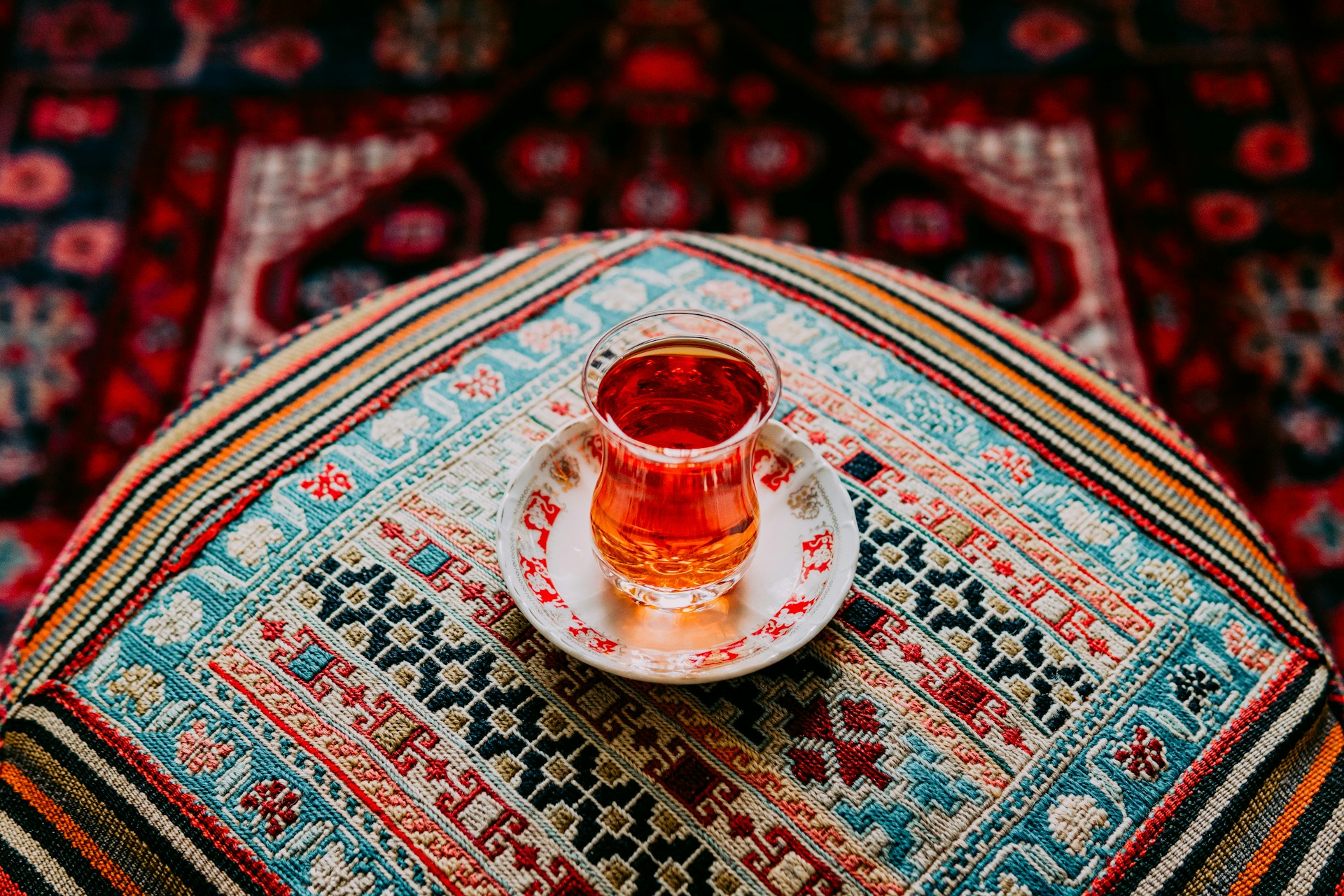

In the heart of Iranian-American homes across the United States, the gentle bubbling of a samovar and the clinking of delicate glass cups create a symphony that transcends borders and generations. Persian tea culture embodies centuries of tradition, hospitality, and community connection that Iranian immigrants have carefully preserved while adapting to life in America.
The significance of Persian tea extends beyond the daily act of brewing and serving. For Iranian-Americans, maintaining these time-honored customs serves as a bridge between their heritage and their new homeland, creating spaces where cultural identity thrives within modern American life.

Welcome to United Tribes
Where Persian Culture Comes Alive
Join Your Tribe
Connect with your people
Discover Events
Watch parties & festivals
Find Persian Businesses
Restaurants, markets & more
Earn Crown Credits
Get rewarded for engaging
The Sacred Art of Persian Tea Preparation
The preparation of Persian tea follows a meticulous process that Iranian-American families have passed down through generations. Unlike Western tea culture, Persian tea preparation involves a double-brewing method that creates the perfect balance of strength and flavor.
Traditional brewing begins with the iconic samovar, a metal vessel that serves as both water heater and tea concentrator. Iranian-Americans often invest in authentic samovars imported from Iran, viewing them as essential household items rather than decorative pieces. The bottom compartment holds water that's heated to just below boiling, while a small teapot sits atop, containing concentrated tea.
The brewing process requires patience and attention. Loose black tea, typically imported brands like Golestan or Ahmad, steeps slowly in the upper teapot while steam from the water below keeps it warm without overcooking. This method produces a rich concentrate that can be diluted according to individual preference, from light amber for children to deep copper for tea connoisseurs.
Quality indicators that Iranian-American families look for include the tea's color, clarity, and aroma. Properly prepared Persian tea should be clear enough to read through while maintaining a rich, amber hue. The fragrance should be robust without any bitter undertones that indicate over-steeping.
The Samovar: Heart of Iranian-American Kitchens
The Persian samovar tradition holds special significance in Iranian-American households, where these ornate vessels often serve as family heirlooms connecting generations to their ancestral homeland. Modern Iranian-American families adapt samovar use to contemporary American lifestyles while maintaining traditional brewing principles.
Traditional Charcoal Samovars
Original Persian samovars operated using charcoal or wood, creating an authentic brewing experience that some Iranian-American families still prefer for special occasions. These traditional models require outdoor use due to ventilation needs, making them popular for backyard gatherings and cultural celebrations.
Electric Samovar Adaptations
Most Iranian-American households opt for electric samovars that accommodate modern safety standards and indoor use. These contemporary versions maintain traditional brewing methods while meeting American electrical codes and kitchen requirements. Popular brands like Arzum and Korkmaz offer models specifically designed for diaspora communities.
Maintenance traditions surrounding samovars remain unchanged in American homes. Iranian-American families carefully clean and polish these vessels, often displaying them prominently in kitchens or dining areas as symbols of cultural pride and hospitality.
Daily Tea Rituals in Iranian-American Life
Iranian tea culture manifests differently across Iranian-American households, adapting to work schedules, school routines, and American social customs while preserving essential cultural elements. Morning tea often begins before dawn, with family patriarchs or matriarchs preparing the first batch for the household.
Workplace adaptations show Iranian-Americans bringing portable tea sets to offices or maintaining electric kettles for afternoon tea breaks. Many Iranian-American professionals schedule informal meetings around tea service, introducing colleagues to Persian hospitality customs.
Evening gatherings represent the pinnacle of Persian tea culture in American homes. Families gather after dinner, often extending into late evening hours, sharing tea while discussing daily events, family matters, and community news. These sessions frequently include traditional sweets like baklava, Persian cookies, or fresh fruits.
Weekend traditions expand tea service into elaborate family gatherings where extended family and friends join multi-generational tea ceremonies. Iranian-American families often prepare special meals that complement extended tea sessions, creating cultural experiences that educate American-born children about their heritage.
Preserving Tradition Across Generations
Second and third-generation Iranian-Americans face unique challenges in maintaining Persian tea culture while integrating into broader American society. Many families develop hybrid practices that honor traditional methods while accommodating busy American lifestyles.
Educational efforts within Iranian-American communities include teaching young family members proper tea preparation, serving etiquette, and the cultural significance behind various customs. Community centers and cultural organizations often host workshops where children learn traditional brewing techniques.
Cultural transmission occurs through daily participation rather than formal instruction. Iranian-American parents involve children in tea preparation, explaining the significance of hospitality customs and the role tea plays in Persian social interactions.
Modern innovations include Iranian-American entrepreneurs developing tea blends specifically for diaspora communities, combining traditional Persian tea with American preferences for convenience packaging and consistent quality.
Brewing Cultural Connection Through Tea
Persian tea culture continues to flourish in Iranian-American communities, serving as a daily reminder of cultural heritage while adapting to contemporary American life. Through the preservation of samovar traditions, brewing techniques, and hospitality customs, Iranian-Americans maintain vital connections to their ancestral homeland while building bridges within their adopted communities. These tea rituals create spaces where cultural identity strengthens across generations, ensuring that the essence of Persian hospitality continues to enrich American cultural diversity.
The enduring presence of Persian tea culture in American homes demonstrates the resilience of cultural traditions and their ability to provide comfort, community, and continuity across borders. As Iranian-American families continue to share these daily rituals with neighbors, friends, and colleagues, they contribute to America's rich multicultural tapestry while preserving invaluable heritage practices. Visit United Tribes today and find out more about Persian culture and community.
Make United Tribes Your Preferred Source
Add United Tribes on Google to get the latest stories, cultural updates, and community events directly in your Google Search and Top Stories.


