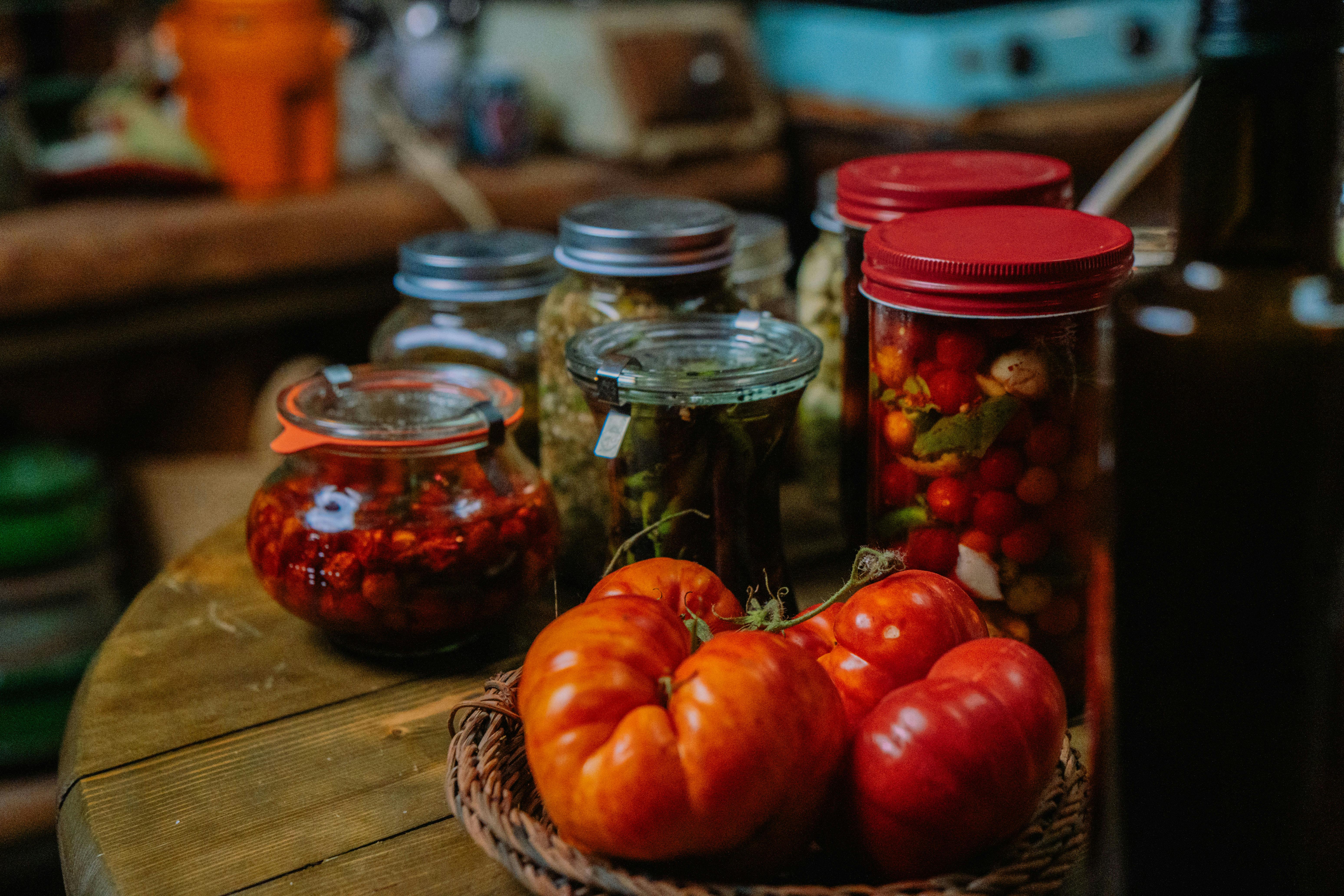

As autumn leaves begin their colorful transformation across America, Persian kitchens come alive with the rich aromas of seasonal cooking. The harvest season brings a bounty of ingredients that have been cherished in Persian autumn food traditions for centuries - from golden persimmons and vibrant pumpkins to fragrant quinces that perfume entire homes. Iranian-American families across the United States are discovering new ways to honor these ancient culinary traditions while embracing the abundant autumn harvests available in their local communities.
The art of seasonal cooking runs deep in Persian culture, where each ingredient is celebrated not only for its flavor but also for its connection to the earth's natural rhythms. Today's Iranian-American cooks are masterfully blending traditional Persian harvest cuisines and techniques with locally sourced autumn produce, creating dishes that honor their heritage while embracing their American surroundings.

Welcome to United Tribes
Where Persian Culture Comes Alive
Join Your Tribe
Connect with your people
Discover Events
Watch parties & festivals
Find Persian Businesses
Restaurants, markets & more
Earn Crown Credits
Get rewarded for engaging
The Sacred Trio of Persian Autumn Ingredients
Persian cuisine recognizes three essential autumn ingredients that form the foundation of seasonal cooking: persimmons (khormalu), pumpkins (kadu), and quinces (beh). Each brings its own unique character to the Persian table, contributing to both sweet and savory preparations that define the season.
Persimmons hold a special place in Persian culture, arriving just as the weather turns crisp. These golden orbs are prized for their honey-like sweetness and versatility in both traditional desserts and modern fusion dishes. Iranian-American families often seek out the Fuyu and Hachiya varieties available in American markets, finding them excellent substitutes for the Persian varieties they remember from home.
Pumpkins and winter squashes have long been staples of Persian cooking, particularly in northern provinces. The Persian approach to pumpkin differs significantly from typical American preparations, often incorporating the squash into rice dishes, stews, and even preserves. Iranian seasonal recipes frequently feature pumpkin as both a main ingredient and a subtle sweetener in complex dishes.
Quinces, perhaps the most distinctive of autumn's Persian treasures, transform completely when cooked. Their intense fragrance and ability to turn from hard and astringent to tender and aromatic make them irreplaceable in traditional Persian cooking.
Traditional Persian Autumn Recipes Reimagined
Fesenjan with Autumn Squash
The beloved Persian stew fesenjan takes on new dimensions when autumn squash is added to the traditional pomegranate and walnut base. Iranian-American cooks have discovered that butternut squash adds earthiness that complements the dish's sweet and sour profile perfectly. This adaptation showcases how Persian autumn food traditions can evolve while maintaining their essential character.
The preparation begins with toasting walnuts to release their oils, then grinding them to a fine paste. Pomegranate molasses provides the characteristic tang, while cubes of roasted butternut squash add seasonal sweetness and substance. Many families serve this updated version during autumn gatherings, bridging their Persian heritage with the American tradition of seasonal abundance.
Persimmon and Rosewater Preserves
Traditional Persian preserves (moraba) reach new heights with the addition of ripe persimmons. The natural sugars in perfectly ripened persimmons create a jamlike consistency that requires minimal added sweeteners. Iranian-American families often prepare large batches during peak persimmon season, creating shelf-stable preserves that carry the essence of autumn through the winter months.
The key lies in selecting properly ripened fruit and balancing the natural sweetness with subtle rosewater and cardamom. These preserves serve multiple purposes - as accompaniments to Persian tea, fillings for pastries, or even as glazes for roasted meats.
Pumpkin Polo (Rice)
No dish better demonstrates the Persian mastery of rice than polo, and autumn versions incorporating pumpkin showcase this expertise beautifully. Iranian seasonal recipes feature pumpkin polo, a fragrant layer of basmati rice with caramelized pumpkin, creating a dish that's both comforting and elegant.
The technique involves partially cooking the rice, then layering it with sautéed pumpkin pieces that have been seasoned with cinnamon, turmeric, and saffron. The slow steaming process allows the flavors to meld, creating the coveted tahdig—the crispy bottom layer that's the hallmark of perfectly prepared Persian rice.
Sourcing Ingredients in American Markets
Iranian-American families have become experts at navigating American grocery stores and farmers' markets to find the best autumn ingredients for their food preparations. Many have discovered that Asian markets often carry persimmon varieties closest to Persian types, while local farmers' markets provide the freshest quinces and heritage pumpkin varieties.
These markets across the United States have become treasure troves for Persian cooks seeking authentic flavors. Many vendors grow heirloom varieties that closely resemble traditional Persian ingredients. Building relationships with local farmers often leads to the cultivation of special varieties specifically for Persian community members.
Specialty stores in various areas with significant Iranian populations often import or source ingredients specifically for Persian cooking. These markets become community gathering places where recipes are shared and seasonal cooking tips are exchanged, thereby strengthening the bonds that connect Iranian Americans to their culinary heritage.
Modern Fusion Approaches
Contemporary Iranian-American chefs and home cooks are crafting innovative dishes that honor Persian principles while incorporating American techniques and presentation styles. These fusion approaches demonstrate how Persian autumn food traditions can evolve and thrive in new environments.
Persimmon appears in everything from Persian-spiced cheesecakes to traditional American pumpkin pie enhanced with cardamom and rosewater. Pumpkin finds its way into Persian-style flatbreads and even ice creams that capture the essence of traditional Persian desserts. The rich traditions that define Persian food traditions provide the foundation for these creative interpretations.
Many Iranian-American families host autumn dinner parties that showcase these fusion creations alongside traditional dishes, creating meals that tell the story of their journey from Iran to America. These gatherings embody the spirit of Persian hospitality, celebrating the seasonal abundance of the land.
Celebrating Community Through Food
Autumn brings numerous opportunities for Iranian-American communities to gather and celebrate their shared heritage through food. Persian New Year preparation begins in autumn with preserve-making and ingredient sourcing, while Shabe Yalda, the winter solstice celebration, relies heavily on autumn's preserved fruits and nuts.
Community cooking classes and cultural events often focus on seasonal preparations during the autumn months. These gatherings serve multiple purposes: preserving traditional knowledge, adapting recipes to use American ingredients, and strengthening community bonds. The pride in Persian identity shines through in these collaborative cooking experiences.
Many Persian cultural centers across the United States organize harvest festivals that showcase traditional autumn foods alongside contemporary interpretations of these dishes. These events attract both Persian families eager to share their heritage and Americans curious about Persian culture, creating bridges of understanding through the universal language of food.
Embracing Autumn's Persian Heritage
The autumn season offers Iranian-Americans a beautiful opportunity to connect with their heritage while embracing the abundance of their adopted homeland. Through Persian autumn food traditions featuring persimmons, pumpkins, and quinces, families create lasting memories while preserving ancient culinary wisdom. These seasonal preparations strengthen community bonds and introduce new generations to the rich flavors that define Persian culture.
As Iranian-American cooks continue to innovate with these techniques, they demonstrate how cultural traditions can flourish and evolve in new environments. The marriage of traditional Persian cooking methods with American seasonal ingredients creates dishes that honor the past while celebrating the present. These culinary bridges help maintain cultural identity while building connections within broader American communities.
Visit United Tribes today and discover more about Persian culture and community events that celebrate the rich traditions of autumn cooking and seasonal gatherings.
Make United Tribes Your Preferred Source
Add United Tribes on Google to get the latest stories, cultural updates, and community events directly in your Google Search and Top Stories.