
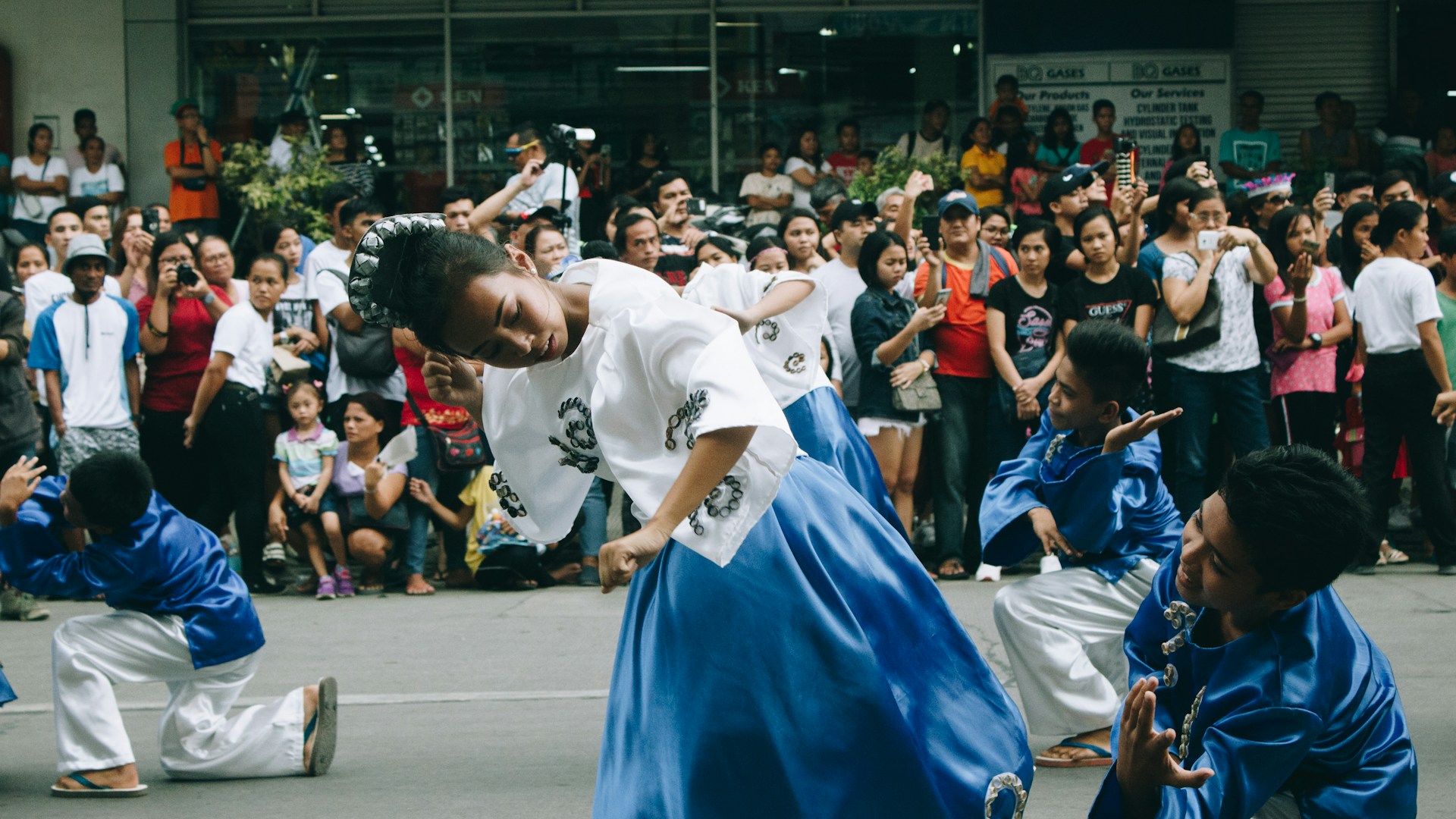

Philippine folk dance represents one of the most vibrant and enduring expressions of Filipino cultural identity. Across the United States, Filipino communities are working tirelessly to preserve these traditional art forms through performances in schools, cultural centers, and community events. These dances, passed down through generations, serve as living bridges connecting Filipino Americans to their ancestral homeland while sharing the beauty of their heritage with diverse audiences.
The art of Philippine folk dance has found new life in American communities, where dedicated instructors, cultural organizations, and passionate performers ensure that these sacred traditions continue to flourish. From the rhythmic bamboo poles of Tinikling to the graceful candle balancing of Pandanggo sa Ilaw, each dance tells a story of the Philippine archipelago's rich cultural tapestry.

Welcome to United Tribes
Where Filipino Culture Comes Alive
Join Your Tribe
Connect with your people
Discover Events
Watch parties & festivals
Find Filipino Businesses
Restaurants, markets & more
Earn Crown Credits
Get rewarded for engaging
Origins and Cultural Significance of Philippine Folk Dance
Philippine folk dances emerged from the daily lives, celebrations, and spiritual practices of various Filipino ethnic groups. These performances reflect the country's diverse regional cultures, with each island and province contributing unique movements, costumes, and musical traditions. The dances often depict agricultural activities, courtship rituals, religious ceremonies, and community celebrations that have shaped Filipino society for centuries.
Tinikling in Filipino culture holds particular significance as the national dance of the Philippines. Legend tells of the dance originating from the graceful movements of the tikling bird as it navigates through tall grass and bamboo traps. This iconic dance requires performers to step in and out of rhythmically moving bamboo poles, symbolizing agility, timing, and harmony with nature.
The Spanish colonial period significantly influenced many Philippine folk dances, blending indigenous movements with European ballroom traditions. Dances like Pandanggo sa Ilaw incorporate Spanish influences while maintaining distinctly Filipino characteristics, creating a unique fusion that represents the country's complex cultural history.
Regional variations showcase the Philippines' incredible diversity. Northern Luzon's mountainous regions contributed vigorous, earth-connected dances like Bendian, while southern island communities developed flowing, ocean-inspired movements. Each dance preserves specific cultural knowledge, from agricultural techniques to spiritual beliefs, making them invaluable cultural repositories.
Iconic Philippine Folk Dances and Their Stories
Tinikling: The National Dance
Tinikling stands as the most recognized Filipino dance heritage worldwide. The dance requires two people to hold bamboo poles while seated on the ground, rhythmically striking the poles together and against the ground. Dancers must move their feet in and out of the poles without getting caught, requiring exceptional timing and coordination.
The traditional music accompanying Tinikling uses a triple meter rhythm, typically played with guitars, bandurrias, and drums. Female dancers wear colorful balintawak or patadyong, while male dancers don barong tagalog or camisa de chino. The costume colors and patterns often represent specific regions or provinces.
Pandanggo sa Ilaw Dance of Lights
Pandanggo sa Ilaw, meaning "Dance of Lights," originated from the province of Mindoro. Female performers balance oil lamps or candles on their heads and in their hands while executing graceful turns and movements. This dance requires exceptional balance and control, representing the Filipino woman's grace and strength.
The dance symbolizes hope and guidance, with the lights representing stars that guide fishermen home safely. In modern performances, battery-operated candles often replace oil lamps for safety while maintaining the dance's visual impact and cultural meaning.
Singkil Royal Maranao Dance
From the Muslim province of Lanao comes Singkil, a royal dance that tells the story of Princess Gandingan as she navigates through an earthquake-shaken forest. Performers dance between clapping bamboo poles while wearing elaborate Maranao costumes adorned with gold and intricate patterns.
This dance showcases the sophistication of pre-colonial Philippine civilization and represents the rich Islamic heritage of the southern Philippines. The intricate choreography and regal costumes make Singkil one of the most visually stunning folk dances.
Philippine Folk Dance in American Schools
Educational institutions across America have embraced Philippine folk dance as valuable cultural programming. Elementary schools often introduce students to Tinikling through modified versions using ribbons or ropes instead of bamboo poles, making the dance accessible while teaching cultural appreciation.
High schools with significant Filipino student populations frequently establish folk dance clubs and performance groups. These programs provide Filipino American students opportunities to connect with their heritage while building confidence and cultural pride. Schools in California, Hawaii, New York, and Texas particularly excel in integrating Philippine folk dance into their cultural arts curricula.
Physical education programs benefit from incorporating these dances, as they promote coordination, rhythm, teamwork, and cultural awareness. Teachers report that students develop better balance, timing, and cooperative skills through regular folk dance practice.
College campuses host Filipino cultural organizations that maintain active folk dance troupes. These groups perform at multicultural events, graduation ceremonies, and community festivals, serving as cultural ambassadors while providing students meaningful connections to their ancestry.
Cultural Centers and Community Preservation
Filipino community centers throughout the United States serve as guardians of the Tinikling Filipino culture and other traditional dances. These organizations offer classes for all ages, from toddlers learning basic movements to adults perfecting complex choreography.
The Filipino Community Center of San Francisco, the Philippine Cultural Foundation of Hawaii, and the Filipino American National Historical Society actively promote folk dance education. They organize workshops, competitions, and festivals that celebrate Philippine dance heritage while building community connections.
Cultural festivals provide platforms for folk dance performances, educating diverse audiences about Filipino traditions. Events like the Philippine Independence Day celebrations in New York's Madison Square Garden showcase professional-level performances that preserve authentic choreography and costumes.
Community elders play crucial roles as master teachers, passing down knowledge they learned in the Philippines. Their expertise ensures authenticity in movements, music, and cultural context, maintaining the sacred connections between dance and Filipino identity.
Many centers collaborate with local schools, offering artists-in-residence programs where master teachers share their knowledge with broader communities. These partnerships extend the reach of cultural preservation beyond Filipino families to include neighbors and friends who develop an appreciation for Philippine heritage, much like how Filipino street food traditions create bridges between cultures through shared experiences.
Modern Adaptations and Contemporary Relevance
Contemporary Philippine folk dance groups skillfully balance tradition with innovation. While maintaining authentic movements and music, some troupes incorporate modern lighting, staging, and costume elements to engage younger audiences and contemporary performance spaces.
Fusion performances blend traditional folk dance with modern choreography, creating new expressions that honor ancestral traditions while speaking to current generations. These adaptations ensure that folk dance remains relevant and appealing to Filipino Americans navigating between traditional and modern identities.
Social media and digital platforms enable folk dance groups to share performances globally, connecting Filipino communities worldwide and inspiring new practitioners. YouTube tutorials and virtual workshops expanded accessibility during recent challenging times, proving these traditions' resilience and adaptability.
The integration of Philippine folk dance with other cultural celebrations demonstrates America's multicultural richness. Performances at international festivals alongside other ethnic dances create opportunities for cross-cultural appreciation and understanding, similar to how Filipino dessert traditions like ube have found new expressions in American culinary landscapes.
Dancing Forward Together
Philippine folk dance continues to thrive in American communities through the dedicated efforts of cultural organizations, schools, and passionate individuals who understand that preserving heritage requires active participation and innovation. These traditional art forms provide Filipino Americans with tangible connections to their ancestral homeland while offering all Americans opportunities to appreciate the beauty and complexity of Philippine culture. The rhythmic bamboo poles of Tinikling and the graceful lights of Pandanggo sa Ilaw serve as powerful reminders that cultural identity transcends geographical boundaries when communities commit to preservation and sharing.
As new generations of Filipino Americans embrace their heritage through movement and music, these folk dances evolve while maintaining their essential cultural DNA. The performances in school gymnasiums, community centers, and festival stages across America ensure that the stories, values, and artistic expressions of the Philippines remain vibrant and accessible. Through every carefully executed step and every shared performance, Filipino folk dance strengthens community bonds and builds cultural bridges that enrich America's diverse tapestry.
Visit United Tribes today to discover more about Filipino culture and community events that celebrate these beautiful dance traditions in your area.


