
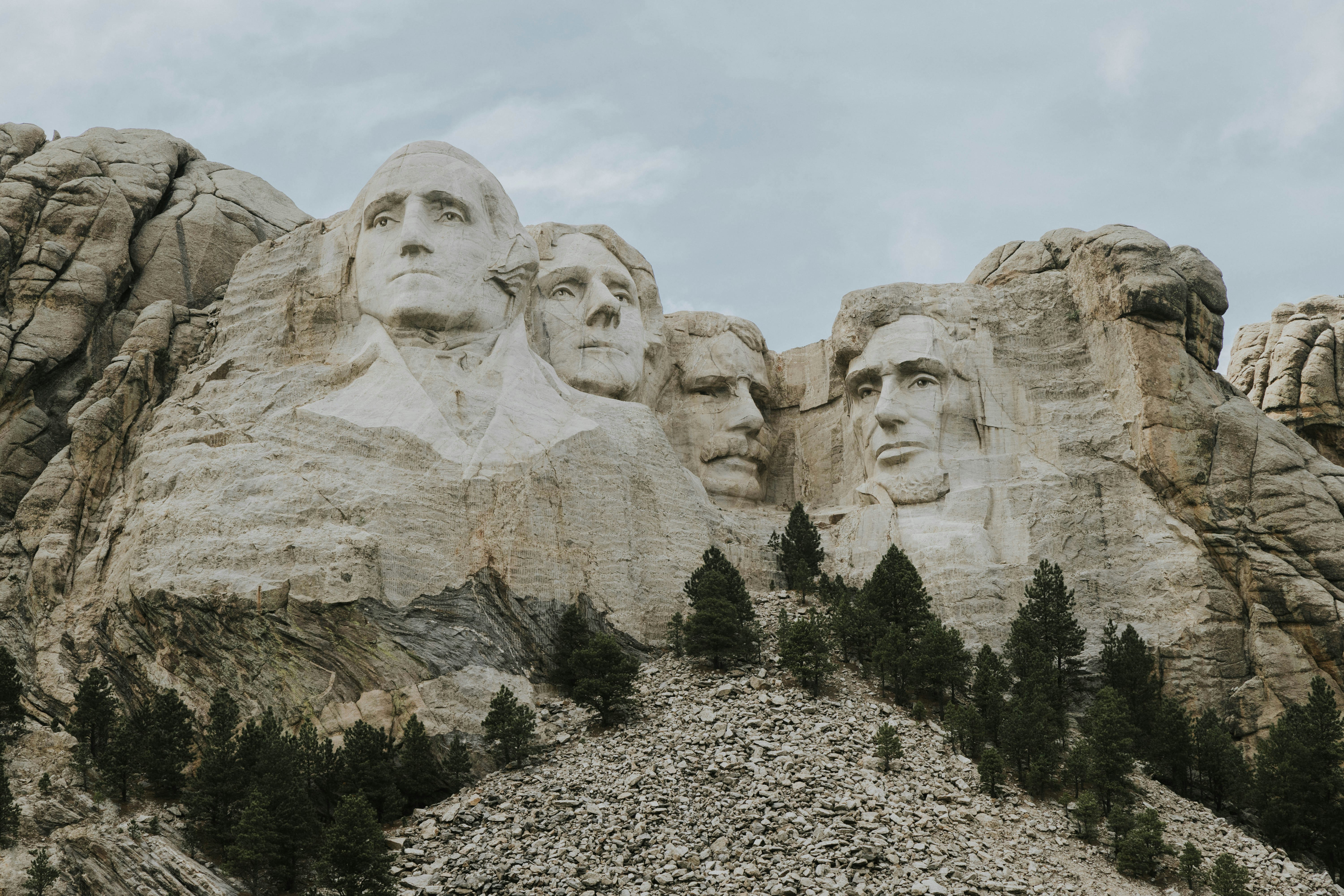


As winter begins to loosen its grip and spring approaches, Americans across the nation prepare to observe one of their most significant civic holidays. Presidents' Day arrives on February 17th, marking not just a federal holiday but a profound opportunity for communities to engage with the foundations of American democracy, leadership, and national identity. Far beyond the retail promotions and three-day weekends that have become synonymous with the holiday, this year's observance showcases how diverse American communities use this time to reflect on the principles that shape their civic life.
The Educational Renaissance of Presidents' Day
Schools and educational institutions across America have transformed Presidents' Day into a comprehensive exploration of democratic principles and leadership qualities. Rather than simply recounting biographical details about Washington and Lincoln, educators are facilitating deeper discussions about the evolution of American leadership and the ongoing challenges facing democratic institutions.
Interactive learning experiences dominate classrooms this year, with students participating in mock presidential debates, analyzing primary source documents, and examining how different presidential decisions have shaped contemporary American life. High schools, in particular, have embraced project-based learning, challenging students to research lesser-known presidents and their contributions to American society.
Universities have joined this educational renaissance by hosting public lectures and symposiums that examine presidential leadership through various academic lenses. Political science, history, and sociology departments collaborate to present multidisciplinary perspectives on how executive leadership has influenced American society, economics, and international relations.
Community colleges play a crucial role by offering accessible programming for adult learners and community members who want to deepen their understanding of American political history. These institutions often focus on local connections to presidential history, helping participants understand how national leadership decisions have affected their specific communities and regions.
Museum Exhibitions and Cultural Programming
Museums nationwide have curated special exhibitions that bring presidential history to life in innovative ways. The Smithsonian Institution leads this effort with immersive experiences that allow visitors to walk through recreated Oval Offices from different eras, examining how the physical spaces of power have evolved alongside the presidency itself.
Regional and local museums contribute by focusing on how different presidents have impacted their specific geographic areas. Western museums explore how territorial expansion policies affected indigenous communities and westward migration, while Southern institutions examine the complex legacy of Reconstruction and civil rights leadership.
Interactive technology enhances these exhibitions, allowing visitors to experience decision-making scenarios that presidents have faced throughout history. Virtual reality experiences transport participants to key moments in presidential history, from the Constitutional Convention to modern-day crisis management situations.
Art museums participate by showcasing presidential portraiture and examining how artistic representation of leadership has changed over time. These exhibitions often explore the symbolism embedded in official portraits and how different artists have interpreted presidential authority and character.
Community Parades and Civic Celebrations
The tradition of Presidents' Day parades continues to thrive in 2026, but with an enhanced focus on civic education and community participation. Cities across America organize processions that celebrate not just presidential history but also local civic leaders, veterans, and community organizations that embody democratic values.
Philadelphia's annual parade sets the standard with elaborate floats depicting different presidential eras, accompanied by historical reenactors and educational displays. Local schools participate by creating presentations about specific presidents, while community organizations highlight connections between presidential policies and contemporary local issues.
Smaller communities organize more intimate celebrations that emphasize local history and civic engagement. Town squares host gatherings where residents share stories about how national leadership has affected their families and neighborhoods across generations. These events often feature local historians who help connect national political developments to community experiences.
Veteran organizations play prominent roles in these celebrations, helping communities understand the relationship between presidential leadership and military service. Their participation adds depth to discussions about civilian control of the military and the complex decisions presidents make regarding war and peace.
Civic Dialogue and Democratic Engagement
Perhaps most significantly, Presidents' Day has become a focal point for broader conversations about civic participation and democratic responsibility. Community centers, libraries, and religious institutions host discussion groups that examine how citizens can contribute to democratic governance beyond voting.
Town halls and forums address contemporary challenges through the lens of historical presidential decision-making. Communities examine how past presidents have navigated crises similar to current issues, drawing lessons about leadership, compromise, and democratic resilience. These discussions help participants understand their own roles in supporting democratic institutions.
Building community through celebration has become central to how Americans approach this holiday, recognizing that civic engagement requires active participation from all community members. Local governments often use the holiday as an opportunity to encourage citizen involvement in municipal affairs, from attending city council meetings to participating in community planning processes.
Citizenship ceremonies scheduled around Presidents' Day add special meaning to the holiday, as new Americans take their oaths of citizenship while the nation reflects on its democratic values. These ceremonies often feature discussions about the rights and responsibilities that come with American citizenship.
Digital Innovation in Civic Education
Technology platforms have revolutionized how Americans engage with presidential history during Presidents' Day. Virtual tours of presidential libraries and museums make these resources accessible to communities regardless of geographic location, while interactive online exhibits allow deeper exploration of primary source materials.
Social media campaigns encourage Americans to share their own family stories related to presidential history, creating crowdsourced collections of how national political developments have affected individual families and communities. These personal narratives help humanize political history and demonstrate the ongoing relevance of presidential decisions.
Educational apps and games designed for all age groups make learning about presidential history more engaging and accessible. These digital tools often focus on decision-making skills and critical thinking, encouraging users to consider the complexities of presidential leadership rather than simply memorizing facts and dates.
Podcast series and streaming documentaries released in conjunction with the holiday provide sophisticated analysis of presidential leadership for audiences seeking a deeper understanding. These productions often feature diverse perspectives from historians, political scientists, and community leaders who examine how different communities have experienced presidential policies.
Reflection on American Identity and Values
US historical observances like Presidents' Day serve as important moments for Americans to consider what unites them as a nation while acknowledging their diverse experiences and perspectives. Community conversations often explore how the ideals expressed by various presidents align with contemporary American values and aspirations.
Discussion groups examine how presidential rhetoric and policies have shaped American identity over time, considering both achievements and shortcomings in the ongoing effort to fulfill democratic promises. These conversations help participants understand their own roles in continuing the democratic experiment that defines American society.
Interfaith organizations contribute to these discussions by exploring how religious and ethical traditions inform civic engagement and leadership. These perspectives add depth to conversations about moral leadership and the ethical dimensions of political decision-making.
Young adults particularly engage with questions about how presidential leadership relates to their own career and life choices, examining how they can contribute to positive change in their communities and beyond.
Strengthening Democracy Through Civic Celebration
Presidents' Day demonstrates how American communities can transform a federal holiday into meaningful opportunities for civic education and democratic engagement. Through parades, educational programs, museum exhibitions, and community discussions, Americans are rediscovering the substantive purposes behind this important observance. Rather than simply commemorating past leaders, these celebrations emphasize ongoing civic responsibilities and the ways ordinary citizens contribute to democratic governance.
Visit United Tribes today to learn more about American culture and community celebrations that bring people together around shared values and democratic ideals.


