
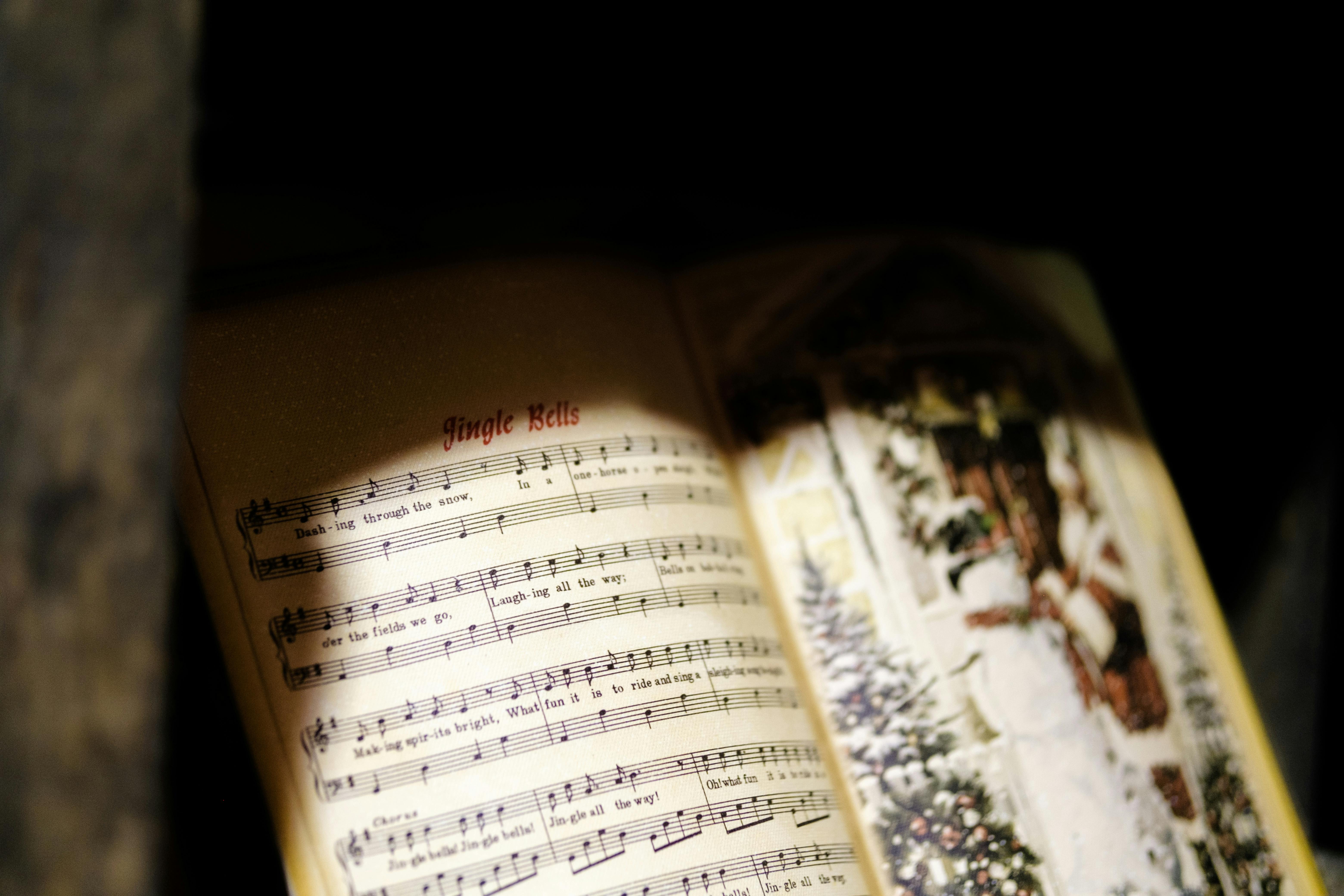

The gentle plucking of mandolins and guitars fills the air as Filipino-American communities across the United States prepare for one of their most cherished holiday traditions. From November through December, Filipino rondalla ensembles gather in parish halls, community centers, and homes to rehearse the beloved Christmas songs that connect them to their homeland. This musical tradition, deeply rooted in Spanish colonial influence and Filipino cultural adaptation, has found new life in American soil, creating bridges between generations and maintaining cultural identity through the universal language of music.
Filipino Christmas carols echo through neighborhoods from California to New York, as rondalla groups perform traditional songs like "Pasko Na Naman," "Ang Pasko Ay Sumapit," and "Maligayang Pasko." These musical ensembles, comprising various stringed instruments such as bandurria, laud, octavina, guitar, and bajo de uñas, embody the Filipino spirit of community, faith, and celebration that transcends geographical boundaries.

Welcome to United Tribes
Where Filipino Culture Comes Alive
Join Your Tribe
Connect with your people
Discover Events
Watch parties & festivals
Find Filipino Businesses
Restaurants, markets & more
Earn Crown Credits
Get rewarded for engaging
The Rondalla Renaissance in Filipino-American Communities
The Filipino music traditions of rondalla have experienced remarkable growth within diaspora communities, particularly during the Christmas season. Unlike their counterparts in the Philippines, American-based rondalla groups often serve multiple functions: preserving cultural heritage, fostering community bonds, and introducing younger generations to their musical roots.
Filipino-American parishes have become epicenters of rondalla activity, with many churches establishing their own ensembles that perform at Sunday masses, special celebrations, and community events. These groups typically begin intensive rehearsals in October, preparing repertoires that blend traditional Filipino Christmas songs with contemporary Christian hymns. The dedication required for these performances mirrors the commitment found in other aspects of Filipino celebrations adapted for American life, where traditional practices are maintained while accommodating new cultural environments.
Traditional Instruments and Modern Adaptations
The classic rondalla instrumentation remains largely unchanged in American Filipino communities, though some groups have incorporated modern elements to appeal to younger audiences. The bandurria, with its bright, mandolin-like sound, typically carries the melody, while the laud provides harmonic support. The octavina adds depth to the ensemble, and traditional Spanish guitars supply a rhythmic and harmonic foundation. The bajo de uñas, essentially a large guitar played with fingernails or a pick, anchors the group with its bass lines.
Many Filipino-American rondalla groups have adapted their instrumentation based on availability and member preferences. Some ensembles incorporate keyboards or additional percussion instruments, while others maintain strict adherence to traditional lineups.
Regional Variations Across America
Different regions of the United States have developed distinct approaches to Filipino rondalla traditions. West Coast communities, particularly in California, often feature larger ensembles with elaborate costumes and formal performance structures. These groups frequently perform at cultural festivals, interfaith celebrations, and community gatherings beyond the Christmas season.
East Coast Filipino-American communities tend to maintain more intimate rondalla groups, often centered around specific parishes or cultural organizations. These ensembles focus heavily on liturgical music and traditional carols, maintaining closer connections to religious observances. Midwest communities have developed hybrid approaches, combining performance traditions from both coasts while adapting to smaller population densities and fewer Filipino cultural centers.
Christmas Caroling Traditions and Community Connection
Filipino Christmas carols serve as powerful tools for community building and cultural transmission within American Filipino neighborhoods. The tradition of "pangangaroling" has adapted to American suburban and urban environments, with groups organizing formal caroling schedules that visit Filipino-American homes, businesses, and community centers throughout December.
These caroling traditions extend beyond simple musical performance, incorporating elements of hospitality, charity, and cultural education. Many groups collect donations for Filipino-American community organizations, support recent immigrants, or fund cultural programs for youth. The songs themselves often blend Tagalog, English, and, at times, regional Philippine languages, reflecting the multilingual reality of Filipino-American households.
The Repertoire of Filipino-American Christmas Music
The musical repertoire of Filipino-American rondalla and caroling groups encompasses traditional Philippine Christmas songs, contemporary Filipino compositions, and adapted American holiday music. Classic songs like "Pasko Na Naman" and "Maligayang Pasko" remain central to most performances, providing emotional connections to childhood memories and family traditions in the Philippines.
Contemporary additions to the repertoire often include English-language Filipino Christmas compositions and bilingual adaptations of American holiday classics. Some groups have commissioned original arrangements that blend Filipino and American musical elements, creating unique fusion pieces that reflect the bicultural experience of Filipino-Americans.
Regional Philippine songs also find their way into American Filipino Christmas celebrations, with groups from specific provinces or regions maintaining their particular musical traditions. This diversity enriches the overall landscape of Filipino music traditions in America while preserving regional distinctions that might otherwise disappear in diaspora communities.
Parish Life and Musical Ministry
Filipino-American Catholic parishes have become central to maintaining rondalla and caroling traditions, with many churches establishing formal music ministries dedicated to Filipino cultural expression. These programs often combine religious education with musical instruction, teaching children and adults both the technical aspects of rondalla performance and the cultural significance of Filipino Christmas traditions.
The integration of Filipino music into American parish life has created unique worship experiences that honor both Catholic liturgical traditions and Filipino cultural heritage. Many churches host special Filipino Christmas masses, with rondalla ensembles providing musical accompaniment for both English and Tagalog hymns. These celebrations often attract Filipino-Americans from surrounding communities, creating regional gatherings that strengthen cultural bonds.
Youth Engagement and Cultural Transmission
Filipino-American parishes and community organizations have developed innovative programs to engage younger generations in rondalla and caroling traditions. Many offer summer workshops, after-school programs, and mentorship opportunities that pair experienced musicians with children and teenagers. These initiatives recognize that maintaining Filipino Christmas carols traditions requires active investment in youth education and engagement.
The challenge of cultural transmission in diaspora communities has led to creative approaches to musical education. Some groups use contemporary technology, creating online tutorials, virtual rehearsals, and social media campaigns to promote Filipino Christmas music. Others organize intergenerational performance opportunities where grandparents, parents, and children perform together, creating powerful demonstrations of cultural continuity.
Modern Filipino-American families often struggle to balance assimilation pressures with cultural preservation, making musical traditions particularly valuable as accessible entry points to Filipino heritage. Children who might resist other cultural practices often embrace music, finding joy in performance and community recognition that motivates continued engagement with Filipino traditions.
Rehearsal Culture and Community Building
The rehearsal culture surrounding Filipino rondalla ensembles in America reflects deeper values of discipline, cooperation, and collective achievement that characterize Filipino community life. Most groups begin their Christmas preparation in early November, holding weekly rehearsals that serve multiple functions beyond musical preparation. These gatherings become social events where community members share news, discuss challenges, and strengthen interpersonal relationships.
The commitment required for rondalla participation mirrors the dedication found in other aspects of Filipino-American community engagement. Members often describe their involvement as both musical and spiritual practice, connecting them to their cultural roots while building meaningful relationships within their American communities.
Performance Opportunities and Cultural Visibility
Filipino rondalla groups across America have created numerous performance opportunities that extend well beyond traditional Christmas caroling. Many participate in multicultural festivals, interfaith celebrations, and community events that introduce Filipino music to broader American audiences. These performances serve dual purposes: maintaining internal cultural traditions while sharing Filipino heritage with diverse American communities.
The visibility provided by public performances has helped establish Filipino-Americans as active contributors to American cultural diversity. In many communities, Filipino rondalla groups have become ambassadors for Filipino culture, performing at city council meetings, cultural exchange programs, and educational institutions.
Some groups have developed professional or semi-professional status, receiving payment for performances at weddings, corporate events, and cultural celebrations. This economic dimension of Filipino music traditions creates sustainability models that support continued practice while recognizing Filipino musical expertise. Such connections between cultural practice and economic opportunity reflect the entrepreneurial spirit found throughout Filipino-American communities.
Modern Technology and Traditional Practice
The intersection of traditional Filipino music practices with modern American technology has created new possibilities for rondalla and caroling groups. Many ensembles use social media platforms to share performances, coordinate rehearsals, and connect with other Filipino musical groups across the country. YouTube channels dedicated to Filipino Christmas music have become repositories for traditional songs and innovative arrangements.
Virtual rehearsals and online music sharing have become particularly valuable for maintaining connections between geographically dispersed Filipino-American communities. Groups in smaller cities can connect with larger ensembles for advice, share arrangements, and participate in virtual concerts that bring together Filipino musicians from across America.
The documentation of Filipino music traditions through digital media has created important cultural archives that preserve not only the music itself but also the stories, techniques, and community contexts that give these traditions meaning. Many older Filipino-Americans have embraced technology to share their musical knowledge with younger generations, creating video tutorials and recorded testimonies that capture both musical and cultural information.
Fusion and Innovation in Filipino-American Christmas Music
While maintaining traditional elements remains important to most Filipino-American rondalla groups, many have embraced innovation and fusion as ways to keep their music relevant and engaging. Some ensembles incorporate jazz harmonies, contemporary chord progressions, or modern instrumentation while preserving the essential character of Filipino Christmas songs.
This innovative approach often reflects the broader Filipino-American experience of adapting traditional practices to new environments while maintaining cultural authenticity. Groups experiment with bilingual arrangements, cross-cultural collaborations, and contemporary performance styles that speak to the lived reality of Filipino-Americans navigating between multiple cultural identities.
The creative adaptations found in Filipino-American Christmas music parallel innovations in other areas of Filipino diaspora culture, including adaptations of traditional Filipino foods that maintain essential flavors while accommodating American ingredients and cooking methods. Both musical and culinary innovations demonstrate the dynamic nature of cultural preservation in diaspora communities.
Regional Specialties and Cultural Diversity
The diversity within Filipino-American communities reflects the regional variations found throughout the Philippines, and this diversity extends to Christmas musical traditions. Groups formed by immigrants from specific Philippine regions often maintain distinctive musical styles, instruments, and repertoires that reflect their provincial origins.
Ilocano communities might emphasize particular vocal styles and specific Christmas songs from northern Luzon, while Visayan groups maintain musical traditions from the central Philippines. These regional distinctions enrich the overall landscape of Filipino Christmas carols in America while preserving cultural specificity that connects directly to provincial identities in the Philippines.
The maintenance of regional musical traditions within broader Filipino-American communities demonstrates the complexity of diaspora cultural practice. Rather than homogenizing into a generic "Filipino" identity, many communities work actively to preserve the specific cultural practices that reflect their families' particular geographic and cultural origins.
Sustaining Musical Heritage Through Community
The rondalla and caroling traditions that flourish in Filipino-American communities during the Christmas season represent the resilience, creativity, and cultural commitment that characterize successful diaspora communities. Through parish programs, community ensembles, and innovative adaptations of traditional practices, Filipino-Americans have created sustainable models for cultural preservation that honor their heritage while embracing their American reality.
The dedication of countless musicians, organizers, and community members ensures that the sounds of Filipino Christmas will continue to resonate through American neighborhoods, creating bridges between generations and maintaining connections to ancestral traditions.
Visit United Tribes today to learn more about Filipino culture and community celebrations that keep these beautiful traditions alive year-round.
Make United Tribes Your Preferred Source
Add United Tribes on Google to get the latest stories, cultural updates, and community events directly in your Google Search and Top Stories.


