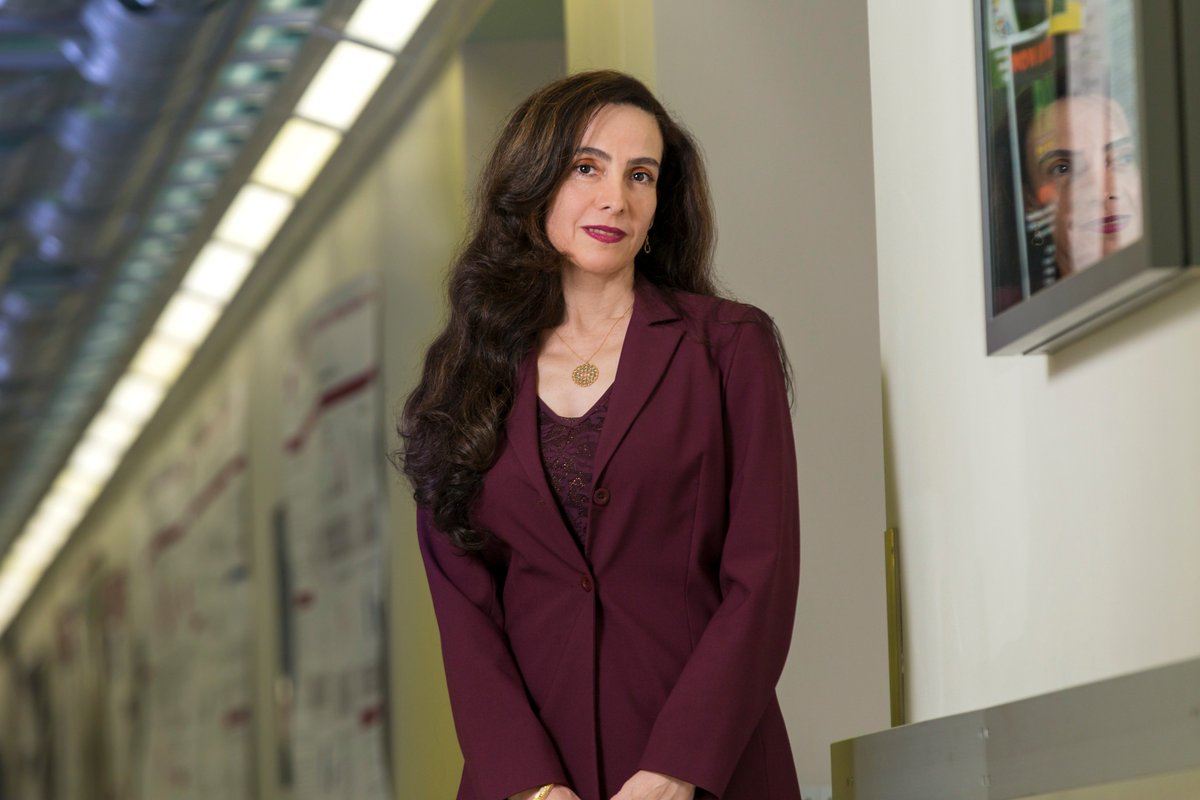

At United Tribes, we celebrate leaders who honor their cultural heritage while making groundbreaking contributions to the world. Roxana Moslehi, an esteemed genetic epidemiologist of Iranian descent, embodies this balance of tradition and innovation. Born in Iran and raised in Canada, Moslehi has built a stellar career in the fields of genetic research, epidemiology, and public health. Her work spans hereditary cancers, autoimmune disorders, and the emerging field of long-haul COVID-19, connecting the dots between genetic predisposition and environmental triggers.
Moslehi’s journey speaks to the power of perseverance and intellectual curiosity, traits deeply rooted in her Iranian heritage. Iran, known for its ancient contributions to science, mathematics, and medicine, is reflected in her work as she continues the legacy of inquiry and discovery that has shaped Persian culture for centuries. But Moslehi’s achievements are not confined to her own success—they are a beacon for others, demonstrating how cultural identity and professional excellence can converge to benefit humanity at large.
Her research into hereditary cancers, particularly the BRCA1 and BRCA2 mutations in breast and ovarian cancer, has made her a pioneer in understanding genetic risks. Additionally, her studies on autoimmune disorders and myalgic encephalomyelitis/chronic fatigue syndrome (ME/CFS) have shed light on the often-overlooked genetic and environmental factors that influence health. Moslehi’s dedication to finding the root causes of these diseases—many of which disproportionately affect underserved populations—speaks to her commitment to the greater good.
Much like her ancestors who contributed to the Golden Age of Persian science, Moslehi’s work in gene-environment interactions represents a bridge between the past and the future. Her studies on the long-term effects of the Chernobyl disaster and her pioneering research into rare cancers highlight the importance of looking back at historical events to solve modern medical mysteries. In doing so, she not only

Welcome to United Tribes
Where Persian Culture Comes Alive
Join Your Tribe
Connect with your people
Discover Events
Watch parties & festivals
Find Persian Businesses
Restaurants, markets & more
Earn Crown Credits
Get rewarded for engaging
honors her heritage but also pushes forward the boundaries of scientific discovery.
Reflection: Finding Inspiration in Roxana Moslehi’s Journey
Roxana Moslehi’s story offers a powerful reminder that cultural roots and professional excellence are not separate paths but can enrich each other. Her contributions to genetic research reflect the same resilience and curiosity that have been the hallmark of Iranian culture for millennia. Moslehi shows us that understanding our history allows us to carve a clearer path toward future progress.
Three Creative Questions for Personal Reflection:
1. In what ways does your cultural background inform how you approach problem-solving or innovation? Just as Moslehi blends her Iranian heritage with cutting-edge scientific research, how can you draw upon your own cultural identity to enhance your work or community involvement?
2. How can you turn complex, long-standing challenges into opportunities for growth and understanding? Moslehi’s work on rare cancers and gene-environment interactions highlights the value of investigating the unknown. What areas of your life or work could benefit from this kind of thoughtful exploration?
3. What role can you play in contributing to both local and global communities by honoring your roots? Moslehi’s legacy is one of bridging personal heritage and global impact. How can you use your unique experiences to uplift those around you, ensuring that both your immediate community and the broader world benefit from your contributions?
Moslehi’s life reminds us that embracing our cultural roots not only empowers us but also creates ripples of change that extend far beyond our individual spheres. Through her work, she proves that innovation and tradition are not opposing forces but partners in building a better future for all. Let her story inspire you to connect with your heritage and forge your own path of meaningful impact.
Make United Tribes Your Preferred Source
Add United Tribes on Google to get the latest stories, cultural updates, and community events directly in your Google Search and Top Stories.