
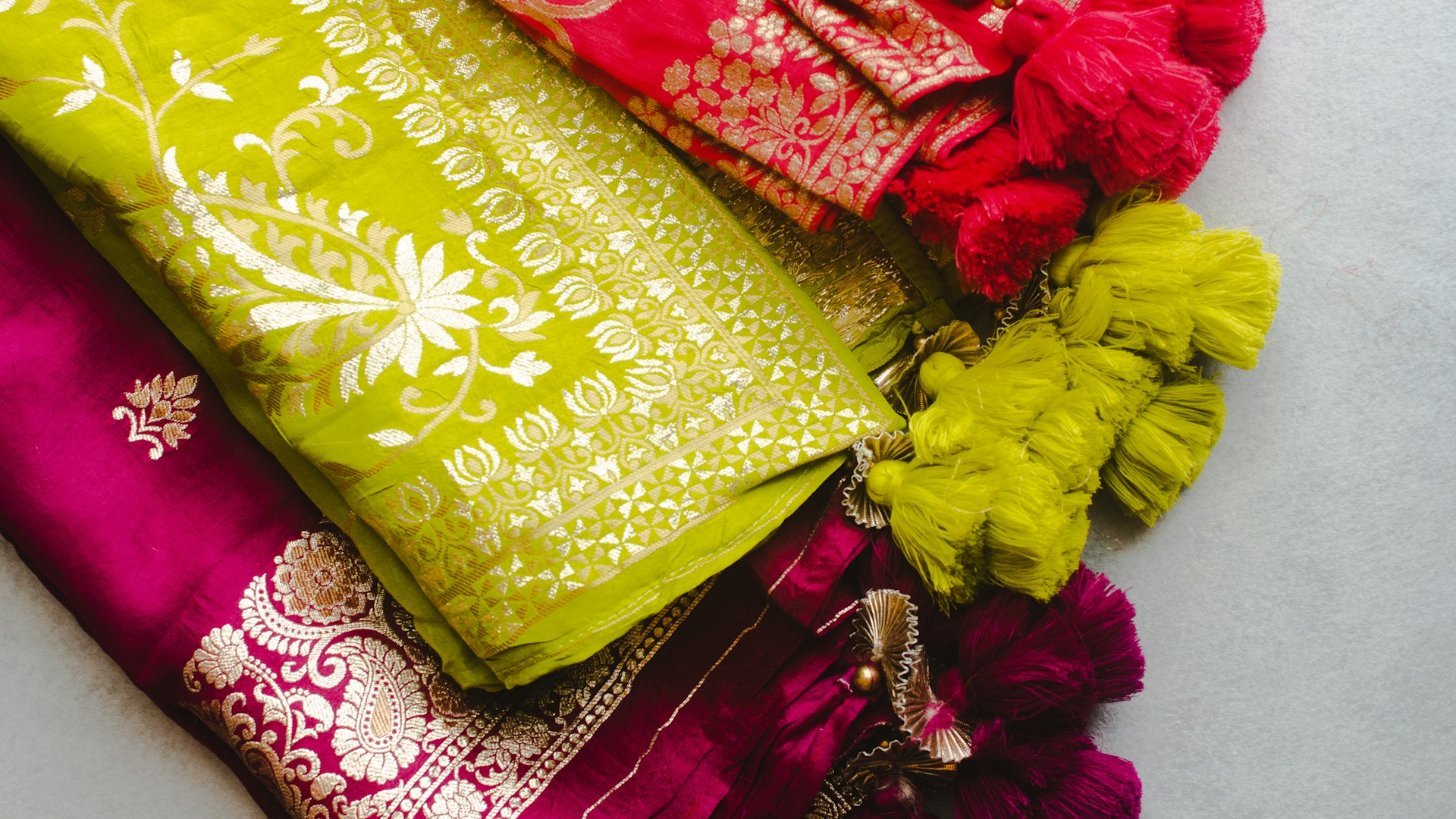

The dupatta stands as one of the most cherished and meaningful garments in Indian traditional fashion, representing far more than a simple piece of cloth. This sacred thread weaves together centuries of cultural heritage, spiritual significance, and artistic expression. For Indian-Americans navigating between two worlds, the dupatta serves as a bridge connecting ancestral traditions with contemporary American life, allowing them to honor their roots while embracing modern style.
Understanding the dupatta's meaning requires delving into its rich historical and cultural context. From ancient Sanskrit texts to modern runways, this versatile garment has evolved while maintaining its sacred essence. Today's Indian-American community has breathed new life into this traditional piece, creating innovative interpretations that speak to their unique cultural experience.

Welcome to United Tribes
Where Indian Culture Comes Alive
Join Your Tribe
Connect with your people
Discover Events
Watch parties & festivals
Find Indian Businesses
Restaurants, markets & more
Earn Crown Credits
Get rewarded for engaging
Historical and Spiritual Significance of the Dupatta
The dupatta's origins trace back thousands of years in Indian civilization, where it served multiple purposes beyond mere fashion. Traditionally, this long rectangular veil symbolized modesty, respect, and spiritual devotion. In ancient Indian society, the way a woman wore her dupatta communicated her marital status, regional identity, and social position within the community.
Spiritually, the dupatta represents the connection between the earthly and divine realms. In Hindu traditions, covering one's head during prayers and religious ceremonies shows reverence to deities and acknowledges the sacred nature of spiritual practices. The fabric itself was often considered blessed, with many families passing down heirloom dupattas through generations, each carrying the prayers and blessings of previous wearers.
The colors and patterns of traditional dupattas hold deep symbolic meaning. Red signifies purity and fertility, making it essential for bridal wear. Yellow represents prosperity and spiritual enlightenment, while white symbolizes peace and mourning. These color traditions continue to influence how Indian-Americans choose their dupattas for various occasions, maintaining cultural authenticity even in modern contexts.
Regional Variations and Cultural Diversity
India's diverse landscape has produced countless regional interpretations of the dupatta, each reflecting local customs, climate, and artistic traditions. The Rajasthani bandhani dupatta features intricate tie-dye patterns that tell stories of desert life and royal heritage. In contrast, the Punjabi phulkari dupatta showcases vibrant embroidery representing the fertile fields of Punjab.
Southern Indian traditions offer their own unique styles, with the Tamil Nadu dupatta often made from silk and featuring temple-inspired motifs. The Bengali tradition incorporates delicate jamdani weaving techniques, creating ethereal patterns that seem to float on sheer fabric. These regional differences provide Indian-Americans with a rich tapestry of options to express their specific heritage while honoring broader Indian cultural identity.
Traditional Weaving Techniques
Master weavers across India employ time-honored techniques to create authentic dupattas. The Banarasi weaving tradition produces luxurious silk dupattas with gold and silver threads, often taking months to complete a single piece. Chanderi weavers create lightweight, translucent dupattas perfect for formal occasions, while Kota craftsmen produce distinctive checkered patterns using a unique blend of cotton and silk threads.
These traditional techniques demonstrate the cultural preservation efforts supported by Indian-American families through the purchase of authentic pieces. Many choose to invest in handwoven dupattas as a way to maintain connections with ancestral homelands and support traditional artisan communities.
Modern Interpretations in Indian-American Style
Contemporary Indian-Americans have revolutionized dupatta styling, creating fusion looks that honor tradition while embracing American fashion sensibilities. Young professionals might drape a silk dupatta over business attire for important meetings, subtly incorporating their heritage into corporate environments. College students often style lightweight cotton dupattas as scarves with Western outfits, creating unique looks that reflect their multicultural identity.
Wedding fashion among Indian-Americans showcases particularly creative dupatta interpretations. Brides might choose multiple dupattas for different ceremony phases—a traditional red silk piece for Hindu rituals, followed by a contemporary pastel creation for the reception. This approach allows them to honor religious customs while expressing personal style preferences.
The rise of social media has accelerated dupatta innovation, with Indian-American fashion influencers sharing styling tutorials that blend Indian traditional fashion with contemporary American trends. These digital platforms have become spaces for cultural exchange, where traditional techniques meet modern creativity.
Contemporary Styling Techniques
Modern Indian-American women employ various creative draping techniques to adapt dupattas for different occasions. The front drape style positions the dupatta over one shoulder, creating an elegant silhouette perfect for formal events. The butterfly drape spreads the fabric across both shoulders, offering coverage while maintaining a sophisticated appeal.
For casual occasions, the scarf style wraps the dupatta around the neck like a traditional Western scarf, while the belt style cinches the fabric at the waist to create structured, fashion-forward looks. These adaptations demonstrate how Indian-Americans maintain cultural connections while navigating diverse social and professional environments.
Cultural Preservation and Identity Expression
Within Indian-American communities, dupattas serve as powerful tools for cultural preservation and identity expression. Mothers teaching daughters traditional draping techniques pass down more than fashion knowledge—they transmit cultural values, family stories, and spiritual practices. Just as families explore the evolution of Panchatantra tales in Indian-American families, dupatta traditions adapt while maintaining their essential cultural meaning.
Community events and festivals provide opportunities for Indian-Americans to showcase their dupatta collections and share styling knowledge. During Diwali celebrations, women often coordinate their dupattas with traditional jewelry and accessories, creating stunning ensembles that honor cultural heritage while reflecting personal taste.
The dupatta's role extends beyond individual expression to community building. Sharing styling tips, exchanging heirloom pieces, and shopping together for festival wear strengthen bonds within Indian-American communities. These activities create spaces where cultural knowledge transfers naturally between generations, ensuring tradition continuity.
Integration with Holistic Cultural Practices
The dupatta's significance often intertwines with other aspects of Indian cultural practice that remain important to Indian-American communities. Women who embrace the healing traditions of Ayurveda among Indian-Americans might choose dupatta fabrics based on Ayurvedic principles, selecting cooling cottons during summer months or warming wools for winter wear.
Similarly, the dupatta complements other traditional practices like henna art. Women preparing for weddings or festivals often coordinate their dupatta colors with intricate mehndi designs, creating harmonious looks that celebrate multiple aspects of Indian cultural heritage simultaneously.
This holistic approach to cultural practice demonstrates how Indian-Americans maintain authentic connections to their heritage while adapting traditions for contemporary life. The dupatta becomes part of a larger cultural ecosystem that includes food, music, spirituality, and artistic expression.
Honoring Heritage Through Sacred Threads
The dupatta continues to serve as a sacred thread connecting Indian-Americans to their ancestral heritage while allowing for creative contemporary expression. Through innovative styling and mindful cultural practice, this traditional garment bridges generations and geographies, proving that authentic cultural preservation can coexist with modern adaptation. Whether worn for religious ceremonies, professional occasions, or cultural celebrations, the dupatta remains a powerful symbol of identity and belonging.
As Indian-American communities continue to grow and evolve, the dupatta's significance only deepens. It represents not just fashion choice, but cultural resilience, artistic innovation, and the beautiful complexity of multicultural identity. Visit United Tribes today and find out more about Indian culture and community celebrations that honor these sacred traditions.
Make United Tribes Your Preferred Source
Add United Tribes on Google to get the latest stories, cultural updates, and community events directly in your Google Search and Top Stories.


