
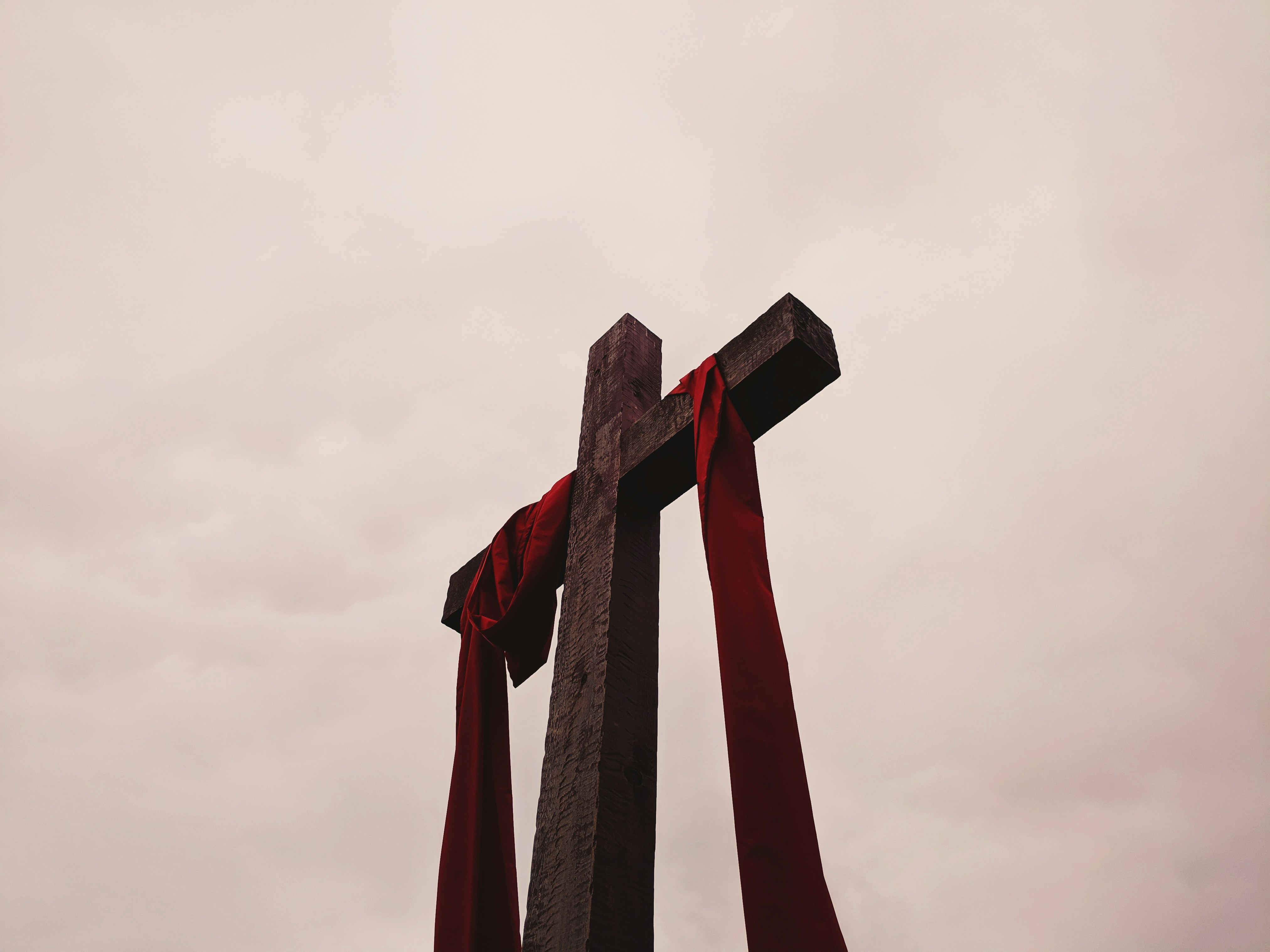


Every spring, millions of people across Latin America and the United States step away from their daily routines and enter a week unlike any other. Streets fill with candlelight, the air carries the weight of incense and devotion, and entire neighborhoods transform into living expressions of faith. Semana Santa 2026 falls in the last week of March. For Hispanic communities everywhere, this event ties generations together through shared ritual, public expression, and a profound sense of communal identity.
What Semana Santa Actually Is
Semana Santa, or Holy Week, marks the final week of Lent in the Christian calendar, beginning on Palm Sunday and ending on Easter Sunday. For Spanish-speaking communities across Mexico, Guatemala, Colombia, Peru, the Dominican Republic, and beyond, it is one of the most significant observances of the year.
Unlike the commercialized Easter familiar in mainstream American culture, Semana Santa in Latino religious culture is deeply solemn and participatory. The event involves entire families and draws in community members, regardless of how closely they practice religion the rest of the year.
The Procession as Living Tradition
The Holy Week procession is the heartbeat of Semana Santa. In cities and towns across the Spanish-speaking world, elaborate floats — known as *pasos* — carry sculpted images of Christ and the Virgin Mary through neighborhood streets. These floats can weigh thousands of pounds and are carried on the shoulders of teams of men called *cucuruchos* or *cargadores*, depending on the region.
The processions move slowly, deliberately. Music is essential — brass bands, mournful hymns, and the rhythmic beat of drums mark every step. In some communities, silence is the rule, broken only by the shuffle of bare feet on pavement as a form of penance. In others, the streets vibrate with music that is simultaneously celebratory and grief-stricken.
What makes these Hispanic spring traditions so enduring is their visual and emotional power. Participants wear robes — often purple during the days of mourning, white near Easter — and walk in procession as a physical act of faith. Even those who watch from sidewalks participate, in their way, by showing up.
Neighborhood Participation and Community Identity
Semana Santa is not organized solely by institutions, since neighborhoods sustain it. Local confraternities, known as *cofradías* or *hermandades*, spend months preparing floats, coordinating logistics, and rehearsing their roles. Membership in these groups is often passed down through families, creating layers of intergenerational connection.
The role of family within Semana Santa cannot be overstated. Extended families gather, children are introduced to the rituals their grandparents practiced, and the week becomes a vehicle for passing down values and identity.
The Role of Music and Sound
Sound shapes Semana Santa as much as sight. Funeral marches played by brass bands accompany processions on the days commemorating the crucifixion, while lighter, more hopeful compositions emerge by Easter Sunday. The specific repertoire varies by country and even by city, giving each community's observance its own sonic identity.
In Guatemala, the *chirimía* — a traditional wind instrument — creates a haunting texture that has remained part of processions for centuries. In Seville's influence on Latin American traditions, the saeta — a spontaneous, emotional song sung from balconies as floats pass below — represents one of the most moving expressions of public devotion in the Spanish-speaking world.
Music in Semana Santa is not background. It is a message, a prayer, and a community signal all at once.
Semana Santa in the United States
For Hispanic communities living in the U.S., Semana Santa carries additional meaning. Maintaining these practices across generations and across borders is itself an act of cultural resistance and pride. The influence of the Hispanic community on the United States extends into every corner of cultural life — and Semana Santa is a vivid example of that living presence.
Cities with large Latino populations — Los Angeles, Miami, Chicago, Houston, and San Antonio — host processions, church reenactments, and community gatherings that honor the same traditions carried from home countries. These events serve as meeting points for communities separated by migration, reconnecting people to their roots while building new shared memories on American soil.
Why These Traditions Still Matter
In an era of rapid change and digital distraction, Semana Santa endures because it meets a deep human need: the need to belong to something larger than yourself. The procession demands presence — physical, emotional, and communal. You cannot stream it from a distance and feel what those carrying the *pasos* feel. You have to show up.
For younger generations of Latinos growing up between cultures, Semana Santa offers a powerful affirmation of identity. It says: *This is who we are, this is where we come from, and this still matters.*
Keeping Holy Week Traditions Alive Together
Semana Santa is one of the most visually stunning, emotionally resonant, and community-driven traditions in Latino religious culture. From the weight of the *pasos* on the shoulders of devoted carriers to the sound of brass bands moving through candlelit streets, every element of Holy Week processions is designed to be felt collectively. These are not relics of the past — they are living, breathing expressions of identity that grow stronger with each generation that chooses to participate.
For Hispanic communities in the United States, observing Semana Santa is also an act of visibility. It declares cultural presence, honors ancestry, and builds the kind of neighborhood bonds that sustain communities through all seasons. As Semana Santa approaches, these traditions invite everyone — participants and witnesses alike — to slow down and honor something enduring.
Visit United Tribes today to learn more about Hispanic culture and community, from celebrations like Semana Santa to the everyday stories that shape Latino life across the United States.


