

As spring reaches its crescendo in the Persian calendar, Sizdah Bedar emerges as one of the most cherished celebrations in Iranian culture. Falling on April 2, 2026, this Persian Nature Day marks the thirteenth and final day of the Nowruz festivities, transforming parks, beaches, and outdoor spaces into vibrant gatherings of Iranian families embracing ancient traditions in their adopted homeland.

Welcome to United Tribes
Where Persian Culture Comes Alive
Join Your Tribe
Connect with your people
Discover Events
Watch parties & festivals
Find Persian Businesses
Restaurants, markets & more
Earn Crown Credits
Get rewarded for engaging
Sizdah Bedar is fundamentally about connecting with nature and community. The name itself translates to "getting rid of thirteen," referring to the superstition that the number thirteen brings bad luck. By spending this day outdoors, Iranian families believe they can ward off any misfortune that might accompany the coming year.
The Sacred Ritual of Sabzeh Release
The most significant tradition of Sizdah Bedar centers around the sabzeh, the green sprouts that have adorned Persian households throughout the Nowruz season. On this day, families carefully gather their sabzeh from the haft-sin table and carry it to flowing water sources—rivers, streams, or even fountains in urban parks. This ritual, known as "sabzeh be ab," represents the return of nature's energy to its source.
The symbolism runs deeper than simple disposal. As Iranian families in cities like Los Angeles, Houston, and New York seek out water sources for this ceremony, they're participating in an ancient dialogue between human cultivation and natural cycles. The sabzeh has absorbed the family's hopes and prayers during the two-week Nowruz celebration, and releasing it into water allows these intentions to flow into the wider world.
Picnic Traditions and Outdoor Feasting
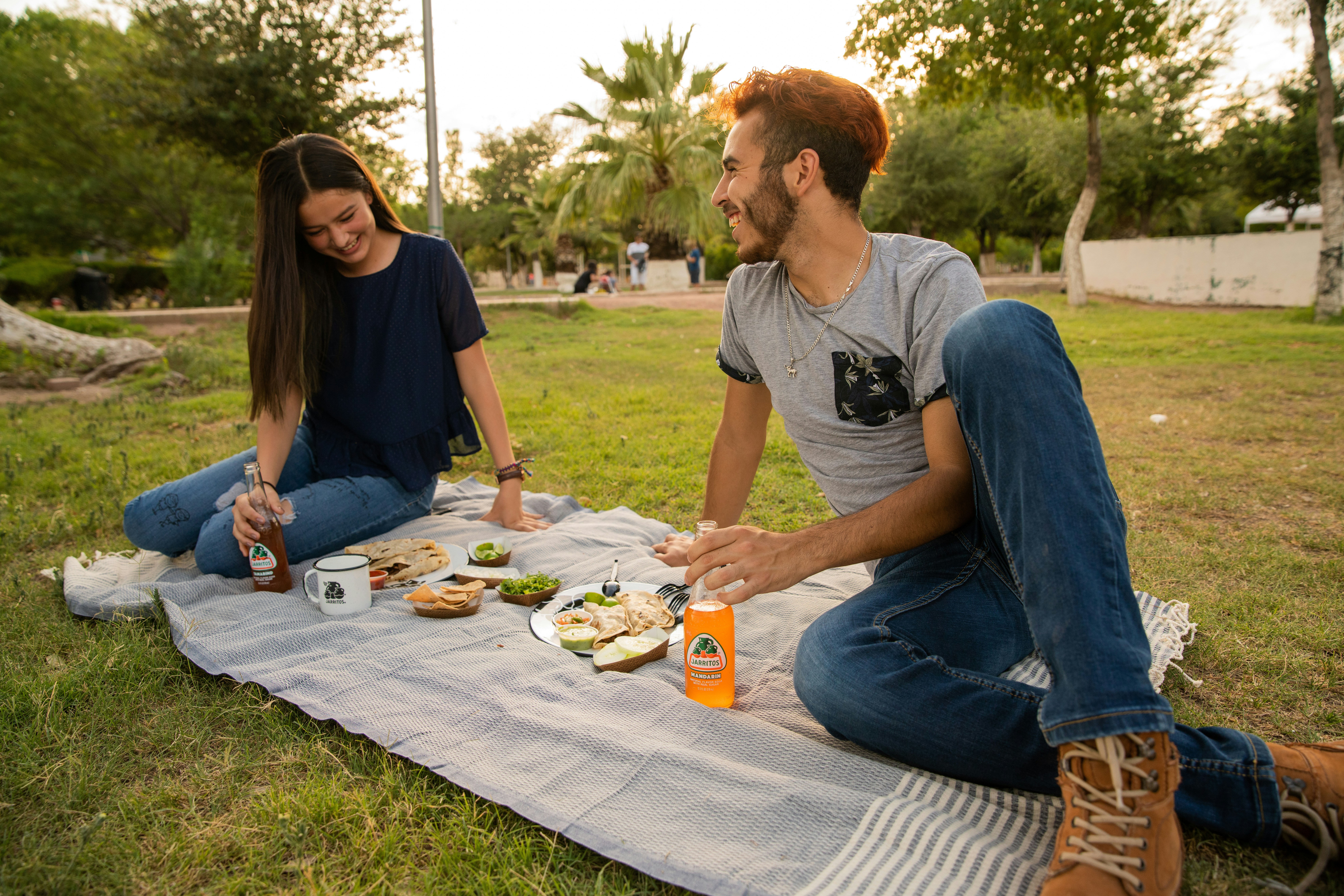
Nowruz picnic traditions reach their pinnacle during Sizdah Bedar, transforming public spaces into temporary Persian villages. Iranian families arrive early to claim prime spots under trees, setting up elaborate spreads that rival the most sophisticated outdoor dining experiences.
Traditional foods play a central role in these outdoor gatherings. Families prepare kuku sabzi (herb frittata), ash-e reshteh (noodle soup), and various rice dishes that travel well and feed large groups. The preparation often begins days in advance, with multiple generations of women working together to ensure every dish meets family standards. Dolmeh (stuffed grape leaves), kashk-e bademjan (eggplant dip), and an array of fresh herbs create a feast that celebrates Persian culinary heritage.
The communal aspect extends beyond individual families. Iranian spring gatherings often see multiple families sharing food, recipes, and stories. Children play traditional games like gol-ya (marbles) while adults engage in poetry recitations or music.
Modern Adaptations in American Cities
Urban Celebrations Across America
Persian communities in major American cities have transformed Sizdah Bedar into large-scale community events that attract hundreds of families. In Los Angeles, Griffith Park becomes a sea of Persian picnic blankets, with families arriving before dawn to secure spots near water sources. The Persian Cultural Center often coordinates these gatherings, providing live music, poetry readings, and cultural activities that enhance the traditional family celebrations.
New York's Iranian community has made Central Park and Flushing Meadows Corona Park their primary gathering places. Despite the urban setting, families maintain traditional elements, bringing sabzeh from their apartments, preparing elaborate picnics, and ensuring children understand the cultural significance of spending this day in nature.
Technology and Tradition
Modern Iranian-American families use social media and messaging apps to coordinate massive family reunions that sometimes span multiple parks or beaches. WhatsApp groups dedicated to Sizdah Bedar planning begin organizing months in advance, sharing location details, coordinating food preparation, and ensuring elderly family members have transportation to celebration sites.
These digital connections have actually strengthened traditional celebrations. Families share recipes, coordinate carpools, and even live-stream parts of their celebrations for relatives still in Iran or scattered across other countries. The wisdom of Persian roots flows through both ancient rituals and modern communication methods, creating a bridge between generations and continents.
Regional Variations in American Persian Communities
West Coast Celebrations
California's Iranian community, concentrated in areas like Beverly Hills, Irvine, and the San Francisco Bay Area, has access to diverse natural settings for Sizdah Bedar celebrations. Beach communities organize massive gatherings where families can perform the sabzeh ceremony in the Pacific Ocean while enjoying traditional picnics on the sand. The mild California climate allows for elaborate setups with Persian carpets, portable sound systems for traditional music, and even temporary tea stations serving chai and shirini.
East Coast Adaptations
East Coast Iranian communities face different challenges and opportunities. The timing of Sizdah Bedar sometimes coincides with unpredictable April weather, requiring backup plans for indoor cultural centers or covered pavilions.
Southern Celebrations
Growing Iranian populations in Texas, particularly in Houston and Dallas, have created unique fusion celebrations that incorporate local elements while maintaining traditional core practices. Some families combine Sizdah Bedar with American barbecue traditions.
The Role of Children and Cultural Transmission
Sizdah Bedar serves as a crucial moment for cultural education within Iranian-American families. Parents use the day to teach children about Persian history, poetry, and traditions in an engaging outdoor setting. Unlike formal classroom instruction, these lessons unfold naturally as families prepare food together, participate in the sabzeh ceremony, and interact with community elders.
Children born in America often experience their deepest connection to Persian culture during these outdoor celebrations. The combination of nature, community, and ritual creates lasting memories that shape cultural identity. Many Iranian-American adults recall their childhood Sizdah Bedar experiences as pivotal moments in understanding their heritage.
Games and activities specifically designed for children include traditional Persian circle games, storytelling sessions featuring characters from Shahnameh, and art projects using natural materials collected during the outdoor celebration.
Environmental Consciousness and Modern Practice
Contemporary Iranian-American communities have begun incorporating environmental awareness into traditional Sizdah Bedar celebrations. Some families grow their sabzehorganicallys andusee biodegradable picnic supplies. Environmental consciousness aligns naturally with the holiday's emphasis on nature and renewal.
The Intersection of Faith and Nature
While Sizdah Bedar predates Islam and draws from Zoroastrian traditions, modern Iranian families often blend religious observances with ancient customs. Some families begin their outdoor celebrations with prayers of gratitude, while others incorporate Islamic concepts of stewardship over nature into their children's education about the holiday.
This religious flexibility allows Iranian families of various backgrounds, whether religious, secular, or somewhere in between, to participate meaningfully in community celebrations. The holiday's emphasis on nature, family, and community transcends specific religious interpretations while maintaining its spiritual essence.
The celebration also connects to broader Persian cultural traditions that emphasize the cyclical nature of time and humanity's relationship with the natural world. Shabe Yalda traditions and other Persian observances throughout the year create a cultural calendar that keeps Iranian-Americans connected to ancestral wisdom while building new traditions in their American communities.
Embracing Persian Heritage Through Nature
As Persian families gather in parks, beaches, and community spaces across the United States to celebrate Sizdah Bedar, they're not just maintaining ancient traditions but actively creating new forms of cultural expression that honor their heritage. These Persian Nature Day celebrations strengthen community bonds, transmit cultural knowledge to younger generations, and demonstrate how diaspora communities can thrive while preserving their distinctive identities.
Visit United Tribes today to learn more about Persian culture and community celebrations that bring heritage to life in modern America.
Make United Tribes Your Preferred Source
Add United Tribes on Google to get the latest stories, cultural updates, and community events directly in your Google Search and Top Stories.


