


A Nation Defined by the Beautiful Game
Some countries play football. Then there is Uruguay — a country that *lives* it. With a population of just under 3.5 million, this small South American nation has left a footprint on world football that rivals that of giants many times its size. Uruguay's football history and culture are inseparable threads woven into the national identity, shaping how Uruguayans see themselves and how the world sees them. To understand Uruguay is to understand what it means to compete, to endure, and to triumph against every conceivable odd.
The Birth of a Football Nation
Uruguay's relationship with football began in the late 19th century when British immigrants introduced the sport to the Río de la Plata region. It took root quickly, spreading through working-class neighborhoods and becoming the democratic language of a young nation still defining itself. By the early 20th century, organized leagues had formed, clubs had loyal followings, and a distinctly Uruguayan style of play — technical, passionate, and tactically fierce — had begun to emerge.
Uruguay claimed back-to-back Olympic gold medals in 1924 and 1928, announcing themselves to a global audience. These weren't flukes. They were declarations.
The 1930 World Cup: Where Legends Were Born
When FIFA organized the first-ever FIFA World Cup in 1930, Uruguay was chosen as the host nation — a recognition of their footballing stature. Playing on home soil, with the weight of a nation's hope on their shoulders, the Uruguayan squad delivered. They defeated Argentina 4–2 in a historic final, becoming the first-ever World Cup champions.
The 1930 triumph told Uruguayans that their small country could stand on the world stage, making it a cultural cornerstone. Players like José Nasazzi, Héctor Scarone, and Pedro Cea became national heroes whose names are still spoken with reverence today.
The Maracanazo: Football's Most Stunning Upset
If 1930 was the birth of legend, 1950 was its immortalization. In the final match of the 1950 World Cup, held in Brazil, Uruguay faced the tournament hosts before nearly 200,000 people at the Maracanã Stadium in Rio de Janeiro. Brazil needed only a draw to win the championship, while Uruguay needed to win outright.
What followed became known as the Maracanazo — one of the greatest upsets in sports history. Uruguay won 2–1. The Maracanã fell silent. A nation wept. And Uruguay danced.
Soccer and Uruguay's pride are forever linked to this moment. The Maracanazo is a story about belief, identity, and the audacity of a small nation that refused to accept its assigned role as an underdog. Decades later, Brazilian football journalists still refer to the Maracanã as haunted by that day.
The Club Culture Behind the National Glory
Uruguay's international success cannot be separated from its passionate club football culture. Two clubs sit at the heart of this passion:
- Club Nacional de Football — founded in 1899, representing a broad, national identity
- Club Atlético Peñarol — founded in 1891, with roots in the working-class railway workers of Montevideo
The rivalry between these two clubs, known as the Clásico Uruguayo, is among the most intense in world football. Families divide along these lines. Neighborhoods take sides. The passion flows down generations like a genetic inheritance. This domestic intensity is what sharpens Uruguay's players long before they ever pull on the sky-blue Celeste national jersey.
Modern Legends Carrying the Torch
Uruguay's World Cup legacy didn't freeze in the 20th century. The country has consistently produced world-class talent that continues to compete at the highest levels globally. Names like:
- Diego Forlán — FIFA World Cup Golden Ball winner in 2010
- Luis Suárez — one of the most prolific forwards of his generation
- Edinson Cavani — a Champions League finalist and elite goal scorer
- Federico Valverde — a rising midfield force for Real Madrid
These players carry the weight of history lightly but purposefully. When they wear the Celeste, it is a cultural inheritance stretching back over a century.
Football as Cultural Identity
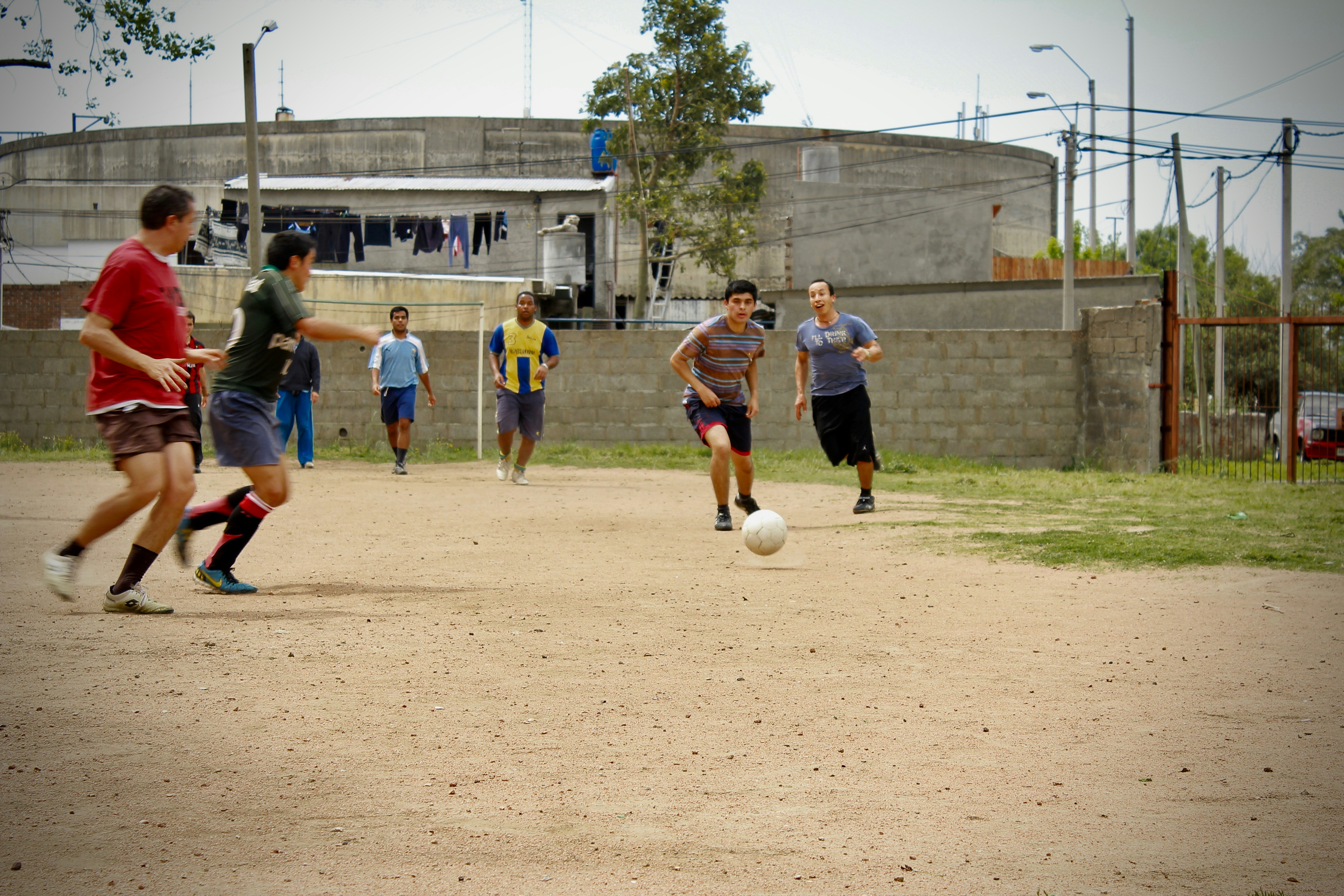
In Uruguay, football is a cultural institution. Match days transform Montevideo. Families gather. Radios and televisions broadcast with the urgency of breaking news. Children grow up kicking balls in narrow streets, dreaming of the Centenario stadium, of the World Cup, of becoming the next figure in an unbroken chain of national heroes.
Uruguay's football history and culture are alive in everyday life — in the conversations at corner stores, in the murals on city walls, in the songs sung at stadiums. Football here is a vehicle for community, memory, and meaning. It is how Uruguayans say: *we are still here, and we are still competing.*
Uruguay's Legacy Lives On
Uruguay's football story is one of the most remarkable in the history of sport. From the first World Cup triumph in 1930 to the mythical Maracanazo of 1950, from the legendary club rivalries of Montevideo to modern stars lighting up Europe's biggest stages, this small country has punched above its weight with extraordinary consistency. Uruguay's World Cup legacy is built on culture, identity, passion, and an unrelenting national will.
For members of the Uruguayan diaspora and cultural enthusiasts alike, football is one of the most powerful threads connecting communities across borders. Whether you grew up watching Peñarol or Nacional, cheering Suárez or Forlán, that soccer and Uruguay pride runs deep — and it deserves to be celebrated and shared.
Visit United Tribes today to learn more about Uruguayan culture and community, where stories like these are honored, and the spirit of the Celeste lives on.


