
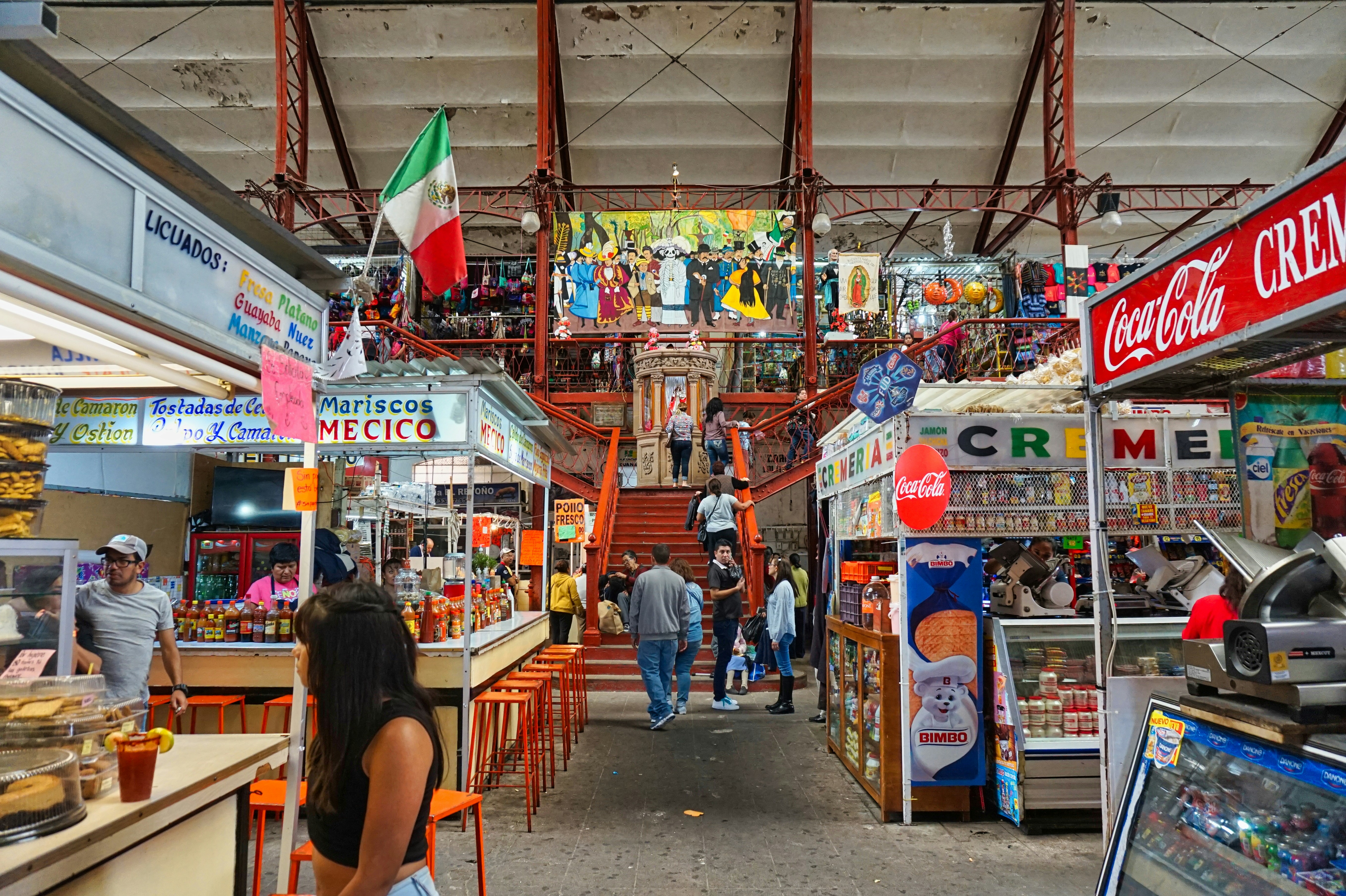

As spring arrives in 2026, Latino communities across the United States are preparing to transform neighborhoods into vibrant culinary destinations. From weekend markets in East L.A. to pop-up festivals in Miami’s Little Havana, Latino street food markets promise a season of cultural celebration and culinary creativity. These markets are expressions of heritage, gathering spaces, and economic drivers that strengthen the connection between tradition and modern American life.
The Cultural Significance of Latino Street Food Markets
Latino street food markets act as cultural anchors within communities, preserving traditions while creating spaces for intergenerational connection. They reflect the spirit of mercados found throughout Latin America, where families gather to share meals, conduct business, and strengthen social ties.

Welcome to United Tribes
Where Mexican Culture Comes Alive
Join Your Tribe
Connect with your people
Discover Events
Watch parties & festivals
Find Mexican Businesses
Restaurants, markets & more
Earn Crown Credits
Get rewarded for engaging
Many vendors represent generations of culinary knowledge, preparing recipes passed down through families who have maintained authenticity despite relocation. When a grandmother from Oaxaca sells tamales beside a second-generation Mexican-American entrepreneur serving gourmet elote, the market becomes a bridge between heritage and innovation.
Spring markets are especially meaningful because they coincide with major Latino celebrations. Preparations for Easter, Cinco de Mayo, and patron saint festivals naturally draw communities together. During this season, markets often feature traditional music, folk art demonstrations, and cultural education alongside a diverse array of food offerings.
Beyond food, these markets serve as informal community hubs where people share information about resources, local events, and small-business opportunities. Through these grassroots spaces, the influence of Latin cuisine in the United States continues to grow.
Regional Variations in Spring Latino Food Markets
West Coast Latino Street Food Markets
California hosts some of the country’s most diverse Latino markets, reflecting its proximity to Mexico and large Central American population. Los Angeles leads with markets in Boyle Heights, East L.A., and the San Fernando Valley, where vendors serve everything from Salvadoran pupusas to Korean-Mexican fusion tacos.
San Francisco’s Mission District offers another distinctive experience, with strong influences from Nicaragua, Guatemala, and Peru. Spring markets often showcase different styles of ceviche, offering visitors insight into regional variations in Latino cuisine.
East Coast Hispanic Food Festivals
New York City’s Latino markets span several boroughs. Washington Heights showcases Dominican specialties, Corona highlights Colombian and Ecuadorian dishes, and the Bronx celebrates Puerto Rican and Mexican food traditions.
Spring festivals in these neighborhoods often run for entire weekends and feature live music, dance performances, and cultural showcases.
Florida’s markets reflect its diverse Hispanic population. Miami emphasizes Cuban and Venezuelan foods, while Orlando and Tampa highlight Mexican and Puerto Rican traditions. Florida’s growing season allows vendors to incorporate fresh tropical fruits and vegetables into traditional recipes.
Southwest Latino Market Traditions
Texas, Arizona, and New Mexico offer markets that blend Mexican culinary traditions with Indigenous influences. San Antonio markets feature breakfast tacos and barbacoa, while Phoenix showcases Sonoran hot dogs and freshly made flour tortillas.
Many southwestern markets also include vendors selling handmade crafts, creating experiences that celebrate both food and regional heritage. Spring events often feature chile-roasting demonstrations and early harvest celebrations that connect cuisine to agricultural cycles.
Popular Spring Street Foods and Seasonal Specialties
Spring markets highlight foods that celebrate seasonal ingredients while maintaining traditional flavors. Esquites and elote vendors appear as temperatures rise, serving grilled corn topped with mayonnaise, cotija cheese, chili powder, and lime—classic street foods blending Indigenous ingredients with Spanish influences.
Aguas frescas are popular beverages, with flavors like hibiscus, tamarind, and fresh fruit offering refreshing complements to spicy dishes. Many vendors rely on family recipes that carefully balance sweetness and acidity.
Common spring offerings include:
-
Tamales featuring seasonal vegetables and fresh corn
-
Citrus-based ceviche made with fresh seafood
-
Quesadillas with spring greens and cheese
-
Fruit cups with mango, jicama, cucumber, and chili-lime seasoning
-
Churros and tres leches cake for dessert
Many vendors also introduce creative fusion dishes that reflect life in the United States, such as Korean-Mexican tacos or Peruvian-Italian pasta. These innovations show how Latino cuisine evolves while preserving its cultural roots.
Traditional Cooking Methods on Display
Markets provide rare opportunities to observe traditional cooking techniques. Vendors often prepare masa-based dishes on large comales, where tortillas, sopes, and pupusas are made fresh in front of customers. The rhythmic process of tortilla-making frequently attracts curious visitors.
Some vendors maintain wood-fired cooking methods for dishes like carnitas or barbacoa that require slow preparation. The aromas from these cooking fires create an atmosphere that reflects authentic market traditions.
Community Building Through Food Markets
Latino street food markets serve as vital community infrastructure. They create economic opportunities for small business owners while providing gathering spaces that strengthen neighborhood relationships.
Many vendors are immigrants who begin with market stalls before expanding into permanent restaurants or catering businesses. Markets also function as informal business incubators where experienced vendors mentor newcomers and share knowledge about permits, suppliers, and customer preferences.
Spring festivals often include educational activities where children learn about their heritage through cooking demonstrations and traditional preparation methods. These experiences help preserve cultural knowledge and encourage pride in Latino identity.
The economic impact extends beyond individual vendors to local suppliers, rental services, and nearby businesses that benefit from increased foot traffic.
Community organizations also use markets to share information about health services, legal resources, and educational programs. The familiar environment created by trusted food vendors makes outreach efforts more effective.
Navigating Latino Street Food Markets as a Visitor
First-time visitors may feel overwhelmed by the variety of dishes and unfamiliar flavors. The best approach is to approach with curiosity and respect for the cultural traditions behind the food. Vendors often appreciate when customers ask about ingredients, preparation methods, or regional origins.
Helpful tips for visiting markets include:
-
Bring cash, as many vendors prefer it
-
Be patient during busy times while food is being prepared fresh
-
Ask vendors for recommendations
-
Try smaller portions from several stalls
-
Observe other customers to understand ordering customs
Language differences rarely prevent enjoyable interactions. Vendors often communicate easily through gestures, demonstrations, and shared enthusiasm for food.
The social atmosphere encourages communal dining, where strangers share tables and recommend favorite dishes, turning meals into opportunities for cultural exchange.
Planning Your 2026 Latino Market Tour
Spring markets usually run from March through May, with the busiest events occurring on weekends or during cultural celebrations.
Ways to discover markets include:
-
Following Latino community organizations on social media
-
Checking cultural centers and community colleges for schedules
-
Monitoring Spanish-language media for festival announcements
The weather can affect market schedules, so checking online for updates is helpful. Visitors should also plan for craft and souvenir shopping, since many markets include artisan vendors.
Some cities offer guided food tours that provide a deeper cultural context and access to multiple markets in a single trip. These tours are especially useful for visitors unfamiliar with specific neighborhoods.
Embracing Latino Culinary Heritage Together
Latino street food markets in 2026 celebrate cultural heritage, community resilience, and culinary creativity. These spaces preserve traditions while encouraging economic opportunity and cultural exchange.
From recipes passed down through generations to innovative fusion dishes reflecting modern Latino-American life, spring markets offer authentic glimpses into the diversity of Latino communities across the United States.
As their popularity continues to grow, these markets strengthen the connection between traditional heritage and contemporary American culture—using food as a universal language that brings people together.
Visit United Tribes today to learn more about Latino culture and community events happening near you.
Make United Tribes Your Preferred Source
Add United Tribes on Google to get the latest stories, cultural updates, and community events directly in your Google Search and Top Stories.


