
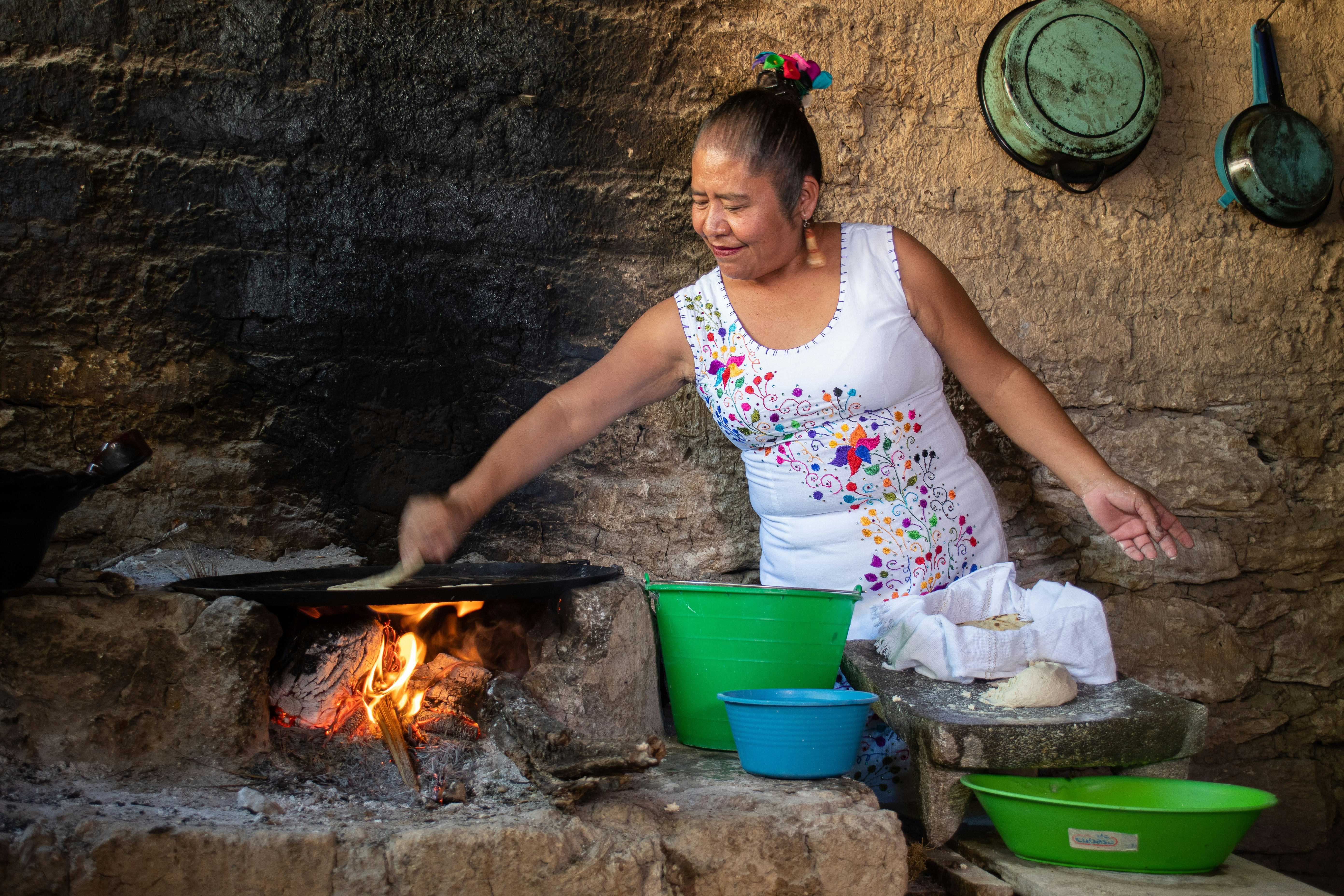

As spring breathes new life into communities across the United States, Latino family traditions come alive in kitchens, backyards, and dining rooms where generations gather to celebrate the season's promise. The Sunday table transforms into the sacred heart of family life, where stories are shared, recipes are passed down, and cultural identity is lovingly preserved. In Latino households, these Sunday meals represent a beautiful tapestry of heritage, love, and connection that has sustained families for countless generations.

Welcome to United Tribes
Where Mexican Culture Comes Alive
Join Your Tribe
Connect with your people
Discover Events
Watch parties & festivals
Find Mexican Businesses
Restaurants, markets & more
Earn Crown Credits
Get rewarded for engaging
The Sacred Ritual of Sunday Meal Preparation
In Latino households, Sunday meal preparation is a community effort that begins long before the first guest arrives. Mothers, daughters, aunts, and grandmothers often start their day before sunrise, gathering in kitchens that soon fill with the intoxicating aromas of cumin, cilantro, garlic, and fresh lime.
Traditional dishes vary by region and family heritage, but common elements unite Latino Sunday tables across different backgrounds. Mexican families might prepare pozole rojo with tender hominy and rich chili broth. At the same time, Puerto Rican households could feature perfectly seasoned pernil with crispy skin and tender meat that falls off the bone. Colombian families often center their meals around sancocho, a hearty stew that simmers for hours and feeds extended family members with its complex flavors.
The preparation itself becomes a form of meditation and bonding. Grandmothers share wisdom on achieving the perfect consistency for mole, while teenage cousins learn to fold empanadas or knead masa for fresh tortillas. These moments create lasting memories that children carry into their own adult kitchens, ensuring the influence of Latin cuisine continues to strengthen family bonds across generations.
Essential ingredients that appear consistently across Latino Sunday tables include fresh herbs like cilantro and oregano, staples such as rice and beans prepared in countless regional variations, and fresh vegetables that showcase spring's bounty. The emphasis on fresh, seasonal produce reflects both practical cooking wisdom and a deep connection to agricultural traditions that honor the earth's natural cycles.
Music and Atmosphere: Creating Cultural Ambiance
No Hispanic family gathering would be complete without music flowing through the house like an invisible thread connecting past and present. Spring Sunday gatherings often feature carefully curated playlists that span generations, from classic boleros and salsa romántica to contemporary reggaeton and Latin pop hits that get younger family members dancing between courses.
The musical choices reflect the family's specific heritage while also celebrating the broader Latino experience in America. Mexican families might play Vicente Fernández alongside Jesse & Joy, while Puerto Rican households could feature everything from Héctor Lavoe to Bad Bunny. The atmosphere created by these musical selections helps transport everyone present back to their ancestral homelands, even while firmly planted in American soil.
Dancing often breaks out spontaneously, especially when tíos (uncles) decide to show off moves they claim they still remember from their youth. Children learn merengue steps from their abuelas, while teenagers reluctantly attend bachata lessons with their parents. These musical interludes serve as cultural education wrapped in joy and laughter.
Outdoor Gatherings and Spring Weather Celebration
When spring weather permits, many Latino family traditions naturally migrate outdoors, where patios, backyards, and local parks become extensions of the family dining room. The Latino spring lifestyle embraces these opportunities to combine fresh air with family time, often featuring outdoor cooking techniques that add another layer of flavor and excitement to Sunday gatherings.
Outdoor cooking might include carne asada grilled to perfection over charcoal, whole chickens roasted on spits, or massive paellas prepared in specialized pans that can feed thirty people or more. The men often take charge of grilling duties while engaging in animated conversations about sports, work, and family news. Meanwhile, children play traditional games like pirinola or modern versions of tag and soccer.
Setting Up Outdoor Family Spaces
Creating comfortable outdoor gathering spaces requires thoughtful preparation that many Latino families have perfected over the years of practice. Tables and seating often involve creative combinations of folding tables, picnic benches, and plastic chairs arranged to accommodate everyone from toddlers to great-grandparents. Tablecloths weighted down with clips or rocks protect food from spring breezes while adding festive color to the setting.
Portable shade becomes crucial for longer gatherings, with pop-up canopies, umbrellas, and strategically hung tarps providing relief from the sun and unexpected spring showers. Coolers filled with ice keep beverages cold and fresh fruit properly chilled, while portable speakers ensure the music continues seamlessly from indoor preparation to outdoor celebration.
Activity stations often emerge naturally as family members bring dominoes, cards, musical instruments, and sports equipment. These items create organic entertainment centers where different age groups can engage in activities that suit their interests while remaining part of the larger family gathering.
Storytelling and Cultural Memory Preservation
Hispanic family gatherings serve as informal archives where family history, cultural knowledge, and personal experiences are shared and preserved through oral tradition. Spring Sunday tables become forums where older generations pass down stories about immigration experiences, childhood memories from ancestral homelands, and family legends that might otherwise be lost to time.
Storytelling traditions often emerge after the main meal when coffee and dessert create a more relaxed atmosphere conducive to longer conversations. Grandparents share memories of their first springs in America, describing the culture shock and wonder of experiencing new seasonal rhythms while missing familiar traditions from home.
Children and teenagers initially might seem more interested in their phones or games. Still, experienced family storytellers know how to gradually draw them into conversations through humor, dramatic retellings, and connections to current events or pop culture references. Cultural memory preservation happens naturally when stories feel relevant and engaging rather than like formal lectures.
Family recipes often come with stories about their origins, modifications made for American ingredients, and special occasions when they were first prepared.
Strengthening Community Connections
Sunday family gatherings frequently expand beyond immediate household members to include friends, neighbors, and community members. Latino spring lifestyle embraces this inclusive approach to family time, recognizing that community support systems are essential for maintaining cultural traditions in diaspora communities.
Extended community involvement might include inviting recently arrived immigrants who lack local family connections, neighborhood families from different cultural backgrounds who appreciate Latino hospitality, and longtime family friends whose own children have grown up alongside current family members. These inclusive gatherings help strengthen broader community bonds while introducing others to Latino cultural values.
Cultural exchange happens naturally when diverse groups share Sunday tables, with non-Latino guests often contributing dishes from their own traditions while learning about Latino customs and values. Children from different backgrounds play together, creating friendships that cross cultural lines while maintaining respect for individual heritage traditions.
Supporting local Latin businesses often becomes part of Sunday preparation, with families purchasing specialty ingredients from neighborhood markets, fresh bread from local panaderías, and desserts from beloved pastry shops.
Preserving Heritage Through Sunday Tables
The Sunday table tradition in Latino homes represents far more than weekly meal sharing—it embodies a commitment to cultural preservation, family unity, and community building that strengthens with each passing generation. These gatherings create sacred spaces where heritage recipes become love languages, where music bridges generational gaps, and where stories ensure that cultural memory continues flowing forward into American-born children and grandchildren.
Visit United Tribes today to learn more about Latino culture and community celebrations that bring families together year-round.
Make United Tribes Your Preferred Source
Add United Tribes on Google to get the latest stories, cultural updates, and community events directly in your Google Search and Top Stories.


