
In Spain, football is never just a game. It is an occasion, a ritual, and above all, a reason to gather. Whether the match is a fierce El Clásico or a mid-table league fixture, the Spanish approach to watching football transforms every broadcast into a full sensory experience. Plates of food appear, drinks are poured, and conversations stretch long past the final whistle. Understanding Spanish tapas football culture means understanding something deeper about Spanish life itself — the belief that almost everything is better when shared.
The Bar as the Heart of Match Day
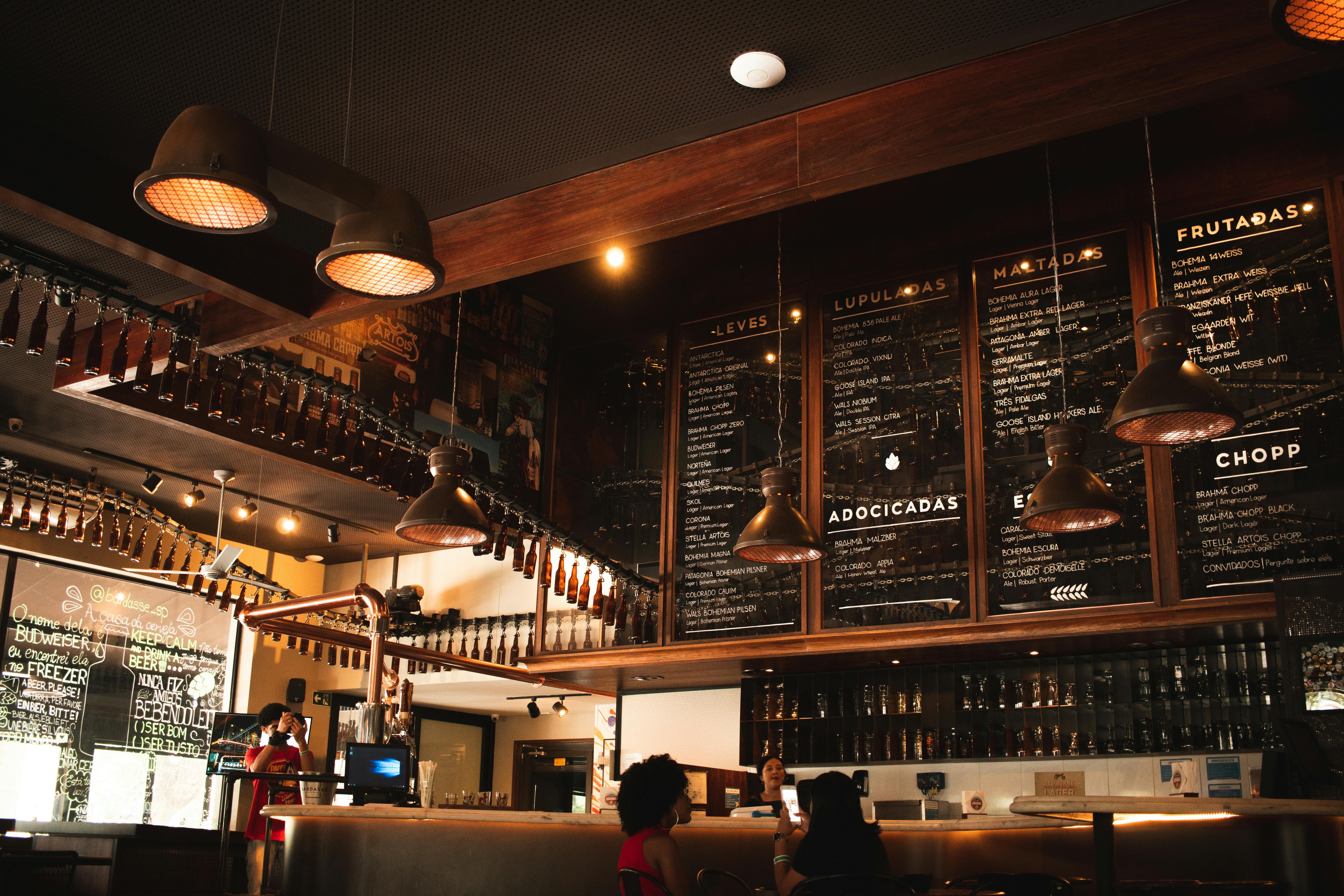
Few settings capture Spanish football culture as powerfully as the neighborhood bar. Known as a bar de barrio, these establishments are community anchors. On match days, they fill early. Regulars claim their usual spots, the television is turned up, and the kitchen begins sending out food before kickoff.

Welcome to United Tribes
Where Spanish Culture Comes Alive
Join Your Tribe
Connect with your people
Discover Events
Watch parties & festivals
Find Spanish Businesses
Restaurants, markets & more
Earn Crown Credits
Get rewarded for engaging
The atmosphere is loud, familiar, and welcoming. Strangers become temporary teammates, united by shared team allegiance and shared plates. This is where the Spanish football social culture lives most vividly, in smaller, more intimate spaces like a tiled room thick with the smell of fried food and strong coffee, rather than only in stadium seats.
Bartenders move quickly, pulling beers and pouring vermut without being asked. The rhythm is well-practiced. Everyone knows their role in this weekly performance.
What's on the Table: Classic Match Day Tapas
Food is inseparable from the match day experience. Spanish soccer traditions related to food have their own logic — dishes that are easy to share, simple to eat without utensils, and bold enough to hold attention between plays.
Some of the most common match day bites include:
- Patatas bravas — fried potato cubes topped with spicy tomato sauce or aioli, endlessly snackable
- Gambas al ajillo — garlic shrimp sizzling in olive oil, served straight from a ceramic dish
- Croquetas — creamy, breaded bites filled with jamón or bacalà
- Pan con tomate — grilled bread rubbed with ripe tomato and drizzled with olive oil
- Boquerones — marinated anchovies, sharp and briny, perfect alongside cold beer
- Tortilla española — thick potato omelet, sliced into wedges and eaten at room temperature
These dishes are designed for exactly this purpose: something to reach for when the tension builds, something to pass down the table without breaking conversation.
Drinks, Rhythm, and the Pace of the Afternoon
In Spain, match day food culture extends well beyond snacking. It follows a pace. The gathering often begins before the game with a round of vermut — a bittersweet aperitif served over ice with an olive. This pre-match ritual signals the shift from ordinary afternoon to something more deliberate.
Beer, or cerveza, dominates once the match begins. Spanish lagers are served cold in small glasses called cañas, ensuring each pour stays fresh. Wine appears, too, especially in regions like Rioja or Catalonia, where local pride runs through the glass as much as it does the game.
The rhythm of drinking mirrors the rhythm of football itself. Slow build, sudden bursts of excitement, long stretches of anticipation. Spaniards rarely rush through a drink. They nurse it, refill it, and keep talking.
The Social Architecture of Watching Together
What makes Spanish football culture so distinctive is not just what people eat or drink, but how they structure time around the match. A game that kicks off at 9 PM might prompt a gathering that begins at 7 and ends past midnight.
Before kickoff, the conversation covers predictions, recent form, and which players deserve criticism. During the game, the table quiets briefly for key moments, then erupts collectively — cheers, groans, debates. After the match, the analysis begins in earnest. No one leaves immediately.
This is deeply intentional. Spanish culture places enormous value on sobremesa — the time spent lingering at the table after eating, talking for its own sake. Football gives that tradition a dramatic structure. The match is the frame; the social experience is the painting.
Regional Rivalries, Local Flavors
Spain's football passion is also deeply regional, and that regionalism shapes the food and drink on the table. A match day in the Basque Country might feature pintxos — small bites on bread, held together with toothpicks — lined up along the bar counter in San Sebastián's old town. In Andalusia, a cold fino sherry might accompany the game alongside jamón ibérico.
In Catalonia, the food takes on a Catalan character. In Valencia, a table might include all i pebre, a bold eel and paprika stew. The sport may be national, but the table is always local. This is how tapas expresses the country's deeper identity — unified by the game, distinct in flavor.
Match Day at Home: The Domestic Version
Not every Spanish football gathering happens in a bar. Home matches are equally significant. Families and friend groups rotate hosting duties across the season. The host prepares food in advance, sometimes cooking for hours before kickoff.
Home gatherings follow the same generous spirit. Dishes cover the table. The television is the largest screen available. Children run between rooms. Grandparents hold opinions about the manager. The home setting adds warmth and more food — larger portions, slower eating, deeper conversation.
Where Football and Flavor Meet
Spanish match day culture offers one of the world's most complete examples of food, sport, and community working in harmony. From the first round of vermut to the last post-match debate, every element is designed to deepen the connection. The tapas are central to the experience, as essential as the scoreline itself.
Whether you are Spanish or drawn to how cultures build community around food and ritual, there is much to admire and learn from this tradition. The Spanish model reminds us that a meal eaten together during a shared moment of excitement is never just a meal. It is a memory being made in real time.
Visit United Tribes today to learn more about Spanish culture and community, and discover how heritage shapes how people gather, eat, and celebrate around the world.