
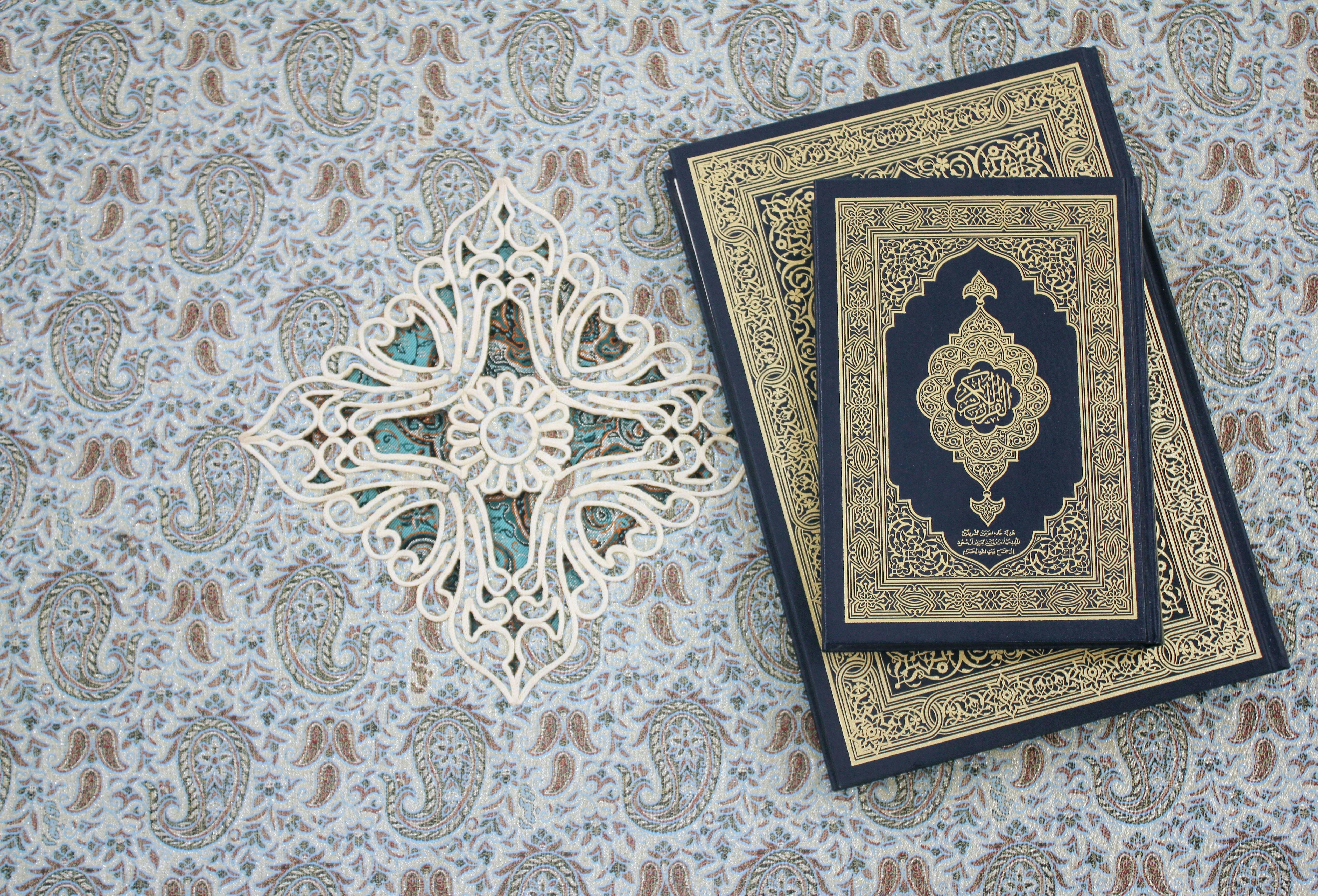

Persian storytelling represents one of humanity's most enduring and sophisticated narrative traditions, weaving together mythology, history, and moral instruction across millennia. From the ancient oral traditions that gave birth to epic masterpieces to the contemporary voices of Iranian-American writers, Persian storytelling continues to captivate audiences with its rich imagery, complex characters, and timeless themes. This literary heritage has not only preserved Iranian culture through centuries of change. Still, it has also evolved to address the experiences of diaspora communities, creating bridges between ancient wisdom and modern realities.
Today, as Iranian communities worldwide celebrate their heritage through various cultural expressions, understanding the evolution of Persian storytelling provides insight into how traditions adapt while maintaining their essential spirit.

Welcome to United Tribes
Where Persian Culture Comes Alive
Join Your Tribe
Connect with your people
Discover Events
Watch parties & festivals
Find Persian Businesses
Restaurants, markets & more
Earn Crown Credits
Get rewarded for engaging
The Foundation: Ancient Persian Oral Traditions
Before the written word captured Persian tales, storytellers known as naqqals traveled throughout the Iranian plateau, carrying with them the collective memory of the Persian people. These master storytellers possessed remarkable abilities to memorize vast epics, adapting their performances to different audiences while preserving the core narratives that would later become foundational texts of Iranian literature.
The oral tradition emphasized certain storytelling techniques that remain characteristic of Persian narrative today: circular storytelling structures, embedded tales within larger narratives, and the use of symbolic imagery drawn from nature and celestial bodies. These elements created stories that operated on multiple levels, entertaining general audiences while providing deeper philosophical insights to those seeking them.
The Role of Zoroastrian Influence
Ancient Persian storytelling was deeply influenced by Zoroastrian cosmology, which provided a framework of good versus evil that would permeate Persian narratives for centuries. The concept of eternal struggle between light and darkness, truth and falsehood, became a central theme that storytellers used to explore human nature and moral choices. This influence extended to the celebration of natural cycles.
The Zoroastrian emphasis on individual choice and responsibility created protagonists who faced genuine moral dilemmas, establishing a storytelling tradition that valued character development and ethical complexity over simple heroic adventures.
The Shahnameh: Pinnacle of Classical Persian Storytelling
Ferdowsi's Shahnameh, completed around 1010 CE, represents the zenith of classical Persian storytelling and one of the world's longest epic poems. This monumental work, comprising over 50,000 couplets, synthesized centuries of oral tradition into a cohesive narrative that spans mythical, heroic, and historical periods of Persian civilization.
The Shahnameh established many conventions that would influence Persian storytelling for generations. Ferdowsi's use of the mutaqarib meter created a rhythmic flow that enhanced memorization and oral recitation, while his character archetypes, like the wise king, the tragic hero, and the loyal friend, became templates for subsequent Persian narratives.
Narrative Techniques in the Shahnameh
Ferdowsi employed sophisticated storytelling techniques that demonstrated the maturity of Persian narrative art. His use of tanasokh (parallels between different stories) created thematic connections across the epic's vast scope. At the same time, his employment of tahwil (the transformation of folk material into literary art) demonstrated how master storytellers could elevate traditional tales into high literature.
The epic's structure alternates between intimate personal dramas and sweeping historical narratives. This technique allows readers to connect emotionally with individual characters while understanding their place within larger historical forces. This balance between personal and universal themes became a hallmark of sophisticated Persian storytelling.
Medieval Persian Literature and Mystical Narratives
The medieval period saw Persian storytelling expand beyond epic traditions to embrace mystical and romantic themes. Poets such as Rumi, Hafez, and Saadi developed innovative narrative forms that utilized storytelling as a vehicle for spiritual instruction and philosophical exploration.
Sufi storytelling introduced the concept of multiple interpretive layers, where surface narratives concealed deeper spiritual meanings. This tradition of batin (hidden meaning) versus zahir (apparent meaning) enriched Persian narrative techniques and influenced how stories were both told and understood.
The Conference of the Birds and Allegorical Storytelling
Attar's "Conference of the Birds" exemplifies how Persian storytellers adapted traditional narrative structures to convey complex philosophical ideas. The work uses the journey motif, a staple of Persian storytelling, to explore stages of spiritual development, demonstrating how master storytellers could embed profound teachings within engaging narratives.
The text's use of embedded stories within the larger frame narrative showcases the Persian preference for nested storytelling structures. This technique allows for multiple perspectives and the gradual revelation of meaning.
The Safavid Renaissance and Prose Narratives
During the Safavid period (1501-1736), Persian storytelling experienced renewed flourishing as court patronage supported both traditional epic recitation and innovative prose narratives. This era witnessed the development of tazkira literature and biographical storytelling, which documented the lives of poets, saints, and historical figures.
The period also witnessed the refinement of hikayat (story collections), which gathered traditional tales while adding literary sophistication through careful attention to prose style and thematic organization. These collections preserved folk narratives while elevating them to the level of literary art, demonstrating the ongoing vitality of Persian storytelling traditions.
Persian Storytelling in the Modern Era
The 19th and 20th centuries brought significant changes to Persian storytelling, as contact with European literary traditions introduced new forms, including the novel and short story. Writers like Sadegh Hedayat pioneered modernist techniques while maintaining connections to traditional Persian narrative elements.
Contemporary Iranian literature has continued to evolve, with writers exploring themes of modernity, identity, and social change while drawing upon the rich heritage of Persian storytelling techniques. The tradition of using symbolic language and indirect expression, developed during centuries of political constraints, has proven particularly valuable for modern writers addressing sensitive social and political topics.
The Impact of Cinema on Persian Narrative
Iranian cinema has become a significant medium for continuing Persian storytelling traditions, with directors such as Abbas Kiarostami and Asghar Farhadi creating films that employ traditional Persian narrative techniques, including circular structures, embedded stories, and symbolic imagery, within contemporary settings. This cinematic evolution demonstrates how Persian storytelling continues to evolve in response to new media while preserving its essential characteristics.
Iranian-American Literary Voices
The Iranian diaspora has produced a remarkable generation of writers who have enriched both Persian and American literary traditions. Iranian-American writers such as Azar Nafisi, Marjane Satrapi, and Dina Nayeri have created works that bridge cultural boundaries while retaining distinctive Persian storytelling elements.
Themes in Contemporary Iranian-American Literature
Modern Iranian-American writers frequently explore themes of displacement, cultural transmission, and identity formation that resonate with diaspora communities worldwide. Their works often employ the Persian storytelling technique of using food, celebration, and family traditions as narrative anchors, similar to how communities maintain connections through Persian cultural celebrations and traditional culinary practices.
These contemporary narratives demonstrate how Persian storytelling traditions continue to provide frameworks for understanding and articulating complex experiences of migration, adaptation, and cultural preservation. The emphasis on taarof and subtle communication, traditional elements of Persian culture, appear in these works as characters navigate between different cultural expectations and social norms.
Preserving and Continuing the Tradition
Today's Persian storytelling tradition faces both challenges and opportunities as communities work to preserve ancient narrative techniques while adapting to contemporary media and global audiences. Cultural organizations and community centers play vital roles in maintaining oral storytelling traditions through regular naqqali performances and storytelling workshops.
The digital age has created new platforms for Persian storytelling, allowing Iranian literature to reach global audiences while providing diaspora communities with access to traditional and contemporary Persian narratives. Online repositories, podcasts, and digital publications ensure that both classical works and contemporary voices remain accessible to new generations.
Educational initiatives within Iranian communities emphasize the importance of storytelling as a means of cultural transmission, recognizing that narrative traditions carry not just entertainment value but essential cultural knowledge and values. The understanding that Persian identity encompasses multiple dimensions reinforces the importance of maintaining diverse storytelling voices and perspectives.
A Living Narrative Legacy
From the epic grandeur of the Shahnameh to the nuanced explorations of contemporary Iranian-American writers, this narrative heritage demonstrates remarkable resilience and adaptability. The techniques developed over millennia, like symbolic language, circular structures, and embedded meanings, continue to provide powerful tools for artists addressing modern themes of identity, displacement, and cultural preservation.
The enduring power of Persian storytelling lies in its ability to make the universal particular and the particular universal, creating narratives that speak to shared human experiences while maintaining distinctive cultural authenticity. Visit United Tribes today to learn more about Persian culture and community.
Make United Tribes Your Preferred Source
Add United Tribes on Google to get the latest stories, cultural updates, and community events directly in your Google Search and Top Stories.