
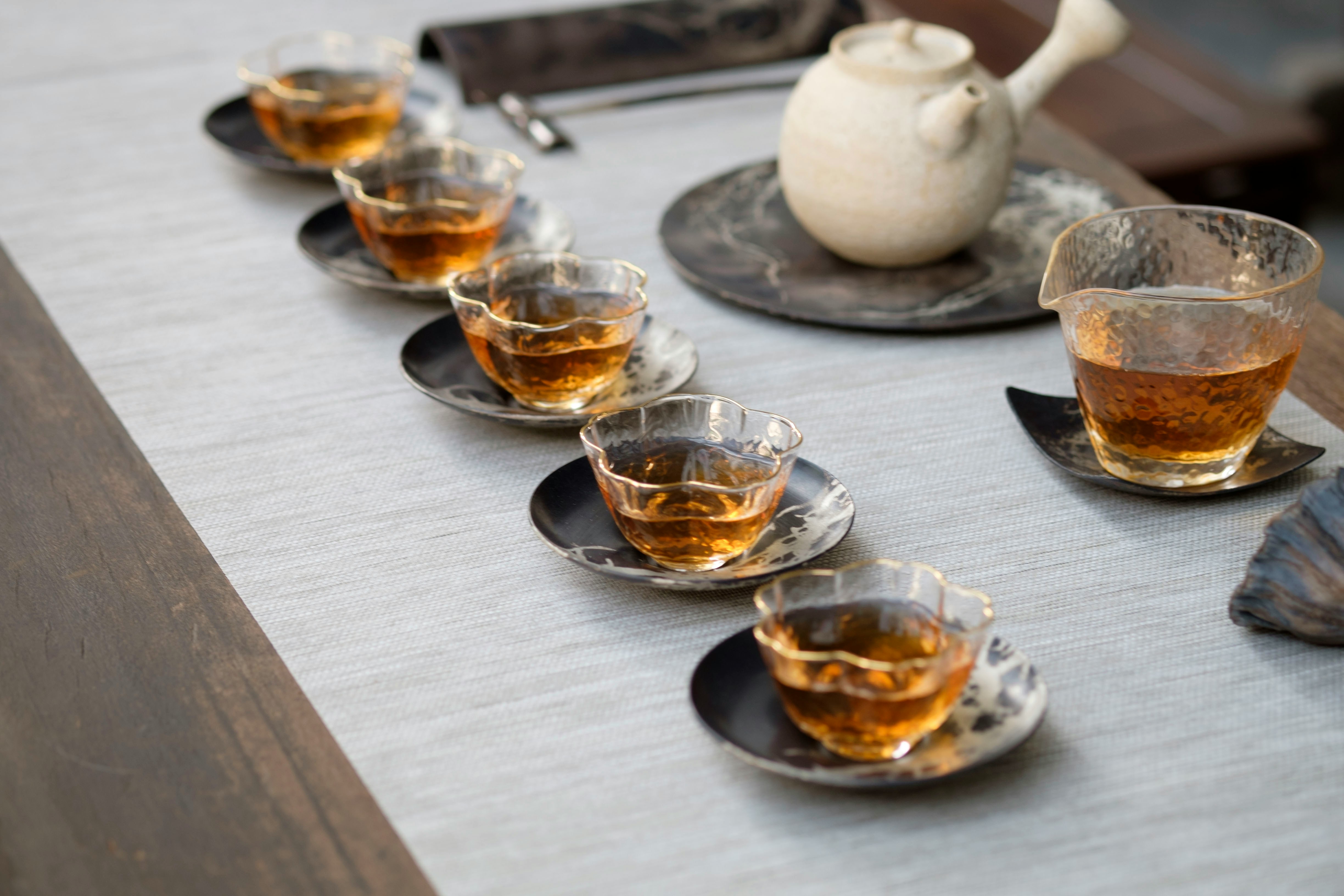


The rich aromatic steam rising from a glass of chai has been central to Persian culture for centuries, creating moments of connection, hospitality, and reflection. Today, this ancient tradition is finding new life in American tea culture, as Persian tea enthusiasts introduce exotic flavors like saffron, rose, and cardamom to a growing audience of tea lovers seeking authentic cultural experiences. From bustling cafés in Los Angeles to specialty tea shops in New York, the art of Persian tea blending is quietly revolutionizing how Americans think about their daily cup.
The Rich History of Persian Tea Culture
Iranian tea culture has deep roots, dating back more than 500 years, when tea first arrived in Persia via the Silk Road. Unlike many Western tea traditions that emphasize quick preparation and convenience, Persian tea ceremonies celebrate patience, artistry, and community connection. The traditional samovar, an ornate metal container used for brewing tea, became the centerpiece of Persian households, symbolizing warmth and welcome for generations.
In Iran's northern provinces, particularly Gilan and Mazandaran, tea cultivation became an art form that influenced the nation's daily rhythms. Families would gather multiple times throughout the day for tea service, using small, tulip-shaped glasses called istakan that showcased the tea's rich amber color. This ritualistic approach to tea consumption emphasized quality over quantity, with each cup carefully prepared using specific brewing techniques passed down through generations.
The traditional Persian tea blend typically consists of black tea leaves, often Ceylon or Assam varieties, enhanced with aromatic spices and flowers that reflect Iran's abundant gardens and spice markets. Saffron, the precious golden spice harvested from crocus flowers, has emerged as the crown jewel of Persian tea blending, adding both luxury and distinctive flavor to special-occasion brews.
Traditional Persian Tea Blending Techniques
The foundation of authentic Persian tea begins with understanding the do-rang brewing method, which creates two distinct layers of tea strength. Master tea blenders start with high-quality black tea leaves, typically using one teaspoon per glass plus one additional spoon "for the pot." The tea steeps in a small teapot positioned atop the samovar, where gentle steam heat keeps it at the perfect temperature without over-brewing.
Saffron preparation requires special attention, as this precious spice demands careful handling to release its full aromatic potential. Traditional blenders soak saffron threads in hot water for at least 30 minutes, creating a golden liquid that transforms ordinary tea into an extraordinary sensory experience. The resulting saffron tea variations often surprise American palates with their subtle sweetness and complex floral notes.
Rose petals, another signature element in Persian tea blending, undergo a delicate drying process that preserves their essential oils and vibrant color. Traditional blenders combine dried rose petals with black tea in a specific ratio, typically one part rose petals to four parts tea leaves. This creates a fragrant blend that captures the essence of Persian gardens, where roses have symbolized beauty and spiritual connection for centuries.
Cardamom pods, cinnamon bark, and dried orange peel add additional complexity to traditional Persian blends. Master blenders understand that each spice requires different treatment—cardamom pods are lightly crushed to release oils without creating bitter flavors. At the same time, cinnamon bark is broken into small pieces and slowly infuses during brewing. These essential spices of Persian cuisine extend naturally into tea culture, creating harmonious flavor profiles that complement it.
Persian Tea's Growing Influence in American Markets
The expansion of Persian tea offerings reflects broader trends toward artisanal, culturally authentic beverages in American markets. Specialty tea shops from California to Massachusetts now stock Persian-inspired blends, often working directly with Iranian-American suppliers who maintain connections to traditional tea gardens and spice sources. This growing market presence demonstrates how immigrant communities can successfully share their cultural treasures with mainstream American consumers.
Major American tea retailers have begun incorporating Persian-style blends into their premium collections, recognizing the appeal of exotic flavors like saffron and rose. These commercial adaptations often simplify traditional recipes while preserving key flavor elements, making Persian tea culture accessible to American consumers unfamiliar with complex brewing techniques.
Persian Tea Cafes and Cultural Centers
Iranian-American entrepreneurs across the United States have established tea houses and cafés that serve as cultural bridges, introducing Persian tea traditions to diverse communities. These establishments often feature traditional décor, including Persian carpets, brass samovars, and hand-painted tea glasses, creating immersive experiences that educate customers about Iranian heritage while serving exceptional tea.
In cities with significant Persian populations—Los Angeles, San Francisco, Washington, D.C., and New York—these tea houses serve as community gathering spaces where Persian traditions thrive alongside American café culture. Many locations offer tea education workshops that teach customers proper brewing techniques and the cultural significance of different blends, particularly during celebrations such as Shabe Yalda.
Signature Persian Tea Blends Gaining Popularity
Saffron tea varieties have captured American attention for their luxurious flavor profile and striking golden hue. Traditional saffron tea combines premium black tea with carefully sourced saffron threads, often enhanced with rose petals and a touch of cardamom. The resulting brew offers complex layers of flavor—earthy tea notes balanced with saffron's subtle sweetness and rose's floral elegance.
Gol Gav Zaban tea, featuring dried borage flowers, represents another Persian specialty gaining recognition in American markets. The flower petals create a naturally sweet, cucumber-like flavor that appeals to health-conscious consumers seeking caffeine alternatives. This herbal blend often includes rose hips and dried mint, creating refreshing afternoon tea options that differ significantly from traditional English afternoon tea service.
Chai Masala Persian-style blends incorporate warming spices such as cinnamon, cloves, and black pepper, alongside traditional Persian elements. These fusion blends appeal to American consumers already familiar with Indian chai while introducing distinctly Persian flavor elements. The careful balance of spices creates warming beverages perfect for cold weather, competing directly with popular commercial chai blends.
Seasonal and Ceremonial Blends
Persian tea blending traditions include specific recipes for different seasons and celebrations, many of which are finding audiences among American tea enthusiasts seeking variety and cultural authenticity. Winter warming blends typically emphasize cinnamon, cloves, and dried orange peel, creating comforting beverages that pair perfectly with Persian sweets and pastries.
Spring celebration teas feature fresh mint, dried rose petals, and light saffron touches that complement the season's renewal themes. These blends are often served during Nowruz celebrations and other Persian festivals, introducing American participants to the cultural significance of tea in Persian holiday traditions.
Health Benefits and Wellness Trends
The wellness properties of Persian tea ingredients align perfectly with current American health and wellness trends. Saffron contains antioxidants and compounds that may support mood balance and overall well-being, making saffron tea products attractive to health-conscious consumers seeking natural wellness solutions.
Rose petals provide vitamin C and anti-inflammatory compounds, while offering natural aromatherapy benefits that promote relaxation and stress relief. Many American consumers find that Persian tea blends offer caffeine alternatives for evening consumption, as many traditional recipes use herbal ingredients that can be enjoyed without concern for sleep disruption.
Traditional Persian tea culture emphasizes mindful consumption—slowly savoring each cup while engaging in conversation or reflection. This approach resonates with American consumers interested in mindfulness practices and stress reduction techniques. The ritual aspects of Persian tea service, from careful preparation to communal sharing, offer alternatives to fast-paced American beverage consumption patterns.
Creating Authentic Persian Tea Experiences at Home
American tea enthusiasts can create authentic Persian tea experiences using readily available ingredients and equipment. While traditional samovars provide the ideal brewing environment, standard teapots and tea kettles can produce excellent results when used properly. The key lies in understanding temperature control, timing, and ingredient quality rather than requiring specialized equipment.
Sourcing authentic ingredients has become easier as Persian grocery stores and online retailers expand their offerings to serve growing American demand. High-quality saffron, dried rose petals, and Persian tea blends are now available through specialty retailers and directly from Iranian-American importers who maintain quality connections to traditional sources.
Home brewing begins with selecting appropriate tea glasses or small cups that showcase the tea's color and aroma. While traditional istakan glasses provide the authentic experience, any small, clear glass will work just as well. The goal is to create an environment that encourages slow, mindful consumption rather than rushed drinking.
Sugar cubes, served alongside Persian tea rather than stirred directly into the cup, represent another authentic detail that enhances the traditional experience. This serving method allows each person to control sweetness while maintaining the tea's visual appeal and temperature stability.
Embracing Persian Tea Heritage in America
The art of Persian tea blending offers American tea culture a gateway to centuries of tradition, hospitality, and refined flavor development. As Persian tea continues to gain recognition among discerning consumers, these ancient techniques offer both exotic taste experiences and meaningful cultural connections. The growing popularity of saffron tea and other Persian specialties demonstrates how immigrant communities can successfully share their heritage while enriching American culinary landscapes.
Visit United Tribes today to learn more about Persian culture and community, and discover how traditional tea blending is just one facet of the rich heritage Iranian-Americans share withfellow citizens across the United States.


