

Key Takeaways
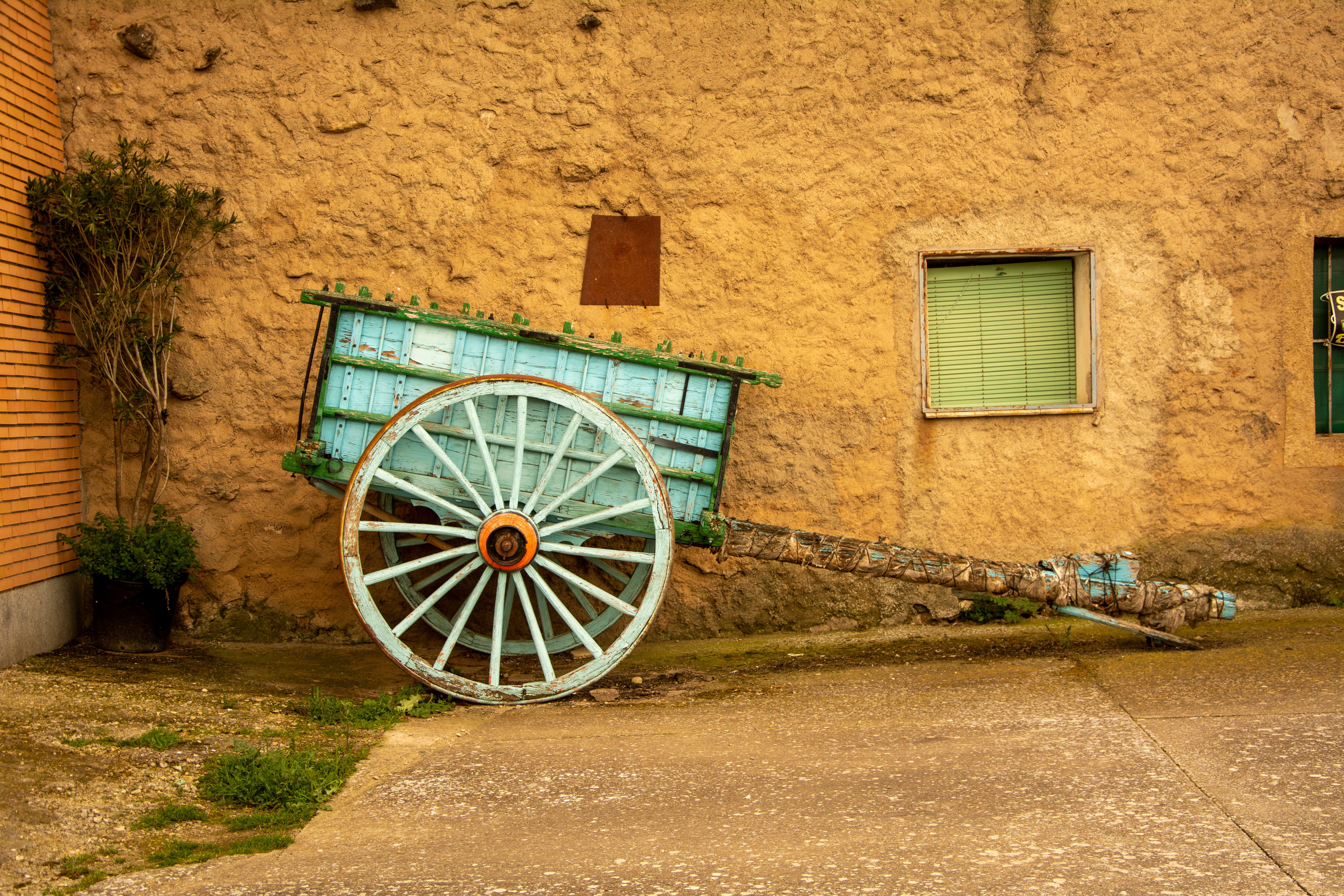
- Costa Rican oxcarts began as essential transport tools. Carretas moved coffee beans from the Central Valley to the Pacific coast in the mid-19th century, with journeys lasting up to 15 days.
- Decorative painting transformed the carreta into an art form. By 1915, elaborate geometric, floral, and landscape designs covered entire wheels, often signaling a family's regional origin or social status.

Welcome to United Tribes
Where Costa Rican Culture Comes Alive
Join Your Tribe
Connect with your people
Discover Events
Watch parties & festivals
Find Costa Rican Businesses
Restaurants, markets & more
Earn Crown Credits
Get rewarded for engaging
- Sarchí is the undisputed home of oxcart craftsmanship. This Alajuela Province town hosts workshops, factories, and a landmark oxcart monument, earning it the title "Cradle of Costa Rican Crafts."
- UNESCO recognized the carreta as Intangible Cultural Heritage in 2005. The tradition, including the associated boyeo oxherding practice, received this designation after Costa Rica declared it a National Labor Symbol in 1988.
- The Desfile de Boyeros keeps the living tradition visible. Held on the second Sunday of March, this Oxherder Parade is now legally recognized as Costa Rica's National Day of the Oxcart and Oxherding.
Few objects in Costa Rican culture carry as much meaning as the humble oxcart. What began as an agricultural workhorse evolved over generations into a moving canvas—hand-painted with geometric brilliance, passed down through family workshops, and ultimately recognized worldwide as irreplaceable human heritage.
What made the Costa Rican oxcart a national cultural symbol?
The Costa Rican oxcart, known as the carreta, became a national cultural symbol because it was inseparable from the country's economic survival, family identity, and artistic expression for nearly a century. Born from the need to transport coffee across treacherous mountain terrain, the carreta grew into a painted tradition so distinctive that it earned both national designation and UNESCO recognition as Intangible Cultural Heritage.
The story begins in the mid-19th century, when Costa Rica's coffee economy was booming, but its geography was unforgiving. Growers in the Central Valley needed to move their harvests over mountain ranges to reach the Pacific port of Puntarenas — a journey that could take ten to fifteen days by road. The carreta was the solution. Early designs featured spokeless wheels, a practical hybrid of indigenous disc construction and Spanish-introduced spoked-wheel engineering, built to push through muddy highland trails without getting stuck.
Initially, these carts were pulled by human labor. As loads grew heavier during the coffee expansion of the 1840s, oxen took over as the primary pulling force, with the transition occurring roughly between 1844 and 1846. For the next ninety years, the carreta was not merely a farm vehicle; it served families as daily transport, as an ambulance when roads offered no other options, and even as a funeral car. The golden age of the oxcart stretched from approximately 1850 to 1935, a period when the carreta touched nearly every aspect of rural Costa Rican life.
The Art of Painting and What Each Design Meant
Decorative painting on carretas in Costa Rica began in the early 20th century and quickly became a language of identity. Around 1903, painters started adding color to the wheels. By 1915, complete wheel faces bore fully developed painted designs — and the particular patterns a family used could communicate where they were from and what standing they held in the community.
The craft was entirely freehand. Artisans worked without stencils or mechanical guides, producing vibrant compositions from memory and tradition. Common design elements included:
- Bold geometric shapes arranged in repeating circular patterns
- Floral borders framing wheel spokes and cart panels
- Miniature landscapes embedded within larger compositions
- Regional motifs specific to a family's home province
Beyond the visual, the carreta had an auditory signature. Metal rings attached near the hub would strike the hubnut as the wheel turned, producing a distinct chime that locals could identify from a distance. Each cart, in a sense, made its own song — a sound familiar enough that community members could recognize a specific family's cart by ear alone.
This combination of visual artistry and sonic identity elevated the carreta from a utility vehicle into a personal and communal statement. Painting knowledge traveled through generations inside family workshops, with children learning technique by watching and eventually taking over from parents. The tradition was never centralized — it spread organically across regions, producing subtle regional variations that made each carreta genuinely unique.
Sarchí: The Cradle of Costa Rican Crafts
Sarchí, a town in Alajuela Province northwest of San José, is the living heart of Sarchí crafts and oxcart production in Costa Rica. The town earned the title "Cradle of Costa Rican Crafts" through generations of artisan families who built their livelihoods around the carreta tradition.
|
Feature |
Detail |
|
Location |
Alajuela Province, northwest of San José |
|
Nickname |
Cradle of Costa Rican Crafts |
|
Key Attractions |
Workshops, factories, central park monument |
|
Signature Product |
Elaborately painted oxcarts and yokes |
|
Monument |
Large painted oxcart and yoke in the central park |
Walking through Sarchí today means passing workshops where artisans still paint freehand, often using the same geometric vocabularies their grandparents mastered. Factories alongside family studios produce carretas at various scales — from full-sized functional carts to decorative miniatures sold as cultural keepsakes. The town's central park features an oversized painted oxcart and yoke monument. This landmark has become a symbol of Sarchí's identity as much as Costa Rica's broader cultural traditions.
For Costa Rican diaspora communities in the United States, a painted oxcart or a miniature carreta brought back from Sarchí often holds a place of pride in the home—a tangible connection to a heritage that spans generations and crosses oceans.
UNESCO Recognition and the National Labor Symbol
The carreta's formal cultural standing was cemented in two landmark decisions. In 1988, the Costa Rican government declared the painted oxcart the country's National Labor Symbol — an acknowledgment that the carreta represented the dignity of agricultural work and the ingenuity of Costa Rican craftsmanship.
Then, in 2005, UNESCO inscribed the tradition of painted oxcarts and the associated boyeo oxherding practice on its Intangible Cultural Heritage of Humanity list. This inscription did more than honor a craft—it obligated both the Costa Rican government and local communities to actively safeguard the knowledge, techniques, and social practices surrounding the carreta for future generations.
The boyeo tradition—the specific skills and culture surrounding the guidance of oxen—was included in the recognition because the carreta cannot be separated from the living relationship between the oxherder and the animal. UNESCO's designation treated the tradition holistically, protecting the art, the craft, and the human practice together as an inseparable whole.
Preserving the Tradition Through Community Celebrations
Living traditions survive through public practice, and Costa Rica's herding traditions stay vibrant through annual community events. The most significant is the Desfile de Boyeros — the Oxherder Parade — held on the second Sunday of March each year.
In 2022, Costa Rica formalized this celebration through Law 10204, establishing the second Sunday of March as the National Day of the Oxcart and Oxherding. The Desfile de Boyeros brings together oxherders, artisans, families, and spectators in a procession that is part agricultural heritage display and part community reunion. Decorated carretas pulled by trained oxen move through streets lined with onlookers, many of whom have family connections to the boyeo tradition stretching back multiple generations.
Beyond the parade, communities maintain the tradition through workshops where younger generations learn freehand painting techniques, carving skills, and the basics of working with oxen. Cultural organizations collaborate with artisan families to document regional design variations before they fade. Schools in regions with strong carreta traditions incorporate the craft into cultural education programs, ensuring children grow up understanding the significance of what their ancestors built wheel by wheel.
Carrying the Carreta Tradition Into the Future
The Costa Rican oxcart traces an extraordinary arc — from mud-caked mountain trails carrying coffee sacks to museum collections and UNESCO lists carrying cultural memory. What the carreta represents is not simply a beautiful object but a complete world: the labor of oxherders, the patience of freehand painters, the economics of a coffee nation, and the pride of families who signed their carts with color and sound. Sarchí remains its beating heart, but the tradition lives wherever Costa Rican communities gather, celebrate, and remember.
For the Costa Rican diaspora in the United States, the carreta holds particular resonance. Bringing a painted miniature back from a family visit, watching a Desfile de Boyeros video with children born in America, or hanging a carreta-inspired print in a home — these are quiet acts of cultural continuity that matter enormously. Preserving the knowledge of what the carreta meant, why it was painted, and how each design carried meaning is part of how identity survives across generations and borders.
Connecting with Costa Rican artisans, businesses, and community spaces near you is easier than ever — explore the Costa Rican community on United Tribes to discover cultural businesses and events that bring the richness of this tradition closer to home.
Frequently Asked Questions
How long did a typical oxcart journey take in 19th-century Costa Rica?
A typical journey from the Central Valley coffee farms to the Pacific port of Puntarenas took between ten and fifteen days by oxcart. The routes crossed mountainous terrain, and the spokeless wheel design was specifically engineered to handle muddy highland conditions without the cart becoming stuck.
What materials were traditionally used to build a Costa Rican carreta?
Traditional carretas were built primarily from hardwoods native to Costa Rica, chosen for their durability under heavy loads and wet conditions. The wheels incorporated metal rings near the hub that produced a distinctive chime as the cart rolled, and later models were decorated with oil-based paints applied entirely freehand by trained artisan families.
Why did oxcart designs vary from region to region in Costa Rica?
Oxcart painting was never standardized or taught through a central institution—knowledge passed through individual family workshops —so each region developed its own preferred motifs and color combinations. These regional variations allowed communities and sometimes individual families to be identified by their cart's specific design, functioning almost like a visual signature.
Are full-sized painted oxcarts still made and used in Costa Rica today?
Yes, full-sized painted carretas are still produced in Sarchí and other artisan centers, though they now serve ceremonial and decorative purposes far more often than agricultural ones. They appear prominently in parades like the Desfile de Boyeros and are sought by collectors and institutions. Miniature versions are also widely produced as cultural keepsakes and gifts.
How can someone in the United States experience or purchase authentic Costa Rican oxcart crafts?
Authentic painted oxcart crafts, ranging from miniature decorative carretas to hand-painted panels, are available through Costa Rican artisan networks and cultural festivals held in U.S. cities with Costa Rican diaspora communities. Sarchí workshops sometimes ship internationally, and Costa Rican cultural organizations in cities like Miami, Los Angeles, and New York occasionally feature artisans at community events.
What is the boyeo tradition and why was it included in the UNESCO designation?
Boyeo refers to the practice and culture of oxherding — the specific skills, knowledge, and relationship between an oxherder and the trained oxen used to pull the carreta. UNESCO included it alongside the painted oxcart in the 2005 Intangible Cultural Heritage inscription because the two traditions are inseparable: the craft of building and painting the cart cannot be fully understood without the living practice of the people who worked alongside the animals that pulled it.
Find your community: Costa Rican businesses near you on United Tribes.
Make United Tribes Your Preferred Source
Add United Tribes on Google to get the latest stories, cultural updates, and community events directly in your Google Search and Top Stories.