
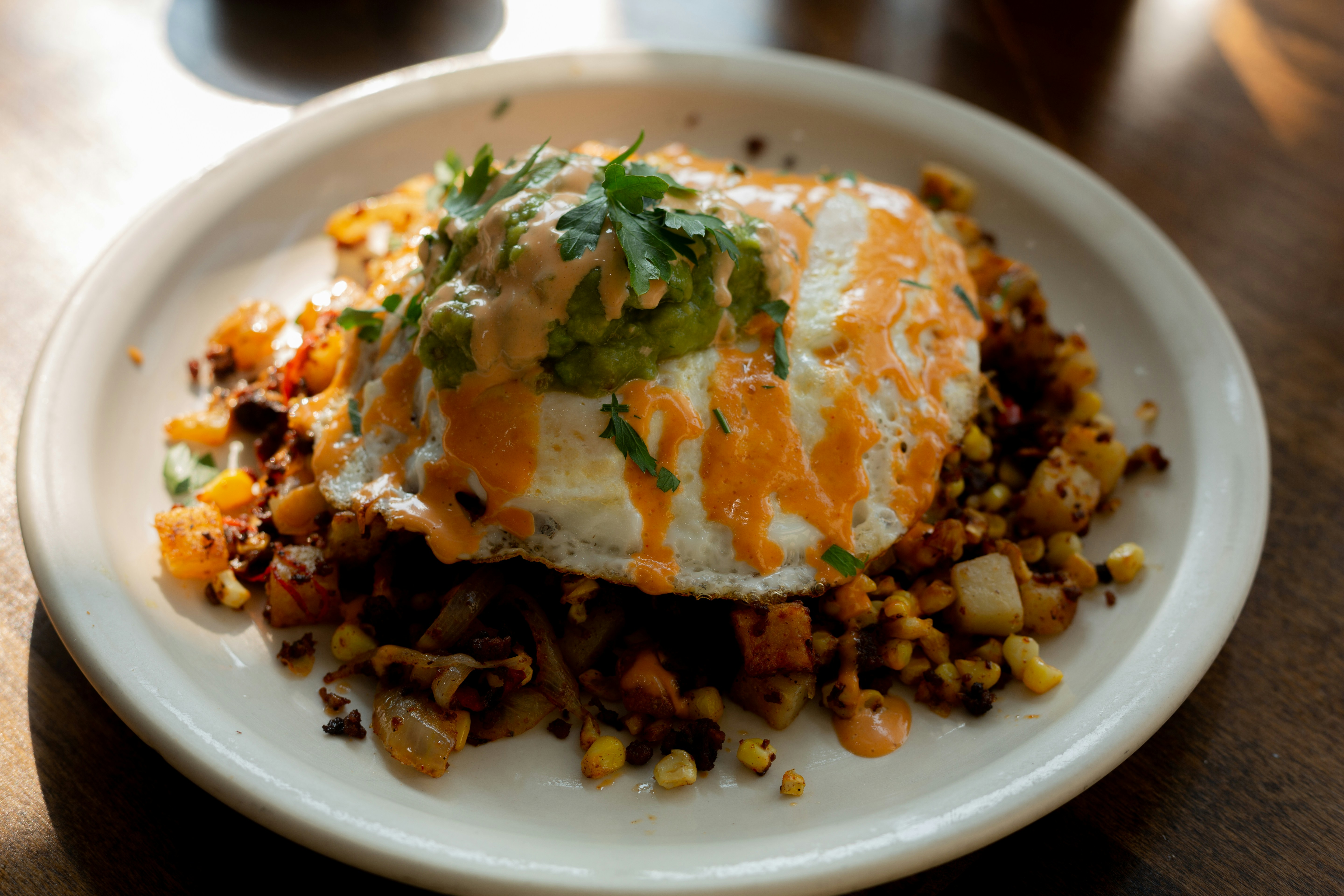


American cuisine has never been more dynamic, diverse, or deliciously complex than it is today. As we navigate 2026, the culinary landscape of the United States continues to transform, driven by innovative fusion cuisine and the enduring strength of traditional cooking methods passed down through generations of immigrant communities.
The story of American cuisine in 2026 is fundamentally one of cultural exchange and creative adaptation. From food trucks serving Korean-Mexican tacos to high-end restaurants offering Vietnamese-Southern comfort food mashups, the boundaries between traditional ethnic cuisines and American culinary identity continue to blur in exciting ways. This transformation isn't just happening in major metropolitan areas; it's spreading across suburban strip malls, small-town diners, and family kitchen tables throughout the country.
The Multicultural Foundation of Modern American Food
The foundation of contemporary American cuisine rests firmly on the diverse immigrant communities that have called the United States home for generations. Each wave of immigration has contributed distinct flavors, techniques, and food traditions that have gradually woven themselves into the broader American culinary consciousness. Today's fusion food movement builds upon this rich multicultural heritage, creating new dishes that honor ancestral traditions while appealing to evolving American palates.
Latin American influences have particularly shaped modern American dining, with Latin cuisine in the U.S. becoming increasingly evident in mainstream restaurants and home cooking. The popularity of ingredients such as cilantro, lime, jalapeños, and various chili peppers has extended far beyond traditional Mexican restaurants, appearing in everything from gourmet burgers to artisanal pizza toppings.
Meanwhile, Mexico's diverse culinary traditions continue to expand American understanding of authentic regional Mexican cooking, moving beyond the Tex-Mex interpretations that dominated previous decades. Regional specialties from Oaxaca, Yucatan, and Puebla are finding their way into American kitchens, bringing complex mole sauces, unique cooking techniques, and indigenous ingredients to the forefront of the fusion food movement.
Asian communities have similarly transformed American dining habits, with comfort foods from their traditions gaining wider recognition and adaptation. The umami-rich flavors of Filipino cuisine, with dishes such as adobo and lumpia, are increasingly featured in fusion concepts that blend Southeast Asian techniques with American ingredients and presentation styles.
The complexity extends to South Asian influences as well, where Indian street food culture has inspired American food entrepreneurs to create fusion dishes that incorporate Indian spices and cooking methods into familiar American formats like burgers, wraps, and bowls.
Current Fusion Food Trends Reshaping the American Palate
Plant-Forward Fusion Concepts
U.S. food trends in 2026 indicate a significant shift toward plant-forward fusion cuisine, drawing inspiration from vegetarian traditions across cultures. Indian dal preparations are being reimagined as protein-rich bowl bases, while Mexican vegetable-centric dishes like elote are inspiring new approaches to American side dishes and appetizers.
Breakfast Fusion Revolution
Traditional American breakfast foods are experiencing a multicultural makeover. Filipino-inspired breakfast bowls featuring garlic rice and fried eggs are appearing alongside Korean-influenced breakfast sandwiches with kimchi and gochujang. Mexican breakfast traditions are merging with American brunch culture, creating dishes that combine familiar comfort with exciting new flavor profiles.
Comfort Food Crossovers
Fusion food in 2026 particularly excels in the comfort food category, where nostalgic American dishes meet international cooking techniques and seasonings. Mac and cheese variations now commonly feature Indian curry spices, Korean kimchi, or Mexican chorizo, creating familiar yet adventurous dining experiences that appeal to both traditionalists and culinary explorers.
Traditional Cooking Methods in Contemporary American Kitchens
While fusion concepts capture headlines, traditional cooking methods from various cultures continue to influence American cuisine profoundly. Ancient techniques like Korean fermentation, Indian spice tempering, and Mexican nixtamalization are being adopted by American home cooks and professional chefs who recognize the superior flavors and nutritional benefits these time-tested methods provide.
Fermentation techniques from various Asian cultures have become particularly popular, with American households increasingly making their own kimchi, kombucha, and fermented hot sauces. These traditional preservation methods not only add complex flavors but also align with growing health consciousness among American consumers.
The slow-cooking traditions found in many Latin American cultures have influenced American approaches to meal preparation, with more families embracing longer cooking times and more complex spice blending to achieve deeper, more satisfying flavors in everyday dishes.
Regional American Fusion Movements
West Coast Innovation
The West Coast continues to lead U.S. food trends, thanks to its access to diverse immigrant communities and high-quality local ingredients. California's fusion scene particularly excels at combining Mexican and Asian influences with locally sourced produce, creating dishes that feel both internationally inspired and distinctly Californian.
Southern Fusion Evolution
The American South has embraced fusion concepts that honor its traditional cooking methods while incorporating international flavors. Korean fried chicken techniques are being applied to traditional Southern recipes, while Indian spice blends are enhancing classic Southern vegetable preparations.
Midwest Comfort Fusion
The Midwest's contribution to the evolution of American cuisine centers on comfort-food fusion that makes international flavors accessible to more conservative palates. Dishes such as Korean barbecue pizza and Mexican-inspired hotdish exemplify this region's approach to gradual culinary evolution.
Technology and Social Media's Role in Fusion Food Development
Social media platforms and food delivery technologies significantly accelerate the evolution of fusion cuisine in 2026. Young chefs and home cooks can instantly share fusion experiments with global audiences, creating viral food trends that can spread across the country in weeks rather than decades.
Food delivery apps have also democratized access to diverse cuisines, allowing Americans in smaller cities to experience authentic international flavors that inspire their own fusion experiments. This increased exposure to authentic ethnic cuisines provides the foundation knowledge necessary for respectful and successful fusion cooking.
Sustainability and Ethical Considerations in Fusion Cuisine
The evolution of modern American cuisine increasingly considers sustainability and cultural sensitivity in fusion food development. Chefs and food entrepreneurs are increasingly conscious of appropriately crediting the cultural origins of their fusion concepts while ensuring that their interpretations respect rather than exploit traditional cooking methods and ingredients.
U.S. food trends in 2026 also emphasize local sourcing and the seasonal adaptation of international dishes, creating fusion concepts that are both culturally inspired and environmentally responsible. This approach helps maintain the authenticity of traditional flavors while supporting local agricultural communities.
Embracing America's Culinary Future
The evolution of American cuisine in 2026 represents a remarkable synthesis of global traditions and local innovation, demonstrating how fusion food trends can honor cultural heritage while creating exciting new culinary experiences. This ongoing transformation reflects the dynamic nature of American identity itself: constantly evolving, endlessly creative, and deeply rooted in the diverse communities that constitute the United States.
As U.S. food trends continue to embrace both innovation and tradition, the future of American dining promises even greater diversity and sophistication. The fusion food movement of 2026 shows that the best American cuisine emerges when different cultural traditions meet with mutual respect, creative enthusiasm, and a shared commitment to delicious food that brings people together.
Visit United Tribes today and learn more about multicultural communities and their significant contributions to America's evolving culinary landscape.


